First Impressions
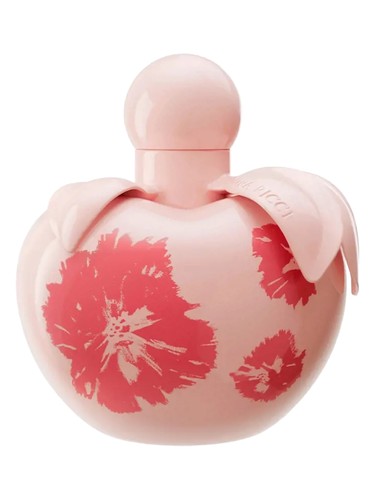
The first spritz of Nina Fleur feels like biting into a perfectly chilled Granny Smith apple while standing in an Italian lemon grove. There''s an immediate brightness here—almost crystalline in its clarity—that stops just short of astringent. This is Nina Ricci''s answer to those who found the original Nina too sweet, too cloying, too much. Where its predecessor leaned into candy-like indulgence, Nina Fleur strips away the excess and reaches for the sky. The opening is unapologetically citrus-forward, a 100% commitment to freshness that announces itself without hesitation. Within seconds, there''s a whisper of something floral beginning to stir beneath that fruit-and-citrus canopy, a promise that this isn''t merely a one-note composition.
The Scent Profile
Nina Fleur''s architecture reveals itself in waves, each more nuanced than the last. The top notes deliver exactly what they promise: Granny Smith apple provides that characteristic green tartness—not the artificial candy apple of mainstream fruity florals, but something closer to the real thing, complete with the faint bitterness of apple skin. Italian lemon weaves through it, adding a Mediterranean brightness that feels more refined than generic citrus blasts. Together, they create an opening that registers as both citrus and fruity (36% according to community votes), with a distinct green edge (29%) that keeps it from veering into sugary territory.
The heart is where Nina Fleur earns its name. Orange blossom and neroli—essentially two perspectives on the same bitter orange tree—create a white floral core that accounts for the fragrance''s strong 87% white floral accord rating. This isn''t the heady, narcotic white floral of vintage perfumes; it''s sheer, almost translucent. The orange blossom lends a soft, slightly soapy cleanliness, while neroli contributes its characteristic petally bitterness. The transition from top to heart is seamless, as both phases share citrus DNA. The apple recedes but never fully disappears, creating a through-line that keeps the composition grounded in that initial freshness.
The base notes—white musk and cedar—function more as supporting players than stars. The white musk (30% accord) provides a soft, skin-like quality that gives Nina Fleur its wearability without adding weight. The cedar is subtle, a barely-there whisper of woodiness that appears more as texture than distinct smell. This restraint in the base is deliberate: Nina Fleur isn''t trying to transform into something else as it dries down. It remains committed to its bright, clean vision throughout its wear time, though inevitably becoming softer and closer to the skin as hours pass.
Character & Occasion
The community has spoken decisively on this point: Nina Fleur is a daytime fragrance through and through (100% day wear), with minimal crossover to evening occasions (18% night wear). This isn''t a criticism—it''s simply the nature of its transparent, sunlit character. The fragrance truly comes alive in spring and summer, where it received identical 89% seasonality ratings. There''s something perfectly calibrated about wearing this when the weather matches its mood: warm enough to amplify the citrus and florals, but not so hot that the freshness feels out of step with reality.
Fall and winter are different stories (28% and 15% respectively). Nina Fleur simply doesn''t have the warmth or depth to stand up to cold weather. It would feel out of place under a wool coat, like wearing linen to a November dinner party.
This is quintessentially daytime territory: office meetings, weekend brunches, farmers market runs, first dates at outdoor cafes. It''s appropriate without being boring, feminine without being cloying, noticeable without being aggressive. The target wearer? Someone who wants to smell polished and put-together but has no interest in making a dramatic entrance.
Community Verdict
With a 3.67 rating from 365 votes, Nina Fleur sits firmly in "very good, not great" territory. This is a respectable score that suggests broad appeal without passionate devotion. The fragrance doesn''t seem to inspire extreme reactions in either direction—no one''s declaring it their signature scent, but equally, few seem disappointed. It delivers competently on its promise: a fresh, citrus-dominant fragrance with white floral softness. The vote count itself (365) suggests moderate interest rather than blockbuster status, which tracks for a 2022 release from a heritage brand working in the competitive fresh-floral category.
How It Compares
Nina Ricci positions Nina Fleur within a constellation of similar fragrances, most notably its own Nina Rose. The comparison to Dolce & Gabbana''s Light Blue is particularly apt—both occupy that breezy, Mediterranean, effortlessly-feminine space. Pure Poison by Dior shares the white floral core, though it skews richer and more substantial. Libre by Yves Saint Laurent appears in the comparison set likely for its lavender-orange blossom combination, though Libre is far more assertive.
Where Nina Fleur distinguishes itself is in that opening apple note, which provides a recognizable signature that the others lack. It''s greener than Light Blue, lighter than Pure Poison, and more straightforwardly pretty than Libre''s gender-blurring lavender intensity.
The Bottom Line
Nina Fleur is a fragrance that knows exactly what it wants to be: a bright, uncomplicated breath of spring air in a bottle. Its 3.67 rating reflects not mediocrity but rather the challenges of standing out in an oversaturated category. This is skillfully blended, pleasant, and highly wearable—qualities that matter more in daily life than they do in generating online hype.
Should you try it? Yes, if you''re looking for a reliable warm-weather fragrance that won''t challenge or surprise but will make you smell clean, fresh, and vaguely expensive. If your collection lacks a good citrus-white floral for daytime spring and summer wear, Nina Fleur fills that gap admirably. However, if you''re seeking depth, complexity, or something that evolves dramatically throughout the day, look elsewhere. This is Nina Ricci playing it safe—and sometimes, particularly on a perfect May morning, safe is exactly what you need.
AI-generated editorial review