First Impressions
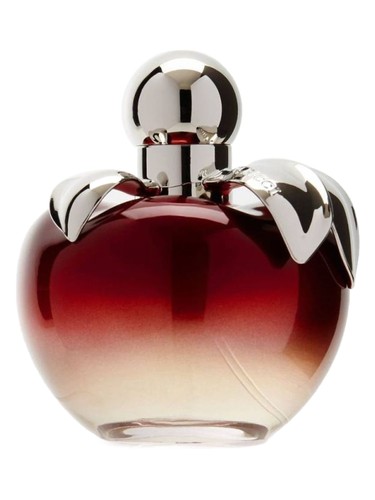
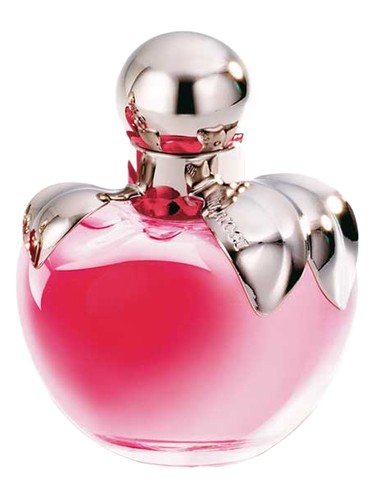
The moment Nina touches skin, it announces itself with an effervescent burst of citrus that feels like biting into a sun-warmed lemon while standing in an Italian orchard. The Amalfi lemon and lime opening is bright, unapologetically cheerful, and immediately recognizable—this is not a fragrance that whispers. It sparkles. The iconic apple-shaped bottle with its whimsical red cap hints at what''s to come: a scent built around the fantasy of crisp, dewy fruit, sugar-dusted and irresistible. Within seconds, the sweetness begins to emerge, like watching someone drizzle caramel over tart green apples at a county fair. Nina Ricci created something in 2006 that defied subtlety in favor of pure, unadulterated charm.
The Scent Profile
Nina''s evolution is a study in contrasts—tartness and sweetness locked in a playful dance that never quite settles into predictability. Those opening notes of Amalfi lemon and lime provide a zesty, mouth-watering introduction that dominates the first fifteen minutes. The citrus accord registers at full intensity, creating an impression that''s simultaneously fresh and slightly candied, like lemon drops rather than actual citrus fruit.
As the fragrance settles, the heart reveals Nina''s true personality: Granny Smith apple takes center stage, tart and crisp, but immediately softened by praline''s buttery sweetness. This is where the 94% sweet accord makes its presence unmistakable. The apple note isn''t photorealistic—it''s idealized, almost cartoon-like in its perfection, reminiscent of candy apples and fruit-scented shampoos from childhood. Peony adds a soft floral cushion that prevents the composition from becoming a pure fruit cocktail, while datura contributes an unexpected creamy narcotic edge that most wearers probably don''t consciously identify but certainly feel.
The base brings much-needed grounding to all that exuberant sweetness. Apple tree wood (distinct from the fruit itself) provides a green, slightly tannic quality, while Virginia cedar adds pencil-shaving dryness and musk contributes skin-like warmth. These woody elements (accounting for 61% of the accord profile) anchor what could otherwise float away into pure confection. The result is a fragrance that maintains its fresh, fruity character for hours while developing a subtle warmth that makes it more complex than initial impressions suggest.
Character & Occasion
Nina is unambiguously a daytime fragrance—the data shows 100% day wear suitability versus just 25% for evening, and one spray makes it clear why. This is springtime bottled (81% spring suitability), perfectly suited for those bright, possibility-filled days when winter finally breaks. Summer claims 53% suitability, though the sweetness might feel cloying in serious heat. Fall and winter register lower at 42% and 39% respectively—this isn''t a fragrance that thrives in cold weather or cozy sweater season.
The distinctly feminine character makes it ideal for women who enjoy traditionally "girly" scents without apology. This isn''t trying to be sophisticated, mysterious, or androgynous. It''s playful, youthful, and unabashedly sweet. Think brunch with friends, spring picnics, casual daytime dates, or any occasion where you want to project approachability and warmth rather than power or mystery. The 92% fresh accord keeps it from feeling too heavy for professional settings, though more conservative offices might find it a touch too sweet and attention-grabbing.
Community Verdict
The Reddit fragrance community has spoken, and the verdict leans positive with a 7.8/10 sentiment score based on 33 opinions. The standout praise? Nina attracts compliments—consistently and frequently. Multiple users report that this is one of those fragrances that makes strangers ask "what are you wearing?" It reads as distinctly feminine and elegant (despite its playful character), and users appreciate its longevity and performance, noting it lasts throughout the workday without needing reapplication.
The criticisms are equally telling. Several community members note that Nina may feel dated by modern standards—it''s firmly rooted in the gourmand-fruity aesthetic that dominated the mid-2000s. The sweetness that some find charming, others consider excessive or juvenile. There''s also acknowledgment that this fragrance won''t appeal to anyone seeking unisex, minimalist, or sophisticated-sexy scents. The community recommends it specifically for date nights, special occasions when you want to feel feminine and elegant, and situations where creating a memorable impression matters more than blending in.
How It Compares
Nina sits comfortably among other accessible, crowd-pleasing feminine fragrances. Light Blue by Dolce&Gabbana shares the citrus-fresh opening but skews more aquatic and less sweet. Chance Eau Tendre by Chanel offers similar fruity-floral territory with more refinement and polish. Amor Amor by Cacharel leans into the sweetness even more aggressively, while J''adore by Dior and Bright Crystal by Versace represent the more elegant, floral end of the spectrum. Nina distinguishes itself with that specific apple-praline combination—it''s sweeter than Light Blue, more approachable than J''adore, and more citrus-forward than Amor Amor.
The Bottom Line
With a solid 3.85 out of 5 rating from over 15,000 votes, Nina occupies comfortable middle ground—widely liked without being universally beloved. This isn''t a challenging fragrance, and that''s precisely its strength. It delivers exactly what it promises: a sparkling, sweet, unmistakably feminine scent that turns heads and collects compliments.
Who should try Nina? Women who love fruity-sweet fragrances without apology. Those seeking a feel-good scent for spring and summer days. Anyone who wants a fragrance that makes an impression and doesn''t mind that impression being "sweet and approachable" rather than "mysterious and complex." If you gravitate toward gourmands, enjoy receiving compliments, and appreciate fragrances that project optimism and charm, Nina deserves a place on your testing list.
Who should skip it? Those seeking sophistication, subtlety, or anything remotely unisex. If you''re allergic to sweetness or prefer minimalist, skin-like scents, Nina will feel like too much. And if you''re hoping to stay ahead of trends, this fragrance carries its 2006 origins proudly—for better or worse.
Nearly two decades after launch, Nina remains relevant because it never pretended to be anything other than what it is: a joyful, feminine, slightly indulgent fantasy captured in that iconic apple bottle. Sometimes, that''s exactly what you need.
AI-generated editorial review