First Impressions
The first spray of Nina Ricci''s 1987 Nina feels like stepping into a sunlit Parisian apartment where someone has just arranged fresh mimosa branches in crystal vases. There''s an immediate whoosh of aldehydes—not the soapy, austere kind, but something softer, more golden. They lift the opening into an almost shimmering state, where green basil mingles unexpectedly with the fuzzy warmth of mimosa and the gentle sweetness of peach. This is a fragrance that announces itself with confidence but never shouts. Instead, it murmurs in that distinctly late-80s register: polished, composed, unapologetically feminine in the classical sense.
What strikes you immediately is the aromatic character—scoring 99% in its dominant accords—which gives Nina an herbal brightness that sets it apart from the pure floral chypres of its era. The currant buds add a tart, almost wine-like quality, while bergamot and lemon provide citric punctuation. But it''s that mimosa, listed in both the top and heart notes, that truly defines the opening act. It''s honeyed yet green, powdery yet alive—a flower that captures spring''s contradictions perfectly.
The Scent Profile
As Nina settles into its heart, the mimosa continues its reign, now joined by a procession of classic white and yellow florals. The ylang-ylang brings a creamy, slightly banana-like richness, while jasmine and orange blossom (carried over from the opening) provide that indolic depth that great vintage fragrances wear like a badge of honor. The orris root and violet reinforce the powdery accord that dominates this composition at 100%, creating a soft-focus effect around all the other elements.
This is where Nina reveals its true complexity. The rose is present but never overwhelming, woven seamlessly into the tapestry rather than standing apart. West Indian bay adds an aromatic, slightly spicy quality that echoes the basil from the opening, maintaining that herbal through-line that makes Nina more than just another pretty floral. The iris brings a cool, almost papery texture that prevents the heart from becoming too sweet or cloying.
The base is where Nina shows its late-80s pedigree most clearly. Oakmoss—that now-restricted ingredient that defined the chypre category—provides a forest floor earthiness that grounds all that powdery florality. Civet, another increasingly rare material, adds an animalic warmth that hovers just at the edge of perception, never dirty but distinctly alive. The blackcurrant syrup brings an unexpected fruity sweetness that bridges the floral heart to the woody, mossy base.
Sandalwood and vetiver provide structure, while patchouli adds its characteristic earthiness. Musk and more iris carry through from the heart, ensuring the powdery character persists to the very end. This is a fragrance that evolves slowly and gracefully, revealing new facets over hours rather than minutes.
Character & Occasion
Nina''s community data tells a clear story: this is a spring fragrance first and foremost, scoring 95% for that season. It makes perfect sense. Everything about Nina speaks to renewal, to gardens coming back to life, to that particular quality of light when winter finally breaks. Fall comes in second at 70%, which tracks—there''s enough woody depth and aromatic complexity here to handle cooler weather, especially on those bright autumn days when the air is crisp but the sun still warms.
This is decidedly a daytime scent, scoring 100% for day wear versus just 44% for night. Nina has that polished, put-together quality that suits professional settings, lunch appointments, museum visits, morning meetings. It''s the fragrance equivalent of a well-cut blazer and silk scarf—timeless, appropriate, but never boring.
The powdery, aromatic character makes this most appealing to those who appreciate vintage-style compositions but want something slightly less formal than Chanel No. 5, slightly more herbal than pure floral bombs. It''s for someone who understands that sophistication doesn''t require loudness.
Community Verdict
With a rating of 4.24 out of 5 from 755 votes, Nina has earned genuine admiration from those who''ve sought it out. That''s a strong rating, especially for a fragrance that''s been largely overshadowed by the brand''s later, more commercial releases. These numbers suggest a small but devoted following—people who''ve discovered this forgotten gem and recognized its quality.
The substantial vote count indicates this isn''t just a curiosity piece but a fragrance that continues to resonate with those who appreciate classic French perfumery. That rating places it firmly in "excellent" territory, suggesting that despite its relative obscurity, Nina delivers on its promises.
How It Compares
The comparison fragrances tell you everything about Nina''s pedigree. Being mentioned alongside Chanel No. 5, Miss Dior, First by Van Cleef & Arpels, and Knowing by Estée Lauder positions Nina squarely in the classic French perfume tradition. Like Fidji by Guy Laroche, Nina balances green and floral elements with a strong aromatic backbone. It shares First''s sophisticated powderiness and Miss Dior''s chypre structure, but the prominent mimosa and aromatic herbs give it a lighter, more spring-like character than these often-heavier references.
Where Nina distinguishes itself is in that aromatic quality—the basil, the bay, the green notes that prevent it from being purely nostalgic. It''s a bridge between the aldehydic florals of the 60s and 70s and the fresher compositions that would dominate the 90s.
The Bottom Line
Nina Ricci''s 1987 Nina represents classic French perfumery at a fascinating crossroads—still rooted in the great chypre and floral aldehyde traditions but beginning to incorporate the lighter, more aromatic touches that would define the next decade. With its dominant powdery and aromatic character, backed by woody depth and green freshness, it offers complexity that rewards patient wearing.
The 4.24 rating from a dedicated community of 755 voters suggests this is far more than a nostalgic curiosity—it''s a genuinely excellent fragrance that''s been unjustly overshadowed. If you appreciate vintage-style compositions but find pure aldehydic florals too formal or heavy, Nina might be your perfect spring companion. It''s sophisticated without being stuffy, complex without being challenging, distinctly feminine without being cloying.
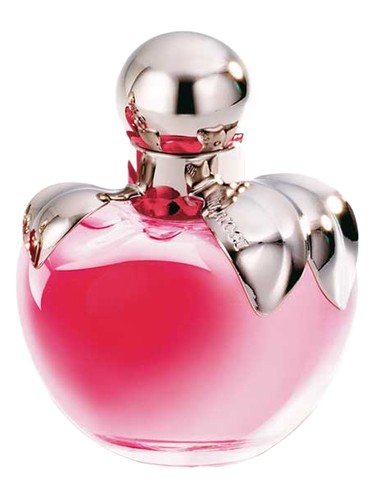
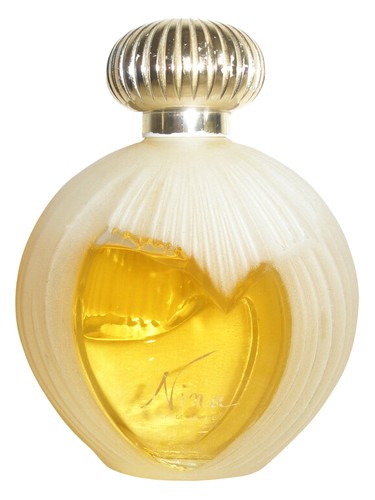
Finding it may require some hunting through vintage channels, but for lovers of mimosa, well-crafted powdery fragrances, or anyone curious about what Nina Ricci created before the apple-shaped bottle took over, this is absolutely worth seeking out. Just don''t expect it to scream for attention—Nina is too well-bred for that.
AI-generated editorial review