First Impressions
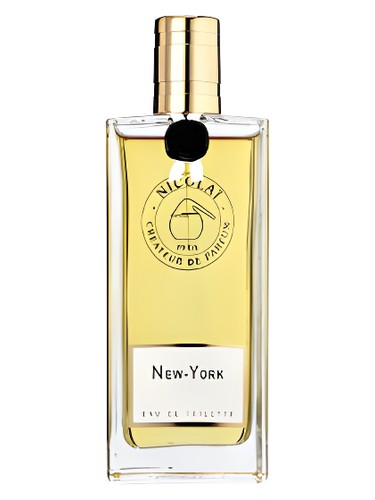
The first spray of New York delivers something wholly unexpected from a fragrance bearing such an emphatically urban name. Instead of concrete and taxi exhaust, you''re met with a burst of Amalfi lemon so bright it could illuminate a SoHo gallery, backed by bergamot and the green-grey whisper of artemisia. Thyme adds an herbal sharpness that feels more Mediterranean hillside than Midtown Manhattan. This is Patricia de Nicolaï''s vision of New York circa 1989, and it''s immediately clear she wasn''t interested in literalism. What emerges is something far more intriguing: a classically structured masculine fragrance that speaks the language of pre-war elegance rather than Wall Street power moves.
The Scent Profile
New York opens with an assertive citrus accord—the data shows it at 100%, and your nose confirms it immediately. The Amalfi lemon and bergamot combination creates that perfect brightness that characterized quality men''s fragrances before aquatics dominated the masculine landscape. But this isn''t just squeezed citrus; the artemisia brings a slightly bitter, almost medicinal edge, while thyme adds complexity that prevents the opening from feeling one-dimensional.
The heart reveals New York''s true character. Lavender anchors the composition with that aromatic profile that registers at 80% in the accord breakdown, but this isn''t your grandfather''s barbershop lavender. Cinnamon and cloves weave through, creating a fresh spicy dimension (54%) that gradually warms into something more substantial. Chamomile adds an unusual softness, a gentle apple-like sweetness that tempers the spice and prevents the composition from becoming too aggressive.
Then the base arrives, and everything shifts. Vanilla provides sweetness, yes, but it''s the incense, styrax, civet, castoreum, and musk that transform New York into something almost subversive. These are animalic notes—raw, warm, slightly dirty in the best possible way. The civet and castoreum in particular give the fragrance a skin-like intimacy that feels daringly old-school. This isn''t the sanitized masculinity of modern fragrances; this is a composition from an era when men''s perfumes were allowed to be sensual, even provocative. The incense adds a resinous, almost spiritual dimension that elevates the whole affair beyond simple freshness.
Character & Occasion
The community data reveals New York as primarily a fall fragrance (96%), and this makes perfect sense once you experience the full development. That bright citrus opening might suggest summer, but the warm spice and animalic base belong to cooler weather. Spring follows closely at 83%, which tracks—those crisp mornings when you want something fresh but substantial enough to last through an unpredictable day.
Interestingly, winter comes in at 63% and summer at 59%, suggesting New York''s versatility across seasons. The fresh citrus and aromatic lavender provide enough lift for warmer months, while the incense and animalics ensure it won''t disappear in cold weather.
The day/night breakdown is telling: 100% for day wear, 58% for evening. This is fundamentally a daytime fragrance, but that animalic base gives it enough depth to transition into evening occasions. Think weekend brunches, daytime gallery openings, or casual Friday at a creative office. It''s too refined for the gym, too relaxed for black-tie affairs. The man who wears New York appreciates classic tailoring but wouldn''t be caught dead in a generic suit.
Community Verdict
With a rating of 4.19 out of 5 from 610 votes, New York has clearly found its admirers. This is a strong rating that suggests a loyal following rather than mass appeal—and that''s precisely what you''d expect from a niche house fragrance with this kind of character. Six hundred-plus voters represents a solid community assessment, enough to be meaningful without suggesting mainstream ubiquity.
The fragrance isn''t trying to please everyone, and the data confirms it doesn''t. Those who appreciate it seem to genuinely love it, while others likely find it too reference-heavy, too rooted in classical perfumery structures that can feel dated to noses trained on contemporary releases.
How It Compares
The similar fragrances list reads like a greatest-hits compilation of masculine perfumery: Eau Sauvage, Guerlain''s Vetiver, Terre d''Hermès, Habit Rouge, Pour Monsieur. These are the titans, the reference points against which all classic masculines are measured. That New York stands in this company speaks volumes about its construction and pedigree.
Like Eau Sauvage, it leads with exceptional citrus. Like Pour Monsieur, it employs classical French elegance. But where New York distinguishes itself is in that animalic base—the civet and castoreum give it a warmth and intimacy that feels closer to Habit Rouge territory than the restraint of Pour Monsieur. It''s perhaps less austere than Terre d''Hermès, more openly sensual while maintaining complete composure.
The Bottom Line
New York deserves its 4.19 rating and the respect suggested by its distinguished company of similar fragrances. This is Patricia de Nicolaï demonstrating her mastery of classical composition while her own house was still in its infancy—New York launched just two years after she founded Nicolai Parfumeur Createur in 1987.
The value proposition is solid for those who appreciate niche fragrances with genuine character. This isn''t a safe choice, and that''s precisely its appeal. The animalic notes mean it won''t suit everyone, but for those who miss when masculine fragrances had real depth and weren''t afraid of sensuality, New York offers something increasingly rare.
Who should try it? Men who own at least one fragrance from the similar scents list and wish they could find something contemporary-adjacent with that same DNA. Those who find modern masculines too clean, too safe, too focused-grouped. Anyone curious about what Patricia de Nicolaï was creating before niche perfumery became an industry unto itself. New York is a time capsule of quality perfumery, a reminder that masculine fragrances once dared to be more than just fresh and inoffensive.
AI-generated editorial review