First Impressions
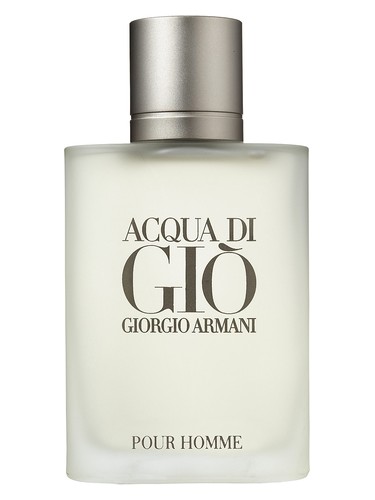
The first spray of Acqua di Gio is like diving into the Mediterranean on a sun-drenched morning—a crystalline burst of citrus that manages to smell both effervescent and weightless. Lime and bergamot lead the charge, their brightness amplified by the distinctive ozonic quality that would become this fragrance''s calling card. There''s an immediate transparency here, a sense of light refracting through water, that captures something many fragrances attempt but few achieve: the olfactory impression of freshness itself. Within seconds, that citrus symphony—lime, lemon, bergamot, orange, mandarin, and neroli working in concert—gives way to something more complex, a whisper of jasmine adding unexpected softness to what could have been merely sharp.
This is the scent that launched a thousand imitators, and even decades later, that opening remains arrestingly modern.
The Scent Profile
Acqua di Gio unfolds in layers of aquatic minimalism, each phase revealing new facets while maintaining an overall coherence that speaks to masterful blending. Those top notes—a veritable citrus orchestra featuring lime, lemon, bergamot, jasmine, orange, mandarin orange, and neroli—create an opening that''s both exhilarating and surprisingly nuanced. The jasmine, unexpected in a masculine aquatic, adds a subtle creaminess that keeps the citrus from becoming one-dimensional.
As the fragrance settles into its heart, the signature marine character emerges in full force. Sea notes and calone—that synthetic molecule that smells of ocean spray and melon rind—form the backbone of this middle phase, supported by an unusually diverse supporting cast. Rosemary adds herbal bite, while peach and freesia contribute a gentle sweetness. There''s hyacinth, cyclamen, and violet for green-floral depth, along with coriander, rose, nutmeg, and mignonette creating a complex tapestry that prevents the marine accord from feeling hollow or overly synthetic. This is where Acqua di Gio distinguishes itself: most aquatics lean heavily on calone and call it a day, but here, the marine quality feels inhabited, textured, alive.
The base provides grounding without weight. White musk and cedar form a clean, woody foundation, while oakmoss adds a whisper of classic chypre structure. Patchouli and amber round out the composition, offering just enough warmth to prevent the fragrance from feeling completely cold, though they never overshadow that essential freshness. The drydown is subtle, skin-like, the kind of scent that lingers closer to the body as the hours pass.
Character & Occasion
The data tells a clear story: this is summer in a bottle, scoring a perfect 100% for warm-weather wear, with spring coming in at a strong 69%. Fall and winter registrations—19% and 10% respectively—confirm what your nose already knows: this fragrance thrives in heat and humidity. The aromatic-marine character that feels so refreshing at 85 degrees can read thin and wan in January frost.
Daylight is its natural habitat, with 93% day wear versus just 21% night. This isn''t a fragrance that needs candlelight or cocktail attire. It''s built for movement, for open air, for casual confidence. Think weekend lunches, beach clubs, office environments where professionalism doesn''t require formality. The citrus-forward profile (scoring 100% in citrus accords, with aromatic at 51% and marine at 40%) makes it approachable, safe even, but never boring when deployed in its proper context.
While marketed as masculine, the unisex appeal is real. The floral heart notes and marine transparency make this wearable across gender lines, particularly for those who prefer fresh, clean signatures over heavy oriental or woody compositions.
Community Verdict
The r/fragrance community''s assessment, based on 52 opinions and scoring a positive 7.8 out of 10, reveals both enduring affection and modern frustrations. The fragrance''s versatility and clean character earn consistent praise—it''s genuinely suitable for multiple occasions and environments. Users report solid longevity of four-plus hours, and the compliment-getting power remains intact even in an era of oud and incense dominance.
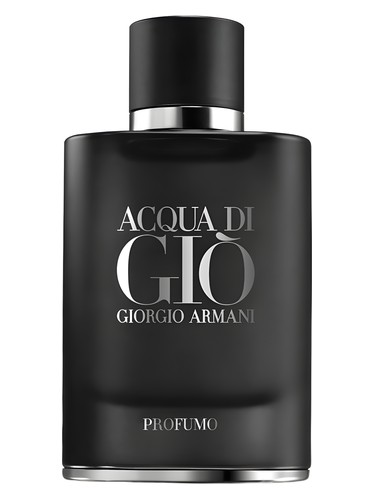
However, the elephant in the room is performance. The original formulation suffers from weak projection compared to modern reformulations, a common complaint with pre-2000s fragrances facing contemporary IFRA restrictions. This has driven many toward the flankers, particularly Absolu and Profumo, though these come with their own baggage. Some users find Absolu harsh or synthetic, a departure from the original''s smooth transparency. Profumo''s piney, incense-heavy character divides opinion—it''s a different beast entirely, appealing to those seeking more substance but alienating purists. The discontinuation of Absolu has created scarcity issues, with prices climbing beyond reasonable territory.
The 4.12 out of 5 rating from 23,714 votes positions this as genuinely well-loved, not merely historically important.
How It Compares
Acqua di Gio sits at the apex of a pyramid it essentially built. Its DNA echoes through the category-defining L''Eau d''Issey Pour Homme by Issey Miyake, which shares that crisp yuzu-aquatic structure. Versace Pour Homme and Versace Man Eau Fraiche orbit in the same fresh-marine space, though with more emphasis on aromatic herbs and citrus transparency respectively. Chanel''s entries—Allure Homme Sport and Bleu de Chanel—represent the evolution of the aquatic-fresh category into more sophisticated, complex territory, offering greater depth and versatility at a premium price point.
Where Acqua di Gio stands apart is in its purity of vision. It doesn''t try to be evening-appropriate or winter-friendly. It knows exactly what it is: the platonic ideal of fresh, aquatic masculinity.
The Bottom Line
Nearly three decades after its launch, Acqua di Gio remains relevant not through reinvention but through mastery of a specific idiom. Is it groundbreaking in 2024? No. Will it challenge the seasoned collector? Probably not. But for anyone seeking a reliable warm-weather signature that reads as fresh rather than dated, that works in professional and casual contexts alike, this remains an excellent choice.
The performance concerns are real—don''t expect nuclear projection or all-day longevity. Budget for reapplication or explore Profumo if you need more staying power (and don''t mind the pine-incense detour). At its typical price point, the value proposition is solid for what you''re getting: a fragrance with proven broad appeal and genuine versatility within its seasonal lane.
Who should try it? Summer minimalists. Office workers seeking safe freshness. Anyone building a foundation wardrobe who needs a reliable blue-sky fragrance. Those 23,714 voters weren''t wrong—sometimes a classic earns its status honestly.
AI-generated editorial review