First Impressions
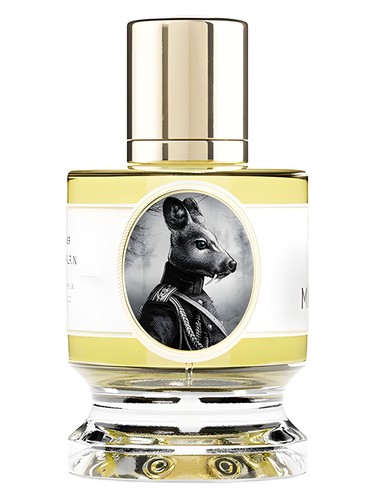
The first spray of Musk Deer delivers an immediate contradiction—warmth that somehow feels pristine, spice that whispers rather than shouts. Within seconds, cardamom''s green-sweet heat mingles with the medicinal-rooty character of calamus, while rose threads through with an unexpected sharpness. This isn''t the sweet, jammy rose of classic feminines; it''s the scent of petals crushed between fingers in a mountain clearing, slightly bitter, absolutely alive. There''s an immediate sense that Zoologist has done something unexpected here—created a fragrance that feels simultaneously ancient and utterly modern, invoking the legendary musk pod of the Himalayan deer without resorting to cliché or simple animalics.
The Scent Profile
The opening act unfolds with remarkable restraint for such a storied name. That cardamom carries a resinous quality, almost incense-like, while the calamus adds a peculiar aromatic greenness that prevents the composition from settling into conventional territory. The rose, rather than dominating, acts as a guide into deeper woods—a breadcrumb trail leading you forward.
As the heart develops, Atlas cedar emerges with its characteristic pencil-shaving dryness, immediately grounded by labdanum''s ambery warmth and patchouli''s earthy darkness. This is where Musk Deer reveals its architecture: rather than building toward sweetness, it descends into shadow. Jasmine sambac appears as a creamy whisper, its indolic potential held in check, adding just enough floral softness to prevent the woods from becoming austere. The interplay here is masterful—the cedar provides structure, the labdanum gives resinous depth, the patchouli adds soil and darkness, while jasmine ensures this remains recognizably a feminine fragrance, however unconventional.
The base is where the promise of the name finally materializes. Ambrette seed—nature''s closest analog to actual deer musk—brings that characteristic fuzzy, slightly metallic warmth that feels like sunlight on skin. Sandalwood adds creamy woodiness, while Laotian oud contributes a medicinal, slightly funky darkness that never overwhelms. Orris root, that most expensive and subtle of materials, lends a powdery-earthy refinement that ties everything together. The result reads as fundamentally musky and woody, but with extraordinary nuance—this is musk as concept rather than assault, a meditation on animality filtered through botanical proxies.
Character & Occasion
The seasonal data tells a clear story: this is a fragrance born for cooler weather. With fall registering at 100% and winter at 93%, Musk Deer thrives when temperatures drop and you''re layering cashmere and wool. The warm spicy and woody accords need that crisp air to truly sing—in summer''s heat, at only 20% preference, the composition risks becoming heavy. Spring at 47% represents the shoulder season, those transitional days when morning frost still clings to grass.
What''s particularly intriguing is the day/night versatility—77% for daytime, 71% for evening. This isn''t a fragrance that waits for nightfall to justify its existence. The powdery-woody character maintains enough restraint for professional settings, yet carries sufficient depth and mystery for dinner by candlelight. It''s the rare scent that accompanies you from morning coffee through evening cocktails without feeling out of place in either context.
While marketed as feminine, Musk Deer challenges gender boundaries with its dominant woody accord at 100%. This is for the person who finds traditional florals cloying, who wants depth and complexity over prettiness, who appreciates the irony of wearing something called "musk" that smells nothing like the department store musks of the 1980s. It''s sophisticated, somewhat intellectual, and decidedly not for those seeking easy compliments.
Community Verdict
With a rating of 3.99 out of 5 from 826 voters, Musk Deer sits in that interesting territory just shy of universal acclaim. This isn''t a crowd-pleaser in the conventional sense, and that near-four-star rating likely reflects its challenging character. Some will find it too woody, too dry, not animalic enough given the name, or perhaps too subtle for a house known for bold interpretations. But nearly 4 stars from over 800 people suggests a fragrance that rewards those who meet it on its own terms—a sophisticated, well-executed composition that delivers something genuinely different in the woody-musky category.
How It Compares
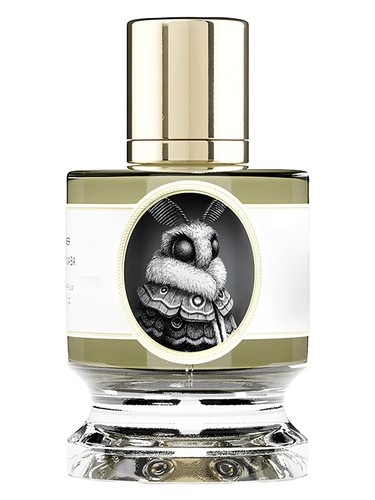
Among its Zoologist siblings, Musk Deer shares DNA with Chipmunk and Moth—other fragrances in the line that favor subtlety over spectacle. The comparison to Baccarat Rouge 540 is telling: both employ a certain translucence, a way of creating presence without density. Where BR540 achieves this through airy sweetness, Musk Deer does it through careful layering of woody-musky elements. Civet and Nightingale round out the similar fragrances, suggesting that lovers of Zoologist''s more refined, less literal animal interpretations will find common ground here.
The Bottom Line
Musk Deer succeeds by refusing easy answers. Rather than recreating the animalic punch of true deer musk (now illegal and ethically indefensible), perfumer Sébastien Brossier has created something more interesting: a woody-floral meditation on the idea of musk, executed with botanical sophistication. At just under 4 stars, it''s clearly not for everyone—and that''s precisely the point. This is a fragrance for those who appreciate restraint, who want woods with character, who understand that the best interpretations of animal scents come from creative reimagining rather than literal reproduction. For fall and winter wear, for those bored by conventional feminines, Musk Deer offers a compelling alternative that feels both timeless and thoroughly contemporary.
AI-generated editorial review