First Impressions
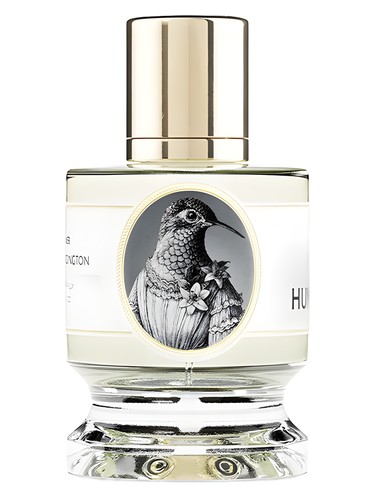
The first spray of Hummingbird delivers exactly what its name promises: movement. A kaleidoscope of fruits and florals bursts forth—pear, apple, cherry, lilac—each note hovering for a moment before darting away to make room for the next. There''s a tartness here that keeps the sweetness in check, like biting into a crisp apple still cold from the morning dew. The opening feels effervescent, almost champagne-like, with citrus brightness weaving through a garden in full bloom. This isn''t the bold, animalic storytelling Zoologist is known for; instead, Hummingbird opts for a lighter touch, a feminine whisper rather than a roar.
The Scent Profile
The top notes of Hummingbird are a crowded affair—nine distinct elements jostling for attention. Lilac and lily-of-the-valley provide the floral backbone, while cherry, pear, plum, and apple create a fruit salad effect that could easily veer into overwhelming territory. Yet somehow, it works. The rose and violet leaf add a green, slightly powdery quality that grounds the composition, while citruses provide the necessary brightness to keep everything airborne. This is the hummingbird in motion: rapid, colorful, impossible to pin down.
As the fragrance settles into its heart, the sweetness intensifies with the arrival of honey and honeysuckle. This is where Hummingbird reveals its true nature—a nectar-drunk floral that layers mimosa, ylang-ylang, peony, and tulip into a heady bouquet. The honey accord (registering at 46% in the main accords) provides a golden thread that ties everything together, while the white florals begin to emerge more prominently. It''s here that the fragrance slows its frenetic pace just slightly, hovering rather than darting.
The base is where Hummingbird makes its most surprising move: whipped cream. This gourmand element, combined with musk and coumarin, creates a soft, almost edible drydown that feels like vanilla mousse with a floral garnish. Moss and sandalwood provide some grounding, while amber and white woods add warmth without weight. The overall effect is a fragrance that maintains its sweetness (100% sweet accord) from start to finish, but with enough complexity to keep it interesting through multiple wearings.
Character & Occasion
This is unquestionably a spring fragrance—the data shows 100% spring suitability, and everything about Hummingbird''s composition confirms this. It''s the olfactory equivalent of that first warm day when gardens shake off winter''s dormancy and burst into chaotic bloom. Summer follows closely at 75%, making this an ideal warm-weather companion when heavier fragrances would wilt under the sun.
The day/night split is decisive: 89% day versus just 24% night. Hummingbird is meant for daylight hours, for brunch dates and garden parties, for office environments where you want to smell approachable rather than provocative. The community specifically highlights its suitability for warm weather wear and professional settings, where its fresh (60%) and sweet floral character won''t overwhelm.
This is marketed as a feminine fragrance, and the composition supports that positioning with its emphasis on florals, fruits, and that distinctive whipped cream base. However, those who enjoy sweeter, floral-forward fragrances regardless of gender marketing will find plenty to appreciate here.
Community Verdict
The Reddit fragrance community gives Hummingbird a positive reception, with a sentiment score of 7.8/10 across 59 opinions. This enthusiasm aligns with the broader rating of 3.95/5 from 2,135 votes—a solid, if not extraordinary, performance.
The pros are specific and telling. Reviewers praise the "light, pretty, and complex floral-fruit composition" and note that it''s "unique and interesting from Zoologist''s signature style." The tart, controlled opening with its pear, apple, and champagne-like qualities earns particular appreciation. Most evocatively, the community notes that "notes flit beautifully in and out like the namesake bird"—precisely the effect the perfumer seems to have intended.
The cons section is notably sparse. There''s limited specific negative feedback, though reviewers acknowledge needing more wear time data from the broader community and note that performance characteristics haven''t been clearly established. This isn''t damning criticism; it''s simply an acknowledgment that Hummingbird might fly under the radar compared to Zoologist''s more attention-grabbing releases.
How It Compares
Among the similar fragrances listed, the connections are somewhat surprising. Black Orchid and Tobacco Vanille by Tom Ford, along with Chergui by Serge Lutens, are considerably heavier and more intense than Hummingbird. The more relevant comparisons within the Zoologist line are Chameleon and Bee—the latter sharing that honey connection, though Bee is far richer and more animalic.
What sets Hummingbird apart in its category is that controlled sweetness. Where many fruity florals collapse into candied simplicity, this one maintains complexity through its layering and that tart opening. It''s sweet without being cloying, floral without being old-fashioned, fruity without being juvenile.
The Bottom Line
Hummingbird represents Zoologist at its most accessible—a departure from the house''s typical bold, zoological storytelling, but no less thoughtfully composed. At 3.95/5, it''s a well-liked fragrance rather than a cult favorite, which seems entirely appropriate for its character. This isn''t a fragrance that demands attention; it charms instead.
Who should try it? Anyone seeking a sophisticated spring and summer floral that offers more complexity than typical fruity-sweet fare. Those who appreciate Zoologist''s creative approach but want something office-appropriate will find this appealing. It''s ideal for warm-weather occasions where you want to smell lovely without overwhelming—garden weddings, weekend brunches, casual dates.
The main caveat is performance, which the community hasn''t fully established. Given the light, fresh character and heavy fruit-floral composition, longevity may not be exceptional. Consider this a fragrance for reapplication rather than all-day endurance.
Hummingbird may not be Zoologist''s most daring creation, but sometimes beauty doesn''t need to be bold. Sometimes it just needs to hover, sweetly and briefly, before darting away to bloom somewhere else.
AI-generated editorial review