First Impressions
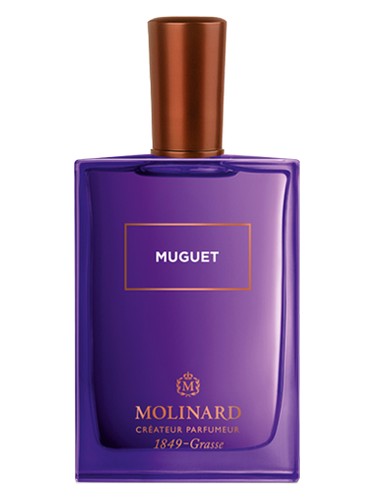
The name tells you everything and nothing at all. "Muguet"—French for lily of the valley—is perhaps perfumery''s most beloved and simultaneously most challenging flower to capture. When you first spray Molinard''s 2015 interpretation, what greets you isn''t the cloying sweetness or the heavy-handed greenness that can plague muguet fragrances. Instead, there''s an immediate brightness, a crystalline quality that feels like opening a window on the first genuinely warm day of spring. The white floral character announces itself completely (registering at a full 100% in its accord profile), but it''s tempered by an unmistakable freshness that prevents it from ever feeling overwhelming or dated.
This is a fragrance that wears its intentions openly. There''s no mystery about what Molinard set out to achieve here—this is lily of the valley presented with clarity and conviction, supported by a robust floral backdrop (79%) and that crucial fresh accord (73%) that keeps everything lifted and luminous.
The Scent Profile
Here''s where things get interesting: Molinard hasn''t disclosed the specific note breakdown for Muguet, which is either supremely confident or deliberately minimalist. What we can discern from the accord structure tells a more complete story than a laundry list of ingredients ever could.
The opening—though unnoted—must lean heavily into that fresh-green territory. At 46%, the green accord provides enough chlorophyll-rich vitality to ground the composition in something approaching botanical realism, while the 73% fresh accord keeps everything airy and wearable. This isn''t the dewy, earth-clinging muguet of a forest floor; it''s the stem in a glass vase, caught in morning light.
As the fragrance settles into its heart, the white floral dominance reveals its full character. Muguet as a note tends to be synthesized (the actual flower yields no extractable oil), and Molinard''s interpretation feels purposefully transparent rather than trying to hide its modern construction. The result reads as clean without tipping into the 16% soapy accord that lurks in the background—present enough to add that just-laundered freshness, restrained enough not to veer into detergent territory.
The base remains somewhat enigmatic given the lack of specified notes, but what emerges is a soft, slightly powdery finish with the faintest whisper of rose (12%). This isn''t a rose fragrance by any measure, but that gentle floral support adds dimensionality and prevents the composition from feeling one-note, even as it remains steadfastly true to its lily of the valley mission.
Character & Occasion
The data doesn''t lie: this is spring in a bottle, scoring a perfect 100% for the season. It''s the olfactory equivalent of May Day traditions, of tiny bouquets tied with ribbon, of gardens coming alive after months of dormancy. Summer claims a respectable 60%, which makes perfect sense—this fresh-leaning white floral has the brightness to cut through warm weather without wilting.
That it scores only 23% for fall and 17% for winter tells you everything about its character. This isn''t a fragrance that wants to cocoon you or provide olfactory warmth. It''s relentlessly optimistic, determinedly light, unapologetically delicate.
The day/night split is even more decisive: 85% day versus just 19% night. Muguet is a daylight fragrance through and through, perfect for office environments, brunch gatherings, garden parties, or any situation where you want to smell fresh, approachable, and polished without announcing your presence before you enter a room. This is a fragrance for the person who appreciates subtlety and wants something reliably lovely without drama or seduction.
Community Verdict
With 414 votes tallying to a 3.71 out of 5 rating, Muguet sits comfortably in "very good" territory without quite reaching masterpiece status. This is telling. The rating suggests a fragrance that delivers exactly what it promises—a well-executed lily of the valley soliflore—without necessarily transcending its category or offering unexpected revelations.
That relatively large voting pool indicates genuine interest and wearership. This isn''t an obscure curiosity; it''s a fragrance that people have sought out, tested, and formed opinions about. The 3.71 rating implies quality and wearability, even if it doesn''t inspire the kind of passionate devotion that pushes fragrances past the 4.0 threshold.
How It Compares
The comparison fragrances paint an interesting portrait. Pleasures by Estée Lauder makes perfect sense—both are white florals with a fresh, uncomplicated approach to beauty. Alien by Mugler seems like an outlier until you consider the shared focus on a singular floral vision, though Alien''s jasmine takes a far woodier, more ambery route.
Organza by Givenchy and Pure Poison by Dior suggest that Muguet might share a certain French elegance and white floral DNA with these more complex compositions, while Terracotta Le Parfum by Guerlain hints at shared freshness and wearability.
Where Muguet distinguishes itself is in its focused simplicity. While these comparisons often layer their white florals with oriental bases or fruity tops, Molinard keeps things refreshingly straightforward.
The Bottom Line
Muguet Eau de Parfum is a fragrance that succeeds by knowing exactly what it is. This isn''t a scent trying to reinvent the wheel or challenge conventions—it''s Molinard offering their vision of lily of the valley with modern freshness and transparent beauty. The 3.71 rating reflects a well-crafted, thoroughly wearable fragrance that probably won''t become your signature scent but might become your most-reached-for option when spring arrives.
For those who love lily of the valley, appreciate fresh white florals, or simply want something reliably lovely for daytime wear in warm weather, Muguet deserves attention. It''s particularly suited to minimalists who prefer their fragrances focused rather than complex, and to anyone seeking an alternative to heavier, more assertive white florals.
Is it groundbreaking? No. Is it perfectly pleasant, well-executed, and seasonally ideal? Absolutely. Sometimes that''s exactly enough.
AI-generated editorial review