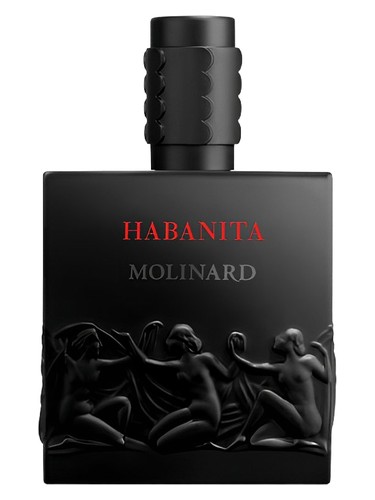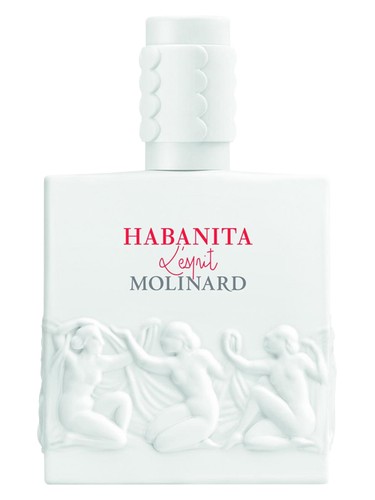
First Impressions
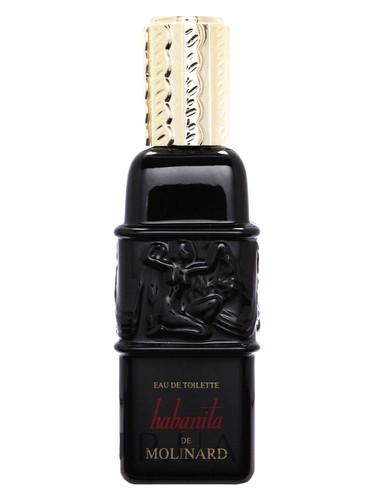
The first spray of Habanita is like opening a velvet-lined jewelry box that''s been locked away for decades. A burst of raspberry and peach mingles with orange blossom, but this isn''t the fresh, innocent fruit of modern fragrances. Within moments, something darker stirs beneath—a whisper of leather, a hint of tobacco-stained powderiness that immediately signals you''ve encountered something from another era. Born in 1921, when women were bobbing their hair and smoking cigarettes in public for the first time, Habanita still carries that spirit of elegant rebellion. Originally conceived to scent cigarettes, it found its true calling on skin, where it transforms into a rich, unapologetically sensual amber-vanilla embrace with a distinctly animalic edge.
The Scent Profile
Habanita''s opening is deceptively bright, with raspberry and peach providing a jammy sweetness alongside bergamot''s citrus sparkle and the creamy floralcy of orange blossom. But this fruit basket doesn''t linger long before the fragrance reveals its true intentions. The heart unfurls like a bouquet discovered in a Parisian boudoir—heliotrope''s almond-cherry powder, the aristocratic coolness of orris root, ylang-ylang''s creamy exoticism, and classic rose and jasmine. Lilac adds a vintage floral signature that feels decidedly pre-war in its sensibility.
Yet it''s the base that defines Habanita''s character and explains why it''s commanded such devotion over its century-long existence. Leather dominates—not the crisp, modern birch tar variety, but something smokier, more intimate, like well-worn gloves left on a dressing table. This leather intertwines with benzoin''s resinous warmth, vanilla that reads as sophisticated rather than gourmand, and golden amber that glows like lamplight through silk. Oakmoss provides an earthy, slightly bitter foundation, while musk and cedar add depth and that characteristic vintage "weight" that modern fragrances often lack.
The main accords tell the story clearly: amber at full intensity, vanilla at 97%, and powdery notes at 90%. This is a fragrance that wears its vintage identity proudly, with leather at 62% ensuring it never veers into simple sweetness. The woody and sweet accords hover around 48-49%, creating a perfect tension between comfort and intrigue.
Character & Occasion
Habanita knows its place in the calendar. With winter scoring 86% and fall at 83%, this is decidedly a cold-weather companion—one that thrives when wrapped in wool and cashmere. Spring and summer receive minimal votes at 21% and 20% respectively, and for good reason. The richness, the powder, the leather—these elements need cool air to truly sing without overwhelming.
The day-versus-night data is particularly revealing: while it scores 48% for daytime wear, it achieves a perfect 100% for evening. This makes intuitive sense. Habanita possesses a formality and intensity that feels most at home after dark, in candlelit restaurants, concert halls, or anywhere an entrance is required. It''s not a fragrance that whispers; it announces. Those who wear it during the day do so with confidence, likely in professional settings where its vintage sophistication reads as authority rather than excess.
This is decidedly a feminine fragrance in its original conception, though the leather and woody elements could certainly appeal to those who prefer less conventionally gendered scents.
Community Verdict
The Reddit fragrance community speaks of Habanita with the reverence reserved for fallen legends, awarding it an impressive 8.2/10 sentiment score across 55 opinions. The emotional weight behind these reviews is palpable—this isn''t just a fragrance people like, it''s one they mourn.
The praise centers on several key strengths: its status as an iconic vintage fragrance with genuine nostalgic appeal, a distinctive and memorable scent profile that stands apart from modern releases, and exceptional sillage and longevity that requires only the lightest hand. Its discontinued status (though Molinard has occasionally re-released it) has elevated Habanita to collectible status, with devotees hoarding bottles like precious artifacts.
The downsides are honest and significant. Availability remains the primary concern—finding authentic bottles proves challenging, and the fear of never replacing a finished bottle is real. Some reviewers acknowledge that to contemporary noses accustomed to clean musks and transparent florals, Habanita may smell dated. It''s also described as polarizing and potentially challenging, not a crowd-pleaser for the uninitiated.
The community recommends it particularly for vintage fragrance collectors, special occasions that demand memorability, evening wear, and those seeking a truly distinctive signature scent.
How It Compares
Habanita exists in distinguished company among the great vintage feminines. Its siblings include LouLou by Cacharel, Coco Eau de Parfum by Chanel, and the legendary Shalimar and Samsara from Guerlain. These are the grand dames of perfumery—fragrances that defined elegance for their generations. Dune by Dior represents perhaps the most modern comparison, though still firmly vintage in spirit. Where Shalimar leans more heavily into its vanilla and incense, and Coco emphasizes spice and baroque florals, Habanita distinguishes itself with that pronounced leather accord and its particular balance of powder and amber.
The Bottom Line
With a solid 4.12/5 rating across 2,367 votes, Habanita has proven its appeal extends beyond nostalgia. This is a legitimately beautiful fragrance that happens to be a century old, not a museum piece we pretend to admire. Its vintage character is undeniable—the powderiness, the density, the unabashed use of oakmoss and animalic musks—but these elements create complexity and interest that many modern releases lack in their pursuit of mass appeal.
Should you seek it out? If you appreciate vintage fragrances, absolutely. If you''re curious about fragrance history and want to experience what "elegant" meant in 1921, yes. If you need something safe for the office or prefer light, fresh scents, look elsewhere. Habanita demands appreciation for what it is—a leather-bound love letter from another era, still seductive, still bold, still utterly itself after all these years.
AI-generated editorial review