First Impressions
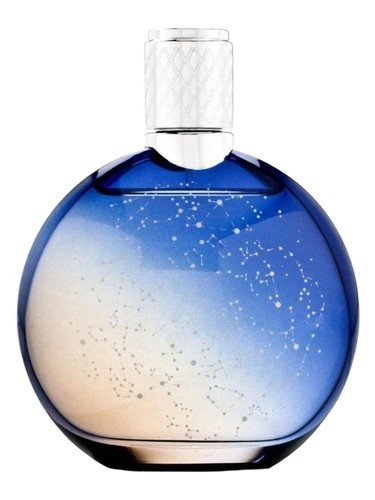
The first spray of Midnight in Paris tells you everything you need to know about Van Cleef & Arpels'' approach to masculine fragrance: this is sophistication without pretense, warmth without heaviness. A supple leather accord emerges immediately, tempered by the bright tang of bergamot and Amalfi lemon. But this isn''t the aggressive leather of motorcycle jackets or the citrus blast of conventional men''s fragrances. Instead, imagine the worn leather armchair in a Parisian study, the kind that''s been polished by decades of use, catching the last light of evening through tall windows. Holly and rosemary add an unexpected herbal quality that keeps the opening from veering into territory that''s too smooth, too easy.
This is a fragrance that understands restraint. Where many masculines of the early 2010s were shouting for attention, Midnight in Paris speaks in a confident murmur.
The Scent Profile
The evolution of Midnight in Paris reveals a carefully orchestrated journey through contrasting textures. Those opening notes—leather flanked by bergamot, Amalfi lemon, holly, and rosemary—create an intriguing duality between polish and earthiness. The leather isn''t raw or animalic; it''s refined, almost suede-like in its softness. The citrus elements don''t linger long, serving instead as a bright introduction before gracefully bowing out.
As the fragrance settles into its heart, something quietly remarkable happens. Tea appears, bringing with it a subtle dryness that complements the leather beautifully. This isn''t sweet tea or smoky lapsang souchong, but rather the faint astringency of quality leaves. Styrax adds a resinous quality, almost balsamic, while lily-of-the-valley contributes a green, slightly powdery dimension. It''s an unusual trio for a masculine fragrance, and it works precisely because these notes don''t demand attention—they simply deepen the complexity.
The base is where Midnight in Paris reveals its true identity as an amber-dominant fragrance. Tonka bean and amber create a warm, enveloping sweetness that never crosses into dessert territory. Incense and benzoin contribute a smoky, ceremonial quality—imagine the lingering scent in a cathedral after evening mass. The almond note adds an almost imperceptible marzipan whisper, while the interplay of all these elements creates that vanilla accord that rates at 37% in the overall composition. This isn''t vanilla extract; it''s the ghost of vanilla, woven through amber and smoke.
Character & Occasion
The community has spoken decisively about when Midnight in Paris shines: this is a cold-weather champion. With 93% voting for winter and 90% for fall, it''s clear this fragrance thrives when temperatures drop. The amber-forward composition and warm spicy undertones make perfect sense against crisp autumn air or winter''s bite. Spring sees a modest 38% approval, while summer languishes at just 13%—and rightfully so. This is too rich, too enveloping for heat.
The day-night split is equally telling. While 46% find it appropriate for daytime wear, a full 100% endorse it for evening. This isn''t a boardroom scent or a casual weekend fragrance. Midnight in Paris comes alive after dark, whether you''re heading to dinner, the theater, or simply want to feel more composed during a winter evening at home. It''s date-night material without being obvious about it, sophisticated enough for formal occasions without feeling stuffy.
This is a fragrance for someone who appreciates the quieter luxuries—good leather goods, well-tailored coats, the ritual of a properly made drink. It skews mature, not because younger wearers can''t pull it off, but because it rewards patience and doesn''t pander to trends.
Community Verdict
With a rating of 4.26 out of 5 based on 4,733 votes, Midnight in Paris has earned genuine respect from a substantial community. This isn''t a niche darling with a handful of devotees, nor is it a mass-market crowd-pleaser inflated by marketing spend. Nearly five thousand people have weighed in, and the consensus is clear: this is a very good fragrance. It''s not perfect—that would require edging closer to 4.5 or beyond—but it''s consistently satisfying.
The vote count itself suggests something important: enough people have discovered this fragrance to form a meaningful consensus, yet it hasn''t achieved the ubiquity that breeds backlash. It occupies a sweet spot of being well-regarded without being everywhere.
How It Compares
Van Cleef & Arpels positions Midnight in Paris among distinguished company. The comparisons to The One for Men by Dolce & Gabbana and Bleu de Chanel suggest it plays in the premium masculine space without the aggressive marketing of those powerhouses. The reference to Serge Lutens'' Chergui is particularly interesting—it hints at the oriental, amber-heavy character that sets Midnight in Paris apart from bluer, fresher competitors.
Links to Le Male and Fahrenheit speak to its ability to be both approachable and distinctive. Like those classics, it has a clear identity without being confrontational. But where Le Male leans sweet and Fahrenheit goes abstract, Midnight in Paris maintains its leather-and-amber core throughout, making it perhaps more wearable for those who want character without eccentricity.
The Bottom Line
Midnight in Paris deserves its 4.26 rating. It''s a fragrance that understands its lane and stays in it with confidence. The leather-amber combination, elevated by that unusual tea heart and grounded by incense and tonka, creates something genuinely appealing for cold weather and evening wear. Van Cleef & Arpels crafted a masculine that feels expensive without being showy, complex without being difficult.
If you''re drawn to warm, amber-heavy fragrances but want something more textured than sweet orientals, this deserves your attention. If you appreciate leather scents but find many too aggressive or too sparse, this strikes a beautiful balance. And if you simply want something that makes winter nights feel more intentional, more considered, Midnight in Paris delivers exactly what its name promises: the romance of Paris after dark, bottled.
AI-generated editorial review