First Impressions
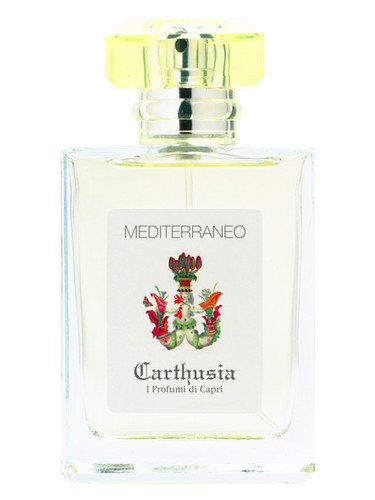
The first spritz of Mediterraneo is like stepping off a boat onto the sun-drenched terraces of Capri. There''s an immediate rush of brightness—bergamot and lemon collide with the cooling whisper of mint and eucalyptus, while red thyme adds an herbaceous warmth that prevents the composition from veering into generic cologne territory. This is Carthusia doing what it does best: bottling the essence of the Italian islands where the brand was born. The opening is unapologetically citrus-forward (scoring a perfect 100% on the citrus accord), but there''s complexity here too. Litsea cubeba, that lesser-known citrus note with its sharp, almost ginger-like quality, adds an intriguing edge to the familiar lemon-bergamot duo. This isn''t just another citrus fragrance—it''s a love letter to a specific place, captured in liquid form.
The Scent Profile
Mediterraneo''s evolution is a study in Mediterranean terroir. The opening salvo of lemon and bergamot is joined by mint and eucalyptus, creating a cooling effect that feels like a sea breeze cutting through the heat. Red thyme and litsea cubeba add aromatic depth (reflected in that 50% aromatic accord), preventing the top notes from reading as one-dimensional citrus cleanser. It''s fresh, yes, but with herbal character that grounds it.
As the fragrance settles, Sicilian mandarin emerges in the heart, sweeter and more rounded than the sharp citrus of the opening. This is where Mediterraneo reveals its softer side—wildflowers and jasmine add a delicate floral dimension (17% floral accord), while cardamom contributes a fresh spiciness (30% fresh spicy accord) that keeps things interesting. The wildflowers aren''t individually identifiable; instead, they create an impression of walking through Mediterranean scrubland where small blooms peek through aromatic herbs.
The base is minimal—just white musk—which serves more as a soft landing than a destination. This musk is clean and understated, allowing the citrus and aromatic notes to linger without heavy anchoring. It''s a choice that keeps Mediterraneo light and airy, though it also contributes to the fragrance''s most significant weakness.
Character & Occasion
The data tells a clear story: Mediterraneo is a summer fragrance through and through, scoring 100% for summer suitability and 52% for spring. Fall and winter barely register (7% and 3% respectively), and there''s good reason for this specificity. This is a fragrance built for heat, designed to refresh rather than envelop. The cooling mint and eucalyptus, the bright citrus, the green undertones (25% green accord)—these elements shine when temperatures soar and humidity clings.
With an 86% day rating versus just 9% for night, Mediterraneo makes its intentions clear: this is daytime wear for casual occasions. Think linen shirts and espadrilles, outdoor lunches overlooking the sea, morning market runs in coastal towns. While marketed as feminine, the aromatic and fresh spicy accords give it enough versatility to transcend rigid gender boundaries—anyone who loves clean, citrus-forward fragrances will find something to appreciate here.
Community Verdict
The r/fragrance community approaches Mediterraneo with measured appreciation, awarding it a 7.5/10 sentiment score based on 66 opinions. The praise centers on authenticity: reviewers consistently highlight how effectively it evokes the Mediterranean atmosphere, particularly the Amalfi Coast. The fresh, natural quality of the citrus and aquatic notes earns genuine admiration—this doesn''t smell synthetic or mass-market.
But there''s a significant caveat that appears repeatedly in community discussions: performance. Longevity is Mediterraneo''s Achilles heel. Multiple users note that it functions more as "a summer splash than a full fragrance," fading within a few hours. For a fragrance with a 4.12/5 rating from 695 votes—a solid score—it''s telling that weak sillage and fleeting presence are the primary complaints. The limited discussion volume compared to mainstream Mediterranean fragrances also suggests it remains somewhat under-the-radar, a niche offering even within niche perfumery.
The consensus? Beautiful while it lasts, but expect to reapply if you want to carry the scent through a full day.
How It Compares
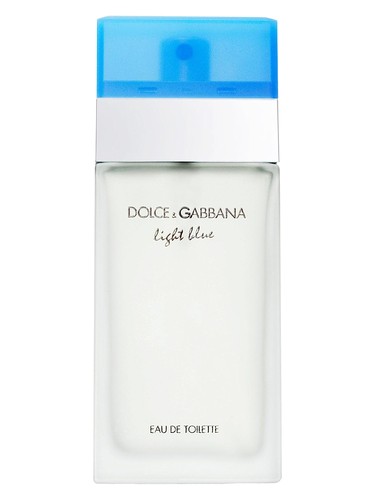
Mediterraneo exists in distinguished company. Its similar fragrances list reads like a who''s who of Mediterranean-inspired perfumery: Acqua di Parma''s Fico di Amalfi, Hermès'' Un Jardin Sur Le Nil, Creed''s Virgin Island Water. What sets Carthusia''s offering apart is its authenticity—this is a brand literally born on Capri, with roots dating back to the 14th century. Where some Mediterranean fragrances feel like tourist postcards, Mediterraneo has the intimacy of a local''s secret spot.
Compared to the richer, more fig-focused Fico di Amalfi or the vetiver-grounded Terre d''Hermès (also listed as similar), Mediterraneo stays lighter and more purely citrus-aromatic. It''s closest in spirit to Guerlain''s Aqua Allegoria Herba Fresca, sharing that emphasis on fresh herbs and bright citrus, though the Carthusia leans more overtly Italian in its composition.
The Bottom Line
Mediterraneo is a fragrance that knows exactly what it wants to be—and succeeds brilliantly within those parameters. At 4.12/5 from nearly 700 votes, the rating reflects genuine appreciation for its ability to capture a specific mood and place. This isn''t a winter powerhouse or an evening showstopper, and it doesn''t pretend to be.
Is it worth the investment despite modest longevity? That depends on what you value. If you''re seeking a fragrance that transports you to the Italian coast with remarkable authenticity, that feels natural rather than chemical, and that provides a burst of Mediterranean sunshine on hot days, absolutely. Just approach it as you would a luxury splash—beautiful, refreshing, ephemeral. Keep the bottle handy for reapplication, or embrace the fleeting nature as part of the experience.
Best suited for those who already love citrus-aromatic fragrances and don''t mind performance trade-offs in exchange for quality and authenticity, Mediterraneo is a summer essential rather than a year-round staple. For lovers of Italian perfumery and anyone who''s felt the magic of the Amalfi Coast, this is a scent worth experiencing—even if you''ll need to experience it several times throughout the day.
AI-generated editorial review