First Impressions
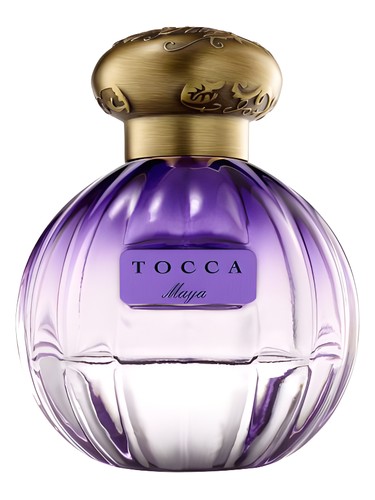
The first spray of Tocca Maya announces itself with an unusual proposition: what if a classic floral weren''t trying to be pretty? Black currant bursts forth not as sweet candy, but as concentrated, almost medicinal fruit—the kind you''d find in a jar of artisanal preserves at a farmers market. Violet leaf adds its green, cucumber-like freshness, creating an opening that feels more like walking through a damp autumn garden than entering a flower shop. There''s an immediate earthiness here, a grounded quality that sets Maya apart from its sweeter, more conventionally feminine counterparts. This is a fragrance that wears its 100% woody accord rating proudly from the very first moment.
The Scent Profile
Maya''s evolution is less about dramatic transformation and more about gradual revelation—like layers of forest floor slowly coming into focus. The black currant and violet leaf top notes establish that distinctive jammy-herbal character the community has latched onto, fruity yet oddly vegetal, sweet but undercut with green sap and crushed stems.
As the fragrance settles, the heart reveals a triumvirate of florals that refuse to behave conventionally. Iris flower brings its characteristic powdery, root-like quality—more earthy tuber than delicate petal. Damask rose and jasmine appear, but they''re muted, almost shadowed, their usual indolic richness tamped down by the iris''s restraining influence. This isn''t a floral bouquet meant to seduce; it''s a floral study meant to intrigue. That 53% iris accord makes itself known here, lending a cool, almost metallic quality that keeps the composition from veering into conventional territory.
The base is where Maya truly commits to its woody identity. Patchouli (accounting for 65% of the accord profile) arrives not as hippie headshop incense but as dark, slightly sweet earth. Oakmoss contributes that classic chypre-like dryness—a 66% earthy accord that grounds everything firmly in the forest floor. Sandalwood provides creamy texture without sweetening the deal too much. There''s an ozonic quality (45%) threading through the dry down, like the smell of air after rain, adding freshness to what could otherwise become heavy.
Character & Occasion
Maya is decidedly a cool-weather companion. The data tells a clear story: fall wearability scores at 100%, making this a perfect September-through-November scent when the air turns crisp and leaves begin their transformation. Spring follows at 76%—those transitional days when the earth is still damp and new growth pushes through old decay. Winter at 58% makes sense for milder climates or indoor wear, while summer''s 33% rating suggests this woody-earthy composition might feel too heavy when temperatures soar.
The day/night split is revealing: 92% day versus 69% night. This isn''t a date-night seductress or a glamorous evening statement. Maya is the fragrance you wear to a gallery opening on a Saturday afternoon, to a autumn farmers market, or while working in a sun-drenched studio. It''s intellectual rather than sensual, contemplative rather than attention-seeking.
Who is this for? Someone comfortable with unconventional beauty. A person who owns multiple shades of olive and charcoal in their wardrobe. Someone who appreciates craft, handmade ceramics, independent bookstores—the kind of person who finds beauty in the imperfect and interesting rather than the merely pretty.
Community Verdict
The r/fragrance community sentiment scores Maya at 7.5/10—solidly positive but not rapturous. Based on 66 opinions, a clear pattern emerges: those who love Maya really love it, but it''s polarizing enough to leave others confused. The community highlights that "unique herbal jam-like scent profile" as its defining characteristic, with users praising it as "wearable and distinctive."
The cons are equally instructive: it''s described as "polarizing" with "limited discussion in community threads." This isn''t a mainstream crowd-pleaser, and Maya seems content with that status. The relatively modest 3.55 out of 5 rating from 597 votes suggests a fragrance that divides opinion—some find its herbal earthiness compelling, others likely find it too unconventional or challenging.
The community positions it as best suited for "niche fragrance enthusiasts" and "those seeking herbal gourmand scents"—though calling Maya gourmand is generous. It''s gourmand the way rye bread with cultured butter is gourmand: edible in inspiration but hardly dessert.
How It Compares
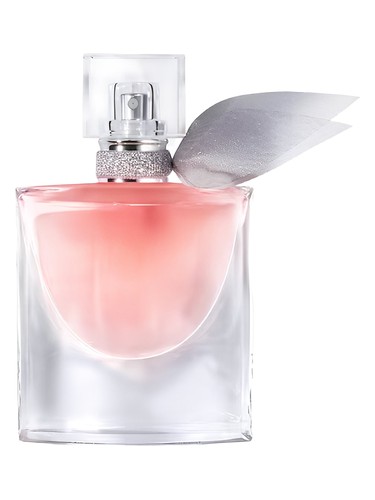
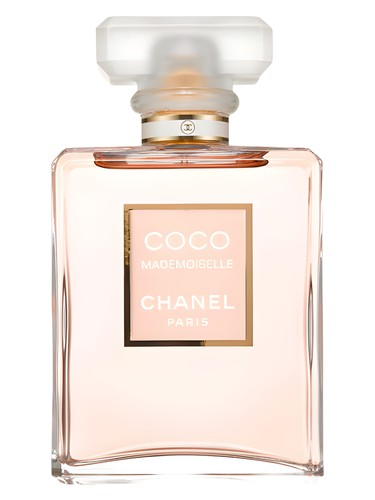
The listed similar fragrances are fascinating precisely because Maya feels like their earthy, rebellious cousin. Flowerbomb, La Vie Est Belle, and Chance Eau Tendre all lean sweeter and more conventionally appealing. Coco Mademoiselle shares some patchouli DNA but plays much more sophisticated and polished. The closest relative might be Tocca''s own Giulietta, suggesting the brand has carved out a niche for unconventional feminines.
Where those comparisons sparkle and seduce, Maya meditates and grounds. It occupies space in the woody-floral category that values character over mass appeal, offering an alternative for those who find mainstream florals too saccharine or one-dimensional.
The Bottom Line
Tocca Maya isn''t trying to be everything to everyone, and that''s precisely its strength. With a 3.55 rating, it''s not going to top anyone''s "most popular" list, but for the right person, it offers something genuinely different: a woody-fruity-floral that prioritizes earth over air, substance over sparkle.
At its presumed mid-range price point (typical for Tocca), Maya represents good value for those seeking something distinctive without venturing into niche pricing territory. It won''t wow a crowd, but it will intrigue the person standing close enough to notice.
Should you try it? Absolutely, if you''ve ever felt bored by conventional florals, if you gravitate toward woody scents but want some fruit and flower, or if phrases like "herbal jam" sound appealing rather than odd. Sample first—this is decidedly not a blind-buy fragrance unless you''re already a Tocca devotee or know you love iris-forward, earthy compositions.
Maya asks you to appreciate beauty that''s a little strange, a little wild, more forest than garden. For the right wearer, that''s not a compromise—it''s exactly the point.
AI-generated editorial review