First Impressions
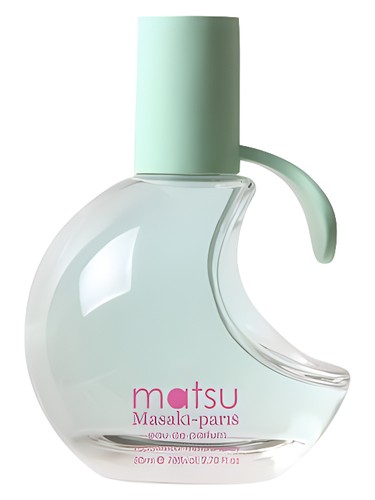
The first spray of Matsu feels like stepping into a Japanese garden at the cusp of spring. There''s an immediate brightness—peach mingling with the subtle bite of pink pepper—that gives way almost instantly to the soft embrace of rose petals. It''s a greeting that manages to be both vibrant and gentle, much like the design philosophy Masaki Matsushima brings to all his creations. This 2014 release doesn''t announce itself with drama or intensity; instead, it whispers an invitation to lean closer, to discover layers of delicate florals that unfold with the patience of cherry blossoms opening to the morning sun.
What strikes you first is how unapologetically floral this fragrance is. The data confirms what your nose already knows: this is 100% a floral composition, yet it never feels overwhelming or grandmotherly. The freshness accord, running at 47%, keeps everything lifted and airy, preventing the blooms from becoming too dense or cloying.
The Scent Profile
Matsu''s opening movement is deceptively simple. The peach note brings a soft, fuzzy sweetness that feels natural rather than candy-like, while pink pepper adds just enough sparkle to prevent the composition from settling into placidity too quickly. Rose appears early, but not in its full glory—this is rose as a supporting player, setting the stage for what''s to come.
The heart is where Matsu truly reveals its identity. Lilac and wisteria create the fragrance''s purple-hued soul, those ephemeral spring flowers that bloom so briefly yet leave such lasting impressions. Star jasmine and orange blossom weave through these cooler florals, adding warmth and a white floral richness that accounts for the 31% white floral accord. This middle phase is remarkably well-balanced—there''s complexity here, but it''s presented with restraint. The florals don''t compete; they complement, creating a bouquet that feels both cultivated and wildly natural.
The base brings unexpected comfort. Musk provides the soft skin-like quality that many modern florals rely on, but the addition of almond and sandalwood adds character. The almond (registering at 24% in the accord breakdown) doesn''t read as gourmand or edible; instead, it contributes a subtle nutty creaminess that grounds the florals. Sandalwood, often a heavy-hitter in fragrances, appears here in whispered form—just enough woody warmth to give Matsu a foundation without weighing down its essentially airy nature.
Character & Occasion
The community data tells a clear story: Matsu is a spring fragrance through and through, with 100% seasonal alignment to those warming months when gardens come alive. Summer claims 53% relevance, which makes perfect sense given the fresh, unencumbered nature of the composition. Fall and winter barely register (16% and 10% respectively), and one wearing confirms why—this is not a fragrance built for cold weather comfort or cozy evenings by the fire.
At 92% day wear versus just 7% night, Matsu knows exactly what it is: a daytime companion for office meetings, weekend brunches, or afternoon strolls through botanical gardens. This isn''t a fragrance that seeks to seduce or mystify under evening lights. Instead, it offers something perhaps more valuable—an effortless, put-together presence that works from morning coffee through late afternoon commitments.
The feminine classification feels appropriate here, though the freshness and restraint would make this perfectly wearable for anyone drawn to delicate floral compositions. This is for someone who appreciates subtlety, who understands that sometimes the most memorable impressions are the quietest ones.
Community Verdict
With 511 votes landing at a 3.67 out of 5 rating, Matsu sits comfortably in "good, not great" territory. This isn''t a fragrance that inspires passionate devotion or widespread acclaim, but neither does it disappoint. The rating suggests a reliable, well-crafted scent that does exactly what it sets out to do without attempting to revolutionize the floral category.
That mid-range rating is worth exploring—it likely reflects both strengths and limitations. Those who love it probably appreciate its wearability and freshness. Those rating it lower may find it too subtle, too simple, or perhaps lacking in staying power (though the data doesn''t provide longevity metrics). With over 500 votes, there''s enough consensus to trust this as a fragrance worth sampling, even if it''s not destined for everyone''s signature scent rotation.
How It Compares
The similar fragrances listed—Lancôme''s Miracle, Lanvin''s Eclat d''Arpège, Elizabeth Arden''s 5th Avenue, Cacharel''s Noa, and Lacoste Pour Femme—paint a clear picture of Matsu''s category positioning. These are all reliable, accessible florals that skew fresh and daytime-appropriate. None are niche darlings or boundary-pushing compositions; they''re polished, wearable fragrances from established houses.
Where Matsu distinguishes itself is in those specific floral choices—lilac and wisteria aren''t as commonly featured as the rose and jasmine that dominate many of its comparisons. There''s also a distinctly Japanese aesthetic sensibility here: clean lines, natural beauty, restraint. While Miracle leans more aquatic and Noa brings soapy aldehydes, Matsu stays closer to the garden itself.
The Bottom Line
Matsu won''t change your life or redefine your relationship with fragrance, and it doesn''t try to. What it offers is a well-executed floral composition that captures the lightness and renewal of spring with honesty and grace. The 3.67 rating reflects its nature as a solid, dependable option rather than a show-stopping masterpiece.
For those building a fragrance wardrobe, Matsu fills the spring daytime slot admirably. It''s appropriate for virtually any daytime setting, inoffensive without being boring, and feminine without being frilly. The price point for Masaki Matsushima fragrances tends toward the accessible end of the spectrum, making this a low-risk exploration for anyone curious about soft florals with a touch of uniqueness.
Try Matsu if you''re drawn to delicate florals, if you''ve worn the similar fragrances listed and want something in that vein with a slightly different character, or if you simply want a reliable spring scent that won''t demand too much attention but will quietly enhance your presence. Skip it if you need projection and longevity, prefer bold statements, or gravitate toward heavier, more complex compositions. Sometimes a fragrance''s greatest virtue is knowing exactly what it is—and Matsu does, with gentle confidence.
AI-generated editorial review