First Impressions
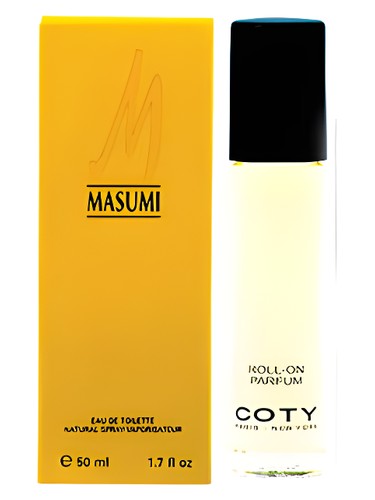
The first spray of Masumi delivers an unexpected paradox: tropical fruit meeting exotic wood in a handshake that shouldn''t work, yet absolutely does. That opening burst of pineapple and melon could veer dangerously sweet, but the palisander rosewood steps in immediately—peppery, slightly smoky, grounding the juicy fruits before they can turn cloying. Bergamot adds its citrus brightness to the composition, creating an opening that feels simultaneously cheerful and sophisticated. This is 1967 perfumery at its most daring, a time when perfumers weren''t afraid to pair unlikely companions and trust them to find harmony on skin.
The Scent Profile
Masumi''s evolution tells the story of a fragrance that knows exactly where it''s headed. Those opening notes of palisander rosewood and bergamot, tempered by the fruity sweetness of pineapple and melon, create an entrance that''s both inviting and intriguing. The rosewood in particular deserves attention—it''s not just a supporting player but a defining element that threads through the entire composition, lending that characteristic woody spiciness that dominates the accord profile at 100%.
As the fragrance settles into its heart, the tropical brightness recedes and something more refined emerges. Rose and violet bring a powdery, old-world femininity to the composition—the kind of floral treatment that speaks to late-1960s elegance rather than contemporary floral transparency. But it''s the cardamom that adds the magic here, its warm spiciness bridging the gap between the fruity opening and the woody destination. This isn''t a loud, showy heart; it''s subtle, well-mannered, and decidedly powdery at 54% of the accord profile.
The base is where Masumi truly reveals its vintage soul. Oak moss and Virginia cedar form the woody backbone, while sandalwood adds its creamy smoothness. Musk provides skin-like intimacy, amber brings warmth, and vanilla softens the edges without turning the composition sweet. This is classic chypre territory—earthy, mossy, grounded—with enough ambery warmth to keep it from feeling austere. The interplay between the mossy (43%) and amber (35%) accords creates a base that''s both forest-floor authentic and comfortingly warm.
Character & Occasion
Masumi is unquestionably an autumn fragrance—the data shows fall at 100%—and one spray makes it clear why. This is a scent that mirrors the season''s complexity: the last fruits of harvest meeting bare branches, warmth layered over approaching cold. But it''s more versatile than that singular seasonal strength might suggest. Spring scores 62%, winter 61%, making this a three-season workhorse that only really stumbles in the heat of summer (46%), where those woody, powdery elements might feel too heavy.
The day/night split (85% day, 73% night) reveals Masumi''s true versatility. This isn''t a fragrance that demands evening formality, nor does it insist on daylight casualness. It''s refined enough for professional settings, warm enough for romantic dinners, and distinctive enough to make an impression without announcing your arrival from across the room. The powdery, woody character reads as effortlessly elegant—the kind of scent that makes people lean in closer rather than step back.
This is a fragrance for someone who appreciates perfumery''s past but doesn''t want to smell like a museum piece. It requires a certain confidence to wear something this unapologetically vintage, but it rewards that confidence with a complexity you simply don''t find in many modern releases.
Community Verdict
With a rating of 4.15 out of 5 based on 362 votes, Masumi has earned genuine respect from those who''ve encountered it. That''s a strong score for a fragrance that''s been around for over five decades, suggesting this isn''t merely nostalgia talking. The rating indicates a fragrance that delivers on its promises—complex, well-constructed, and satisfying to wear. The sample size of 362 votes is substantial enough to trust, representing a committed community of wearers who''ve taken the time to evaluate and rate their experience.
How It Compares
The comparisons to Dune by Dior and Samsara by Guerlain immediately place Masumi in distinguished company—these are fragrances known for their woody sophistication and refusal to follow trends. Like Dune, Masumi balances an unusual fruity-woody combination with aplomb. The similarities to Paloma Picasso and Obsession by Calvin Klein speak to that vintage intensity and unapologetic presence. What distinguishes Masumi is its accessibility despite its vintage DNA—it''s less opulent than Samsara, less angular than Paloma Picasso, and more approachable than the powerhouse intensity of Obsession. It occupies a sweet spot between distinctive character and everyday wearability.
The Bottom Line
Masumi deserves far more attention than it receives. At 4.15 out of 5, it''s performing well above many contemporary releases, and for good reason. This is masterful blending from an era when Coty still commanded respect in fine fragrance. The progression from unexpected fruit through powdery florals to a gorgeous woody-mossy base shows a level of compositional skill that transcends decades.
Is it challenging? Slightly—that opening fruit-wood combination requires an open mind. Is it worth exploring? Absolutely. Anyone who loves Dune, Samsara, or vintage woody fragrances owes it to themselves to experience Masumi. The powdery-woody combination is executed with subtlety and restraint, creating a fragrance that feels both substantial and refined. For fall especially, this is a go-to scent that brings warmth, sophistication, and a touch of the unexpected to every wearing.
AI-generated editorial review