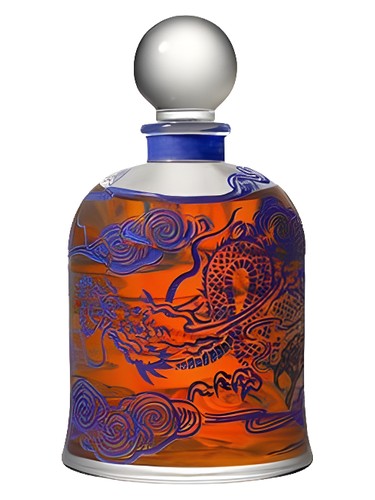
First Impressions
The first spray of Mandarine Mandarin presents a riddle wrapped in a paradox. Chinese orange bursts forth with an unexpected companion—nutmeg—creating an opening that feels simultaneously familiar and utterly foreign. This isn''t the cheerful, uncomplicated citrus of morning sunshine; it''s something darker, more contemplative. The spice immediately signals that Serge Lutens has no intention of delivering a straightforward mandarin cologne. Instead, you''re greeted with a scent that demands attention, provokes questions, and refuses to be categorized easily. It''s the olfactory equivalent of a conversation starter that makes half the room lean in with curiosity and the other half retreat in bewilderment.
The Scent Profile
The journey begins with Chinese orange and nutmeg forming an alliance that shouldn''t work on paper but creates an intriguing tension on skin. The citrus here isn''t bright or sparkly—it''s dense, concentrated, almost brooding. The nutmeg doesn''t simply accent; it infiltrates, warming the citrus from within and giving it a spiced, almost medicinal quality that catches people off guard.
As Mandarine Mandarin settles into its heart, the composition reveals its true complexity. Orange peel and mandarin orange layer upon the opening, but they''re joined by an unexpected element: tea. This isn''t a delicate white tea or a crisp green tea; it has a tannic, slightly bitter quality that adds astringency to the sweet-spicy citrus accord. The orange peel brings essential oil sharpness, that slightly harsh zestiness you get when you scratch a mandarin rind too aggressively. It''s here that the fragrance earns its "fresh spicy" accord rating of 63%—the interplay between fruit, spice, and tea creates something genuinely unconventional.
The base is where Mandarine Mandarin pivots entirely, explaining its 76% amber accord rating. Amber and labdanum create a resinous foundation that transforms the citrus from fresh to fossilized, as if preserving the fruit in honeyed, ancient resin. Tonka bean contributes warmth and a subtle sweetness, while rose hip adds an unexpected fruity-floral whisper. This amber base is substantial and enveloping, creating the kind of warmth that explains why this citrus fragrance scores 100% for both winter and fall wear—a statistical anomaly that makes perfect sense once you experience the scent''s evolution.
Character & Occasion
The data tells a compelling story: this is a citrus fragrance designed for cold weather. With perfect 100% scores for both winter and fall, and comparatively modest ratings for spring (45%) and summer (33%), Mandarine Mandarin defies the conventional wisdom that citrus belongs to warm weather. The amber-labdanum foundation and spicy nutmeg create enough warmth to make this thrive when temperatures drop, wrapping the wearer in a cocoon of spiced, ambered citrus.
The fragrance skews heavily toward daytime wear at 94%, though its 74% night rating suggests it has enough depth and intrigue for evening occasions. This versatility comes from its chameleon nature—the citrus reads as appropriate for daytime propriety, while the amber base provides evening sophistication.
Marketed as feminine, Mandarine Mandarin''s character feels more androgynous than the classification suggests. The spice, amber, and tea notes give it a unisex quality that transcends traditional gender boundaries, making it accessible to anyone drawn to its peculiar charms.
Community Verdict
The fragrance community has spoken with a mixed voice, awarding Mandarine Mandarin a 6.5/10 sentiment score based on 44 opinions. This middling score doesn''t indicate mediocrity but rather deep division. The fragrance is recognized as "intriguing and unconventional," with reviewers finding it "memorable and addictive despite being unusual." It generates the kind of curious interest and discussion that niche fragrance lovers crave.
However, the cons are significant and honest: it''s described as having a "strange or polarizing smell that isn''t for everyone," with "limited wearability for everyday occasions" and "niche appeal with divisive reception." This isn''t a crowd-pleaser, and it doesn''t aspire to be. The community identifies it as best suited for fragrance enthusiasts seeking unconventional scents, artistic or experimental appreciation, and personal exploration.
The overall rating of 3.84/5 from 379 votes confirms this mixed reception—it''s above average, appreciated by those who understand it, but far from universally beloved.
How It Compares
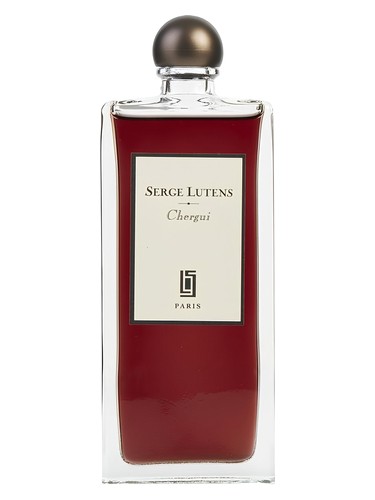
Serge Lutens'' own portfolio provides the closest comparisons: Arabie, Ambre Sultan, Five O''Clock Au Gingembre, and Chergui all share Mandarine Mandarin''s affinity for spiced, ambered warmth. The inclusion of Guerlain''s Shalimar Eau de Parfum as a similar fragrance highlights the classic amber-citrus DNA at play here, though Mandarine Mandarin takes a stranger, more experimental path.
Where Shalimar offers refined elegance, Mandarine Mandarin offers beautiful oddity. It occupies a space between accessible and avant-garde, making it perhaps the most approachable entry point into truly experimental citrus-amber territory.
The Bottom Line
Mandarine Mandarin is not a safe blind buy. It''s a fragrance that demands sampling, contemplation, and an openness to unconventional beauty. The 3.84/5 rating and mixed community sentiment reflect its polarizing nature, but for those who connect with its strange alchemy, it offers something genuinely distinctive in an overcrowded citrus category.
This is a fragrance for the curious, the adventurous, and those who find beauty in contradiction. If you''re seeking an office-safe citrus or a universally pleasing crowd-pleaser, look elsewhere. But if you''re drawn to fragrances that provoke thought, spark conversation, and refuse easy categorization, Mandarine Mandarin deserves time on your skin. Just be prepared for the possibility that you''ll either find yourself strangely addicted or completely perplexed—and with Serge Lutens, that''s precisely the point.
AI-generated editorial review