First Impressions
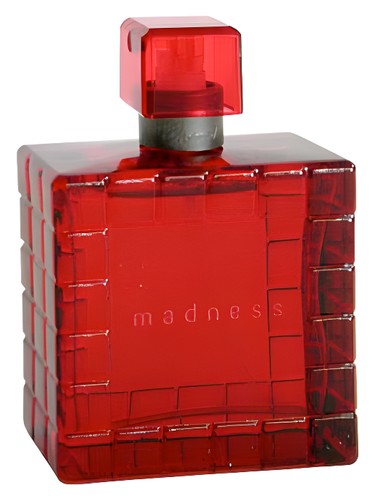
Despite its provocative name, Chopard''s Madness is anything but chaotic. The first spray reveals a study in controlled passion—a sophisticated whisper rather than a scream. Pink pepper tingles at the edges, brightened by the unexpected sweetness of pink litchi and the citrus-tinged snap of kumquat. This isn''t the electric shock you might expect from a fragrance called Madness; instead, it''s the kind of calculated risk-taking that pairs a tailored blazer with unexpected burgundy heels. The opening feels both playful and polished, a soft spicy introduction that promises depth without overwhelming the senses.
The Scent Profile
The journey from top to base reveals Chopard''s true intention: this is a rose perfume through and through, but one that understands the flower needs architecture to truly shine. Those opening notes of pink pepper, litchi, and kumquat create an effervescent halo around the composition, their gentle spiciness and fruit-forward sweetness lasting just long enough to intrigue before stepping aside.
As Madness settles, the heart emerges with full-throated confidence. Rose takes center stage—not the dewy, fresh-cut variety, but something richer and more complex. The hibiscus adds a tropical softness, tempering the rose''s potential severity and introducing a creamy, slightly musky undertone. This floral pairing feels unexpectedly modern for a 2001 release, sidestepping the aggressive tuberose and jasmine combinations that dominated the era.
The base is where Madness earns its woody credentials, sitting at an impressive 98% on that accord. Palisander rosewood brings a warm, almost spicy timber that reinforces the perfume''s architectural quality. These woody notes aren''t the crisp cedar of masculine fragrances, but something smoother and more enveloping. Cotton flower adds an unusual soft, almost powdery texture that bridges the floral heart and woody base seamlessly, creating a musky sweetness that lingers close to the skin.
Character & Occasion
Madness has found its natural habitat in the cooler months, and the community consensus backs this emphatically. This is a winter perfume at its core, with fall running a close second. Only the brave or those in genuinely cool climates would attempt this in spring, and summer wearers are virtually non-existent. That woody-rose combination simply needs the crisp air and cozy layers of autumn and winter to truly perform.
The day-to-night breakdown tells an interesting story: while 81% of wearers find it appropriate for daytime, that number jumps to 94% for evening wear. This suggests Madness possesses that rare versatility—refined enough for the office but with sufficient depth and warmth to carry through dinner and beyond. The soft spicy accord at 85% means it never becomes cloying or overtly seductive; instead, it maintains a dignified sensuality that works across contexts.
This is decidedly a fragrance for those who appreciate rose but have grown weary of soliflores. The woman who reaches for Madness wants complexity, not simplicity—she''s after that sophisticated interplay between floral beauty and woody structure. It''s for cold-weather romantics who prefer burgundy to pink, velvet to silk.
Community Verdict
With 878 votes tallying to a 3.72 out of 5 rating, Madness occupies solid, if not extraordinary, territory. This score suggests a fragrance that''s well-crafted and appreciated, though perhaps not revolutionary. The relatively high vote count indicates staying power—this isn''t a forgotten footnote but a fragrance that continues to find wearers two decades after its release.
That rating feels honest. Madness doesn''t reinvent the rose-woody category, but it executes the genre with grace and wearability. For those seeking their signature cold-weather scent, this represents a thoroughly dependable choice that won''t inspire buyer''s remorse.
How It Compares
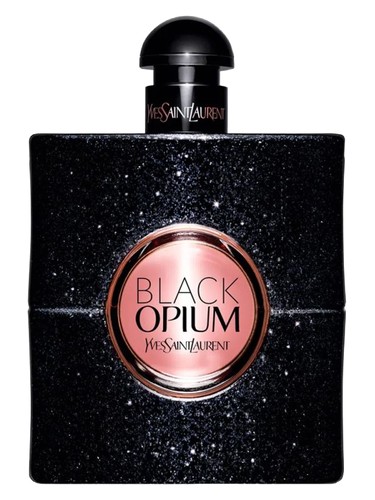
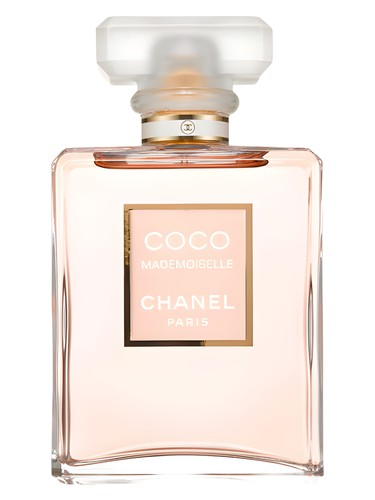
The company Madness keeps is telling. Drawing comparisons to Dior''s Dune, Jean Paul Gaultier''s Classique, Chanel''s Coco Eau de Parfum, and two more Dior classics—Poison and Dolce Vita—places it firmly in the canon of sophisticated, statement-making feminines from the late 20th century golden age.
Where Poison goes bold and intoxicating, and Classique plays with gourmand sweetness, Madness charts a more restrained course. It shares Dune''s woody elegance and Coco''s grown-up refinement, but adds that soft spicy dimension that makes it distinctly its own. Among this illustrious group, Madness might be the most office-appropriate, the one that speaks softly while its siblings command attention more forcefully.
The Bottom Line
Chopard''s Madness succeeds precisely because it understands that true sophistication doesn''t need to shout. With rose dominating at 100% and woody notes close behind at 98%, this fragrance knows exactly what it is: a cool-weather floral for grown women who want elegance with just enough edge to stay interesting.
At 3.72 out of 5, it''s not claiming perfection, but it''s delivering satisfaction to hundreds of wearers who''ve found exactly what they needed. For those building a cold-weather wardrobe, this represents excellent value—a reliable, well-constructed fragrance that performs admirably from morning meetings through evening events.
Should you try it? If you''re drawn to rose but find pure florals too simple, if you love the idea of woody feminines but want something softer than typical palisander-heavy compositions, or if you simply need something sophisticated for fall and winter wear, Madness deserves a place on your testing list. It may not inspire madness, but it will certainly inspire loyalty.
AI-generated editorial review