First Impressions
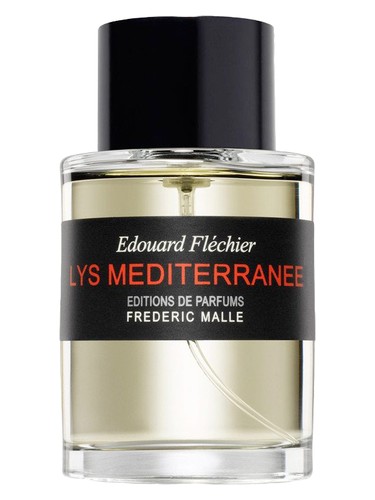
The first spray of Lys Mediterranee feels like a controlled collision between two worlds that shouldn''t logically coexist. There''s the immediate mineral bite of sea water—not the sweetened "aquatic" of countless beach-themed fragrances, but something more honest and saline. Then, almost simultaneously, comes the waxy, narcotic presence of white florals. It''s disorienting in the best way, like stumbling upon a garden of lilies growing improbably close to the Mediterranean coast, their petals heavy with both their own perfume and the salt-spray carried on coastal winds. This 2000 release from Frederic Malle''s exceptional lineup doesn''t ease you in gently; it announces its paradoxical nature immediately.
The Scent Profile
The opening triumvirate of sea water, ginger, and citrus (bergamot and lemon) creates an unusual foundation. The sea water accord isn''t decorative—it''s structural, providing a cool, mineral backbone that prevents what could have been a suffocatingly heavy floral composition from becoming cloying. The ginger adds a subtle warmth and spice, while the citruses sparkle briefly before retreating, their job of initial brightness complete within minutes.
But this fragrance lives and breathes in its heart, and what a heart it is. The lily dominates, as promised—this is Lys Mediterranee, after all. Yet it''s surrounded by a supporting cast that would overwhelm lesser compositions: lotus, orange blossom, angelica, freesia, tuberose, and ylang-ylang. On paper, this sounds like olfactory chaos. In execution, perfumer Edouard Flechier has orchestrated these white florals into something surprisingly transparent. The lily remains the star, its green, pollen-heavy character amplified rather than buried. The tuberose adds creaminess without going full throttle into its characteristic mentholated intensity, while orange blossom contributes a subtle soapiness that reinforces the clean, Mediterranean aesthetic.
The base of musk, vanilla, cedar, and amber provides the gentle landing this fragrance needs. These notes never shout; they whisper. The musk (registering at 43% in the accord profile, second only to the dominant white floral) gives a skin-like softness. Vanilla and amber add just enough warmth to prevent the composition from feeling too austere, while cedar provides a woody grounding that echoes driftwood on a beach—connecting back to that marine opening in a satisfying full-circle moment.
Character & Occasion
With its main accord breakdown showing white floral at 100%, musky at 43%, and marine at 40%, Lys Mediterranee occupies a unique space in the fragrance landscape. The data shows it as suitable for all seasons, and this versatility makes sense once you understand its character. It''s neither a heavy winter white floral nor a lightweight summer freshie—it''s something in between, substantial enough for cooler months but airy enough for warmth.
Interestingly, the day/night data shows no particular leaning toward either wearing occasion. This speaks to the fragrance''s chameleonic nature: the marine and floral elements can read as fresh and appropriate for daytime, while the musky, powdery (28%) aspects give it enough sophistication for evening wear.
This is decidedly feminine in its presentation, though the marine elements prevent it from being exclusively so. It suits someone who appreciates white florals but finds traditional treatments too sweet, too heavy, or too predictable. The wearer of Lys Mediterranee likely gravitates toward the artistic, the conceptual, the thoughtfully constructed rather than the obviously pretty.
Community Verdict
The fragrance community''s response to Lys Mediterranee reveals an interesting gap in discourse. With a solid rating of 4.14 out of 5 from over 2,000 votes, the numerical approval is clear—this is a well-regarded fragrance. However, the Reddit community data for this particular scent shows minimal discussion, with no specific pros, cons, or detailed opinions captured in recent conversations.
This silence is itself telling. It may suggest that Lys Mediterranee occupies a niche position—respected and admired by those who wear it, but perhaps not the type of fragrance that sparks heated debate or widespread evangelism. It''s a cerebral creation, more likely to earn thoughtful appreciation than passionate devotion or vocal criticism. The mixed sentiment score reflects this measured reception: it''s not universally adored, nor is it controversial. It simply is what it is—a well-executed artistic statement that resonates with some and puzzles others.
How It Compares
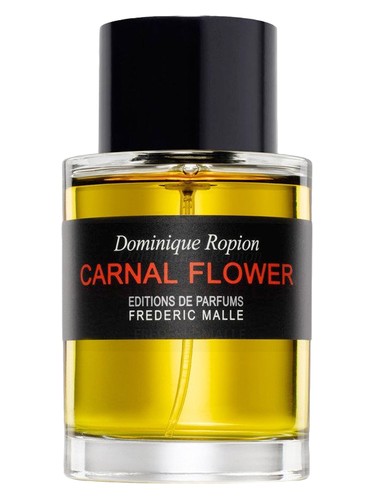
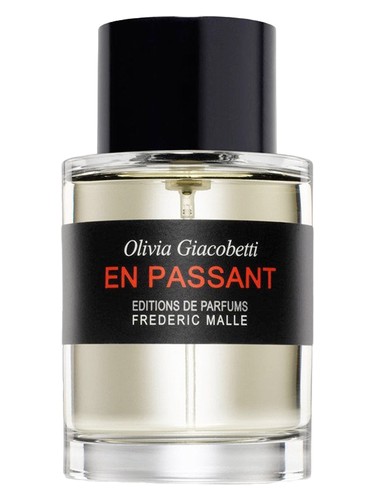
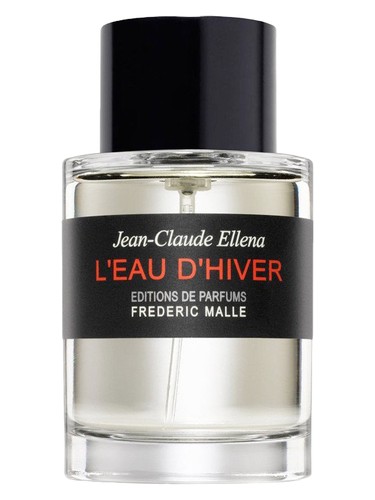
Frederic Malle''s own lineup provides the most relevant comparisons. En Passant offers another take on lily but in a lighter, more evanescent form. L''Eau d''Hiver shares the marine-meets-soft-floral territory but leans more into iris and honey. Carnal Flower takes tuberose to operatic heights where Lys Mediterranee keeps its florals in check.
Outside the Malle universe, Un Jardin Sur Le Nil by Hermès shares some of that green, aquatic vegetation sensibility, though it''s considerably lighter. Coco Eau de Parfum represents the more traditional approach to white florals—baroque and unapologetically opulent where Lys Mediterranee stays relatively restrained.
The Bottom Line
Lys Mediterranee remains relevant nearly a quarter-century after its release because it solved a problem most perfumers didn''t know existed: how to make white florals feel fresh without diluting their character. The rating of 4.14 from over 2,000 voters suggests broad appreciation, if not universal love. This isn''t a crowd-pleaser in the commercial sense—it''s too conceptual, too committed to its marine-floral paradox for that.
Should you try it? Absolutely, if you''ve ever felt that white florals are beautiful but suffocating, or if aquatics feel too thin and inconsequential. This is for the perfume wearer who appreciates artistry over accessibility, who wants their fragrances to tell a story rather than simply smell pleasant. It''s not inexpensive, but as part of the Frederic Malle Editions de Parfums collection, it represents serious perfumery—the kind where every element serves a purpose and nothing is included merely for commercial appeal.
AI-generated editorial review