First Impressions
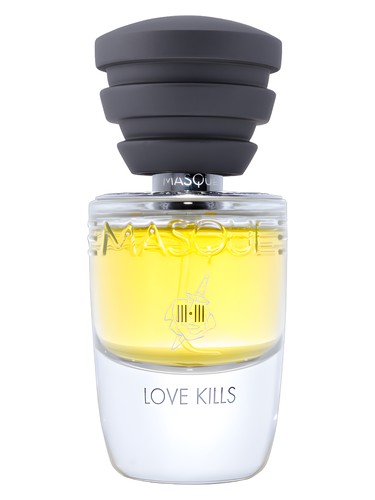
The first spray of Love Kills delivers exactly what its name promises: beauty with an edge. This isn''t the rose you receive on Valentine''s Day, nor is it the dusty potpourri lurking in your grandmother''s drawer. Instead, Masque Milano presents a rose caught at its most photogenic moment—dewy, fresh, and impossibly alive. The Turkish rose oil announces itself with clarity, bolstered by African geranium''s green, almost mentholated sharpness. There''s an unexpected freshness here, a quality that immediately distinguishes Love Kills from the heavy-handed rose bombs that dominate the niche market. The ambrette adds a whisper of clean musk even in these opening moments, hinting at the journey this fragrance will take you on.
The Scent Profile
Love Kills orchestrates its rose symphony in three distinct movements, each marking a stage in the flower''s life cycle. The top notes burst forth with Turkish rose oil alongside that supporting cast of African geranium and ambrette. This opening reads as surprisingly fresh and spicy rather than overtly floral—the geranium brings an aromatic, almost medicinal quality that keeps the rose from veering into saccharine territory. It''s a bloom caught at dawn, petals still holding last night''s moisture.
As the fragrance settles into its heart, the composition grows more textured. Here, the Turkish rose deepens and finds its partner in patchouli. This isn''t the headshop patchouli of 1970s cliché, but rather a refined, earthy presence that grounds the rose without overwhelming it. The patchouli adds shadow and dimension, suggesting the midday hours when flowers begin to show their age, when perfection starts its inevitable slide.
The base is where Love Kills reveals its conceptual ambitions most clearly. Ambrarome—a synthetic amber molecule—joins forces with musk and cedar essence to create something papery and subdued. This is the rose past its prime, petals browning at the edges, beauty giving way to decay. The cedar adds a woody dryness, the musk softens everything into a skin-like whisper, and what remains is more memory than flower. It''s a brave artistic statement: letting beauty fade rather than trying to preserve it in perpetual bloom.
Character & Occasion
Despite its feminine classification, Love Kills wears with enough complexity to transcend rigid gender categories. The data suggests this is fundamentally a spring fragrance, scoring a perfect 100% for that season, though fall follows closely at 89%. This makes intuitive sense—spring for the dewy rose awakening, fall for the woody, musky fade. Winter and summer both clock in at 53%, making Love Kills a genuinely transitional scent that adapts to cooler weather better than sweltering heat.
The day-to-night breakdown (89% day, 80% night) reveals Love Kills'' versatility. It''s appropriate for daylight wear without being office-bland, yet maintains enough presence for evening occasions. Community feedback specifically mentions special occasions and date nights as ideal contexts—this isn''t your everyday rose, but rather one reserved for moments when you want to make a statement, however quiet that statement might be.
Rose enthusiasts will obviously gravitate here, but Love Kills particularly suits those who appreciate conceptual fragrances with narrative arcs. This is perfume as performance art, requiring an audience willing to pay attention as it evolves. Collectors who value artistic intent over crowd-pleasing accessibility will find much to admire.
Community Verdict
The Reddit fragrance community approaches Love Kills with measured appreciation, awarding it a 7.2/10 sentiment score that reflects genuine respect tempered by practical concerns. The praise centers on that beautiful, fresh opening that successfully avoids "old-lady floral" territory—no small feat in the rose category. Commenters appreciate the unique conceptual framework and acknowledge the high quality of ingredients and composition. Those who connect with it find it genuinely evocative and special, rewarding careful attention.
However, the criticisms are equally pointed. The elephant in the room is pricing: $450 for a full bottle places Love Kills firmly in luxury territory, and community members question whether the experience justifies that investment. Several note that while they respect the fragrance, it doesn''t quite "wow" them despite its quality and concept. There''s also practical concern about the brand''s future following founder Alessandro Brun''s death—some worry Masque Milano may discontinue operations, making this already expensive fragrance even harder to obtain. Interestingly, some prefer other Masque Milano releases like Time Square, suggesting Love Kills may not be the brand''s universal crowd-pleaser.
The official rating of 3.9/5 from 362 voters aligns with this mixed-positive reception: solidly good, widely respected, but not universally beloved.
How It Comparisons
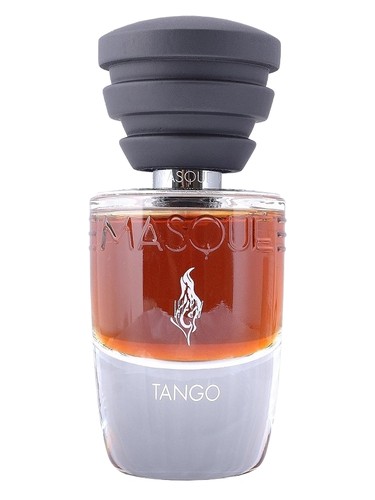
Love Kills exists in rarefied company. Its closest relatives include Serge Lutens'' La Fille de Berlin, Frederic Malle''s Portrait of a Lady, and Tom Ford''s Noir de Noir—all heavyweight rose fragrances with devoted followings. Within the Masque Milano stable, it shares DNA with Tango and Kintsugi. Where Love Kills distinguishes itself is in that conceptual arc from bloom to decay, a narrative element that feels more artistic than commercial. It''s less opulent than Portrait of a Lady, less gothic than Noir de Noir, carving out its own territory in the rose landscape.
The Bottom Line
Love Kills is a fragrance that demands something from you—attention, patience, and a significant financial commitment. At $450, it''s competing not just on scent but on experience, and whether that experience justifies the price depends entirely on how much you value artistic intent in your perfume collection. This isn''t a safe crowd-pleaser, nor is it trying to be.
For rose devotees tired of predictable florals, for collectors who appreciate perfume as conceptual art, for those seeking something genuinely different in a crowded category—Love Kills delivers. But be honest about whether you''re willing to pay premium prices for a fragrance that even its admirers describe as "special but not necessarily wow-inducing." Sample first, preferably multiple times, letting it reveal its full arc from life to death. If that journey resonates, you''ll understand why some consider it truly exceptional. If it doesn''t quite click, there''s no shame in appreciating it from a distance.
AI-generated editorial review