First Impressions
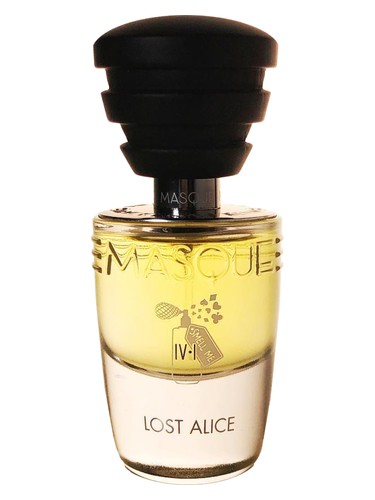
The first spray of Lost Alice feels like tumbling through a looking glass into something familiar yet fundamentally strange. There''s an immediate whisper of pepper-tinged bergamot, but it''s softened by something vegetal and oddly comforting—a quality that hovers between savory and sweet. The ambrette and clary sage create an herbal haze, while black pepper adds just enough bite to keep you guessing. Within moments, you realize this isn''t another pretty iris fragrance or safe gourmand. This is Masque Milano asking: what if a tea party smelled like this?
The opening defies easy categorization. It''s powdery without being infantile, spicy without being aggressive, and there''s an unmistakable note that makes you tilt your head and wonder. That''s the carrot making its entrance—not raw and crunchy, but softened, steeped, almost pickled in black tea. It''s the kind of olfactory surprise that either captivates or confounds, with little middle ground.
The Scent Profile
Lost Alice unfolds in layers that challenge conventional fragrance architecture. The top notes of ambrette, black pepper, bergamot, and clary sage establish an aromatic framework that''s simultaneously grounded and airy. The bergamot provides citrus transparency, but the clary sage and ambrette give it a musky, almost medicinal herbaceousness. Black pepper crackles at the edges, preventing the composition from becoming too ethereal.
The heart is where Lost Alice earns its reputation for peculiarity. Orris and white rose provide the expected powdery-floral backbone, delivering that dominant powdery accord (100% according to the data) that defines the fragrance''s character. But then comes the carrot—an ingredient so unusual in perfumery that it demands attention. Paired with black tea, it creates what reviewers describe as a "potable" rather than edible quality. This isn''t carrot cake or candied vegetables; it''s closer to an herbal tea infusion where carrot acts as an earthy, slightly sweet supporting player. The black tea note adds tannin-like dryness, creating a beverage-like quality that''s more sophisticated than typical gourmand territory.
The base notes of milk, sandalwood, and broom complete the picture with a lactonic softness (65% accord strength) that rounds out the composition''s edges. The milk note reads as condensed milk rather than fresh dairy—concentrated, slightly caramelized, with a warmth that plays beautifully against the woody sandalwood. Broom adds a honeyed, hay-like sweetness that bridges the vegetal heart with the creamy base. The woody accord (58%) provides structure without overwhelming the softer elements, while the musky quality (39%) from the ambrette continues to thread through the entire development.
Character & Occasion
Lost Alice is decisively a cool-weather companion. The data shows it thrives in fall (100%) and spring (89%), with respectable winter performance (71%) but limited summer appeal (29%). This makes intuitive sense—the powdery-lactonic-woody combination needs moderate temperatures to avoid becoming cloying or heavy. It''s the fragrance equivalent of a cashmere sweater: comforting, sophisticated, with just enough texture to remain interesting.
At 91% day wear versus 35% night wear, Lost Alice clearly stakes its claim as a daytime fragrance. There''s an intellectual, contemplative quality to it that suits working hours, creative pursuits, or leisurely afternoons better than evening glamour. The soft spicy accord (47%) adds interest without drama, and the iris character (54%) lends refinement without stuffiness.
This is a feminine fragrance designed for those who''ve grown weary of obvious choices. It suits the wearer who appreciates tea ceremonies as much as cocktail parties, who finds beauty in understated complexity rather than bombastic projection. The community data suggests it''s ideal for niche fragrance collectors and those who appreciate unconventional gourmand scents—people willing to embrace a vegetal character in exchange for genuine originality.
Community Verdict
The r/fragrance community approaches Lost Alice with cautious appreciation, reflected in a sentiment score of 6.8/10. Based on 50 opinions, the consensus reveals a fragrance that commands respect even from those who don''t personally love it.
The praise centers on its genuinely unique composition. Reviewers highlight the distinctive carrot tea note paired with pepper and condensed milk—a combination that shouldn''t work on paper but creates something memorable in execution. There''s specific appreciation for how it achieves a powdery character without defaulting to the dreaded "baby powder" smell that plagues many iris-heavy fragrances. The "potable rather than edible" gourmand profile earns particular recognition for offering sweetness and comfort without veering into dessert territory.
The criticisms are equally specific. That distinctive carrot note, while praised by some, simply doesn''t appeal to all palates. The vegetal character proves polarizing—you either find it intriguing or off-putting, with limited neutral ground. There''s notably limited mainstream discussion, suggesting Lost Alice remains confined to niche circles rather than achieving broader recognition.
The official rating of 4.06/5 from 1,073 votes suggests solid appreciation from a dedicated audience, though the mixed Reddit sentiment indicates that mass appeal was never the goal.
How It Compares
Lost Alice shares DNA with several boundary-pushing fragrances. Gris Charnel by BDK Parfums offers a similar powdery-woody-tea experience, though with more prominent fig and vetiver. Remember Me by Jovoy Paris explores comparable lactonic territory. Ani by Nishane provides another take on unusual gourmand compositions, while Byredo''s Bal d''Afrique and Gypsy Water offer adjacent woody-spicy-fresh profiles, though with less emphasis on the powdery-lactonic aspects that define Lost Alice.
What sets Lost Alice apart is its commitment to that carrot-tea accord. Where other fragrances flirt with unconventional notes, Masque Milano fully commits to this vegetal-herbal vision, creating something that stands alone even within the niche category.
The Bottom Line
Lost Alice achieves what few fragrances dare attempt: it prioritizes genuine originality over universal appeal. The 4.06/5 rating from over a thousand voters confirms this isn''t a failed experiment—it''s a successful execution of a deliberately challenging concept.
Should you try it? Absolutely, if you''re drawn to fragrances that tell stories rather than simply smell pleasant. If your collection already includes unconventional scents and you appreciate the interplay between savory and sweet, vegetal and creamy, Lost Alice deserves a full wearing. Tea lovers and those who gravitate toward iris-powder compositions with a twist will find much to appreciate.
However, if you prefer crowd-pleasing compositions or shy away from vegetal notes, Lost Alice may remain an admired curiosity rather than a personal favorite. Sample first, ideally across multiple wearings, as this is a fragrance that reveals itself slowly and rewards patience.
Masque Milano has created a fragrance that honors its namesake''s journey into wonderland—curious, beautiful, occasionally confounding, and utterly itself.
AI-generated editorial review