First Impressions
The first spray of Loukhoum transports you directly to a sun-drenched Middle Eastern patisserie, where rose-dusted Turkish delight sits arranged in neat rows beneath glass. This is Keiko Mecheri''s 1997 interpretation of the confection that gives it its name, and it wears its inspiration unabashedly. The opening hawthorn note provides a fleeting, almost imperceptible whisper—a delicate breath before the composition reveals its true character. Within moments, what emerges is unequivocally sweet, unmistakably floral, and surprisingly soft. This isn''t a fragrance that announces your arrival; it''s one that rewards those who lean in close.
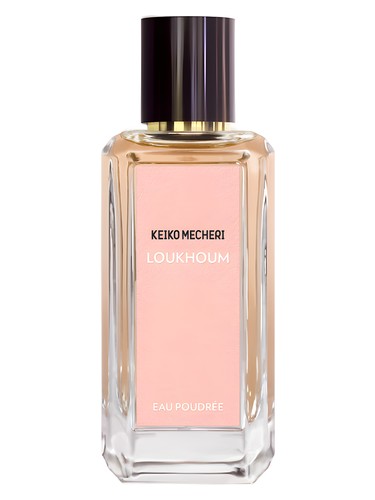
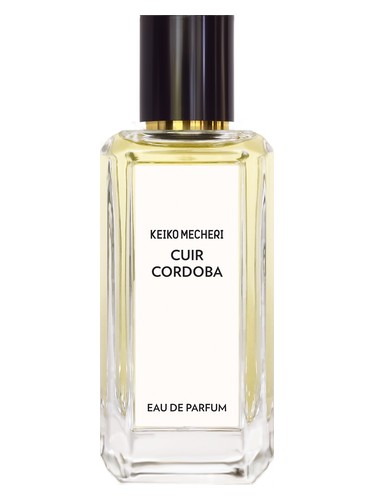
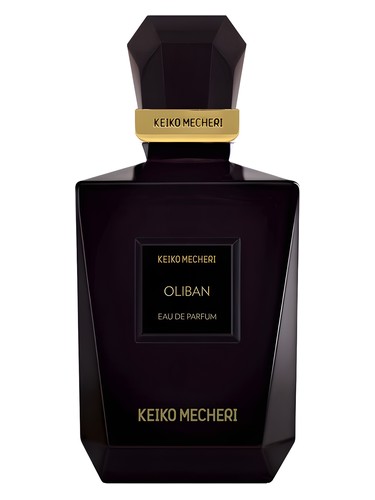
The bottle itself presents beautifully, and for many wearers, this visual appeal matches their emotional response to what''s inside. But there''s an immediate paradox at play: Loukhoum smells like something that should fill a room, yet it clings intimately to skin, creating an intensely personal scent bubble that rarely extends beyond arm''s length.
The Scent Profile
Loukhoum''s structure follows a direct path from its hawthorn opening—brief and almost ceremonial—into a heart where the true magic happens. Here, almond emerges as a dominant player, not the bitter, marzipan-sharp variety, but something softer, rounder, more confectionery. It intertwines with rose in a way that feels powdery rather than fresh, creating that characteristic Turkish delight sensation. The floral notes blend seamlessly, never fighting for individual attention but instead forming a cohesive, sweetened bouquet.
As the fragrance settles into its base, white honey adds a subtle golden warmth, while vanilla reinforces the gourmand sweetness without tipping into cloying territory. Musk provides a clean softness, and woody notes add just enough structure to prevent the composition from floating away entirely into pure sugar-spun fantasy. The main accord breakdown tells the story plainly: this is a floral fragrance (100%) that leans heavily sweet (89%), with almond (79%) and honey (72%) playing crucial supporting roles, while vanilla (58%) and rose (50%) round out the experience.
The evolution is gentle rather than dramatic. Don''t expect sweeping transformations or surprising twists. Loukhoum reveals itself quickly and then maintains its character with remarkable consistency—assuming you can still smell it after the first hour.
Character & Occasion
The data speaks clearly about Loukhoum''s seasonal preferences: this is emphatically a winter fragrance (100%), with strong fall viability (84%), while spring (34%) and summer (22%) wear become increasingly challenging. The sweet, enveloping nature of the composition simply works best when temperatures drop and you''re layered in cozy fabrics that can help project what the fragrance itself struggles to broadcast.
With an 85% day and 68% night rating, Loukhoum shows versatility in timing, though community feedback suggests this flexibility comes more from its softness than its adaptability. It works during the day because it won''t offend in close quarters; it works at night because it creates an intimate scent cocoon. But these aren''t necessarily the reasons you''d choose it for either occasion.
The feminine designation from 1997 feels somewhat dated in today''s fragrance landscape—there''s nothing inherently gendered about almond and rose—but the powdery sweetness does skew toward traditional feminine fragrance territory. This is most certainly a comfort scent, something you wear for yourself rather than for projection or compliments, best reserved for casual leisure time, cozy weekends at home, or moments when you want olfactory comfort without announcement.
Community Verdict
The Reddit fragrance community offers a measured response to Loukhoum, reflected in a 6.5/10 sentiment score that lands squarely in "mixed" territory. Based on 25 opinions, the division becomes clear: this is a fragrance people either embrace as a personal treasure or dismiss as impractical.
The pros center on its soft, comforting character with a distinctive powdery-sweet profile that many find evocative and memorable. The bottle design earns consistent praise. For those who love Loukhoum, they love it—calling it a personal favorite for intimate wear.
But the cons hit hard: poor projection and longevity top the list of complaints, with multiple users reporting the scent disappears within an hour or two. The consensus firmly establishes that this isn''t suitable for work or professional settings, not because it''s offensive, but because it simply doesn''t perform. The scent intensity—or lack thereof—severely limits wearability for anyone expecting a fragrance to last through a full day.
The community summary captures the essence perfectly: "a divisive fragrance that appeals to those seeking a soft, powdery comfort scent but struggles with weak performance."
How It Compares
Positioned alongside heavyweights like Dior''s Hypnotic Poison, Guerlain''s L''Instant de Guerlain, Serge Lutens'' Datura Noir, Kenzo Amour, and Thierry Mugler''s Angel, Loukhoum occupies the gentler end of the sweet-floral-gourmand spectrum. Where Angel projects with bombastic intensity and Hypnotic Poison commands attention with its almond-vanilla magnetism, Loukhoum takes a more modest approach—perhaps too modest for its own good.
It shares the almond-sweetness DNA with Hypnotic Poison but lacks that fragrance''s sillage and tenacity. Next to L''Instant de Guerlain''s sophisticated sweetness or the dark drama of Datura Noir, Loukhoum feels almost naive, like a watercolor sketch beside oil paintings.
The Bottom Line
With a 3.99/5 rating from 1,259 votes, Loukhoum sits just below the threshold of universal acclaim, and the performance issues explain why. This is a fragrance that smells beautiful in theory but disappoints in practice for anyone expecting modern longevity standards.
Who should try it? Those who genuinely prioritize scent character over performance, who wear fragrance primarily for personal enjoyment rather than projection, or who plan to reapply throughout the day. If you''re seeking a soft, powdery comfort scent for home wear and aren''t bothered by weak sillage, Loukhoum''s evocative Turkish delight interpretation might become a beloved personal signature.
Who should skip it? Anyone needing all-day performance, office-appropriate longevity, or a fragrance that announces presence. At its price point, the poor projection becomes harder to justify when countless alternatives offer similar profiles with better staying power.
Loukhoum is beautiful while it lasts. The tragedy is that it doesn''t last nearly long enough.
AI-generated editorial review