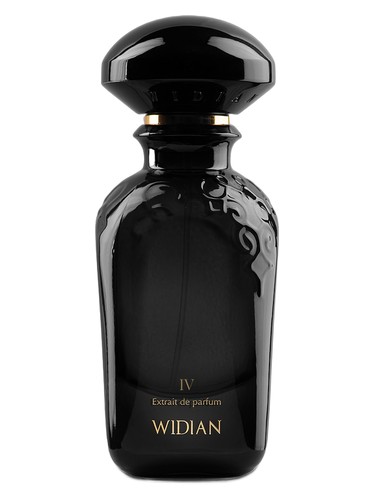
First Impressions
The first spray of Liwa hits like opening the door to a spice merchant''s vault at dusk. Saffron—that most precious of ingredients—announces itself immediately, not with subtlety but with golden-red confidence. It''s accompanied by the herbal greenness of artemisia, creating an intriguing tension between opulence and earthiness. Bergamot provides just enough citrus brightness to keep the opening from becoming too heavy, while jasmine whispers promises of the floral heart to come. This is a fragrance that commands attention from the start, wrapping you in warmth even before it settles into skin.
The Scent Profile
Liwa''s composition reads like a masterclass in Middle Eastern perfumery, building layer upon luxurious layer. Those opening moments of saffron and artemisia—sharp, slightly medicinal, thoroughly captivating—give way surprisingly quickly to a heart that softens the spice with florals. White rose emerges as the star of the middle act, supported by geranium''s slightly minty, rosy facets. But this isn''t a delicate rose garden; it''s a rose viewed through an amber lens, warm and resinous, with that initial saffron threading through everything like a golden rope.
The amber accord here is substantial—scoring 92% in dominance—and it shows. This is where Liwa reveals its true character: a warm, enveloping embrace that feels both ancient and contemporary. The florals never disappear entirely, but they become part of a larger, more complex story.
As the fragrance settles into its base, the woody elements take center stage. Incense adds a smoky, ceremonial quality, while sandalwood and cedar provide creamy, grounding support. Patchouli brings earthiness without turning the composition dark or gothic. Then there''s the oud—agarwood that adds depth and a subtle animalic edge without overwhelming the blend. Vetiver roots everything with its green, woody dryness. The result is a base that feels like expensive wood furniture in a room where incense has been burning for hours.
Character & Occasion
The data tells a clear story: Liwa is a cool-weather powerhouse designed for evening wear. With winter scoring 100% and fall at 99%, this is decidedly not a summer scent for most climates (only 28% suitability). Spring reaches just 51%, suggesting this fragrance truly comes alive when temperatures drop and you want something substantial clinging to your skin.
The day versus night split is particularly telling: while Liwa manages a respectable 58% for daytime wear, it absolutely shines at night with a 94% rating. This makes perfect sense given that warm spicy accord at 100% dominance. During the day, the saffron and spices might feel a touch formal, perhaps best suited to professional settings where you want to project sophisticated confidence. But when the sun sets? Liwa transforms into something special—a fragrance for dinner reservations, theater nights, or simply feeling extraordinary in your own skin.
Though marketed as feminine, the woody base and substantial spice profile give it a character that could easily cross traditional gender boundaries. Anyone who loves amber-dominant, spice-forward fragrances should consider trying it.
Community Verdict
Here''s where Liwa presents an interesting puzzle. With a solid 4.06 out of 5 stars from 605 votes, the broader fragrance community clearly appreciates it. However, the Reddit r/fragrance community data reveals surprisingly limited discussion—a mixed sentiment score of 6.5/10 suggests this isn''t a fragrance that generates passionate devotion or strong opinions in either direction.
The pros that do emerge are noteworthy: users mention pleasant warm weather performance with good longevity, a unique and distinctive scent profile, and particular effectiveness in tropical or hot climates. That last point is fascinating given the seasonal data suggesting it''s primarily a cool-weather fragrance—perhaps Liwa has a special versatility in consistently warm regions that cooler-climate wearers don''t experience.
The main con isn''t really about the fragrance itself—it''s that there''s minimal detailed discussion available. This could mean several things: Liwa might fly under the radar compared to more hyped releases, or it might appeal to a specific audience that doesn''t overlap heavily with the Reddit community. The lack of consensus on performance details makes it harder to predict how it will work for individual wearers.
How It Compares
The list of similar fragrances places Liwa in prestigious company. Comparisons to Baccarat Rouge 540 suggest a similar warmth and amber character, though Liwa leans heavier into spice. The connection to Tauer''s L''Air du Desert Marocain makes sense given the incense and warm accord dominance. Mentions alongside Nishane''s Ani, Tom Ford''s Black Orchid, and Frederic Malle''s Musc Ravageur position this firmly in the luxurious, complex, evening-wear category.
What sets Liwa apart is its particular balance—it''s warmer and spicier than Baccarat Rouge, less overtly dark than Black Orchid, more traditionally structured than Ani. It occupies a space between Middle Eastern attar traditions and contemporary niche perfumery.
The Bottom Line
Liwa is a fragrance of contrasts: widely appreciated yet surprisingly under-discussed, marketed for warm weather wear yet performing best in cool seasons, feminine in classification yet broadly appealing in character. The 4.06 rating from over 600 voters suggests WIDIAN has created something genuinely likable, even if it hasn''t captured the imagination of the most vocal fragrance communities.
Who should seek this out? Anyone who loves saffron, appreciates substantial amber fragrances, or wants something sophisticated for evening wear when temperatures drop. Those who find most saffron-rose combinations too sweet or too simple will appreciate Liwa''s complexity and woody grounding. Given WIDIAN''s positioning, expect luxury pricing—but also expect a fragrance that delivers on quality and longevity.
This isn''t a safe crowd-pleaser or an attention-seeking beast. It''s a well-crafted, warmly spiced amber fragrance that does its job beautifully without needing to shout about it. Sometimes that quiet confidence is exactly what you''re looking for.
AI-generated editorial review