First Impressions
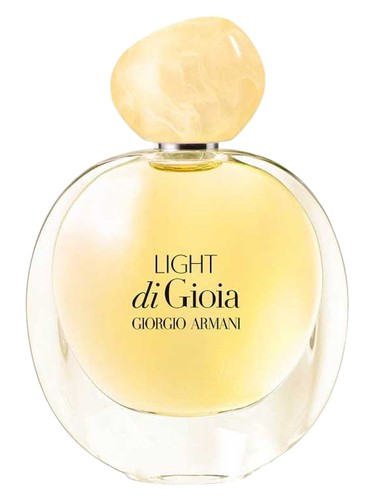
The first spray of Light di Gioia feels like stepping onto a sun-warmed terrace overlooking the Italian Riviera. There''s an immediate burst of bergamot—bright, clean, and slightly green—that clears the air with its citrus clarity. But this isn''t a sharp, attention-grabbing opening. Instead, it''s gentle and luminous, like morning light filtering through sheer linen curtains. Within moments, you sense what''s coming: a wave of white flowers that promises to dominate the composition, but with a restraint that feels distinctly Armani. This is refined radiance, not shouty opulence.
The Scent Profile
Light di Gioia builds its story around a classic structure, executed with a modern, airy sensibility. The bergamot opening provides just enough citrus lift—accounting for that 36% citrus accord—to prevent the composition from feeling too creamy or heavy from the start. It''s a brief but essential prelude, lasting perhaps 10 to 15 minutes before the heart notes claim center stage.
And what a heart it is. Gardenia and jasmine form the soul of this fragrance, creating that dominant 100% white floral accord that defines the entire experience. The gardenia brings a creamy, slightly indolic richness—that characteristic white floral depth that can verge on heady but here stays carefully controlled. The jasmine adds transparency and a tea-like freshness, keeping the composition from becoming too thick or vintage in feel. Together, they create a soft-focus floral haze that feels contemporary rather than classic, more sheer silk than heavy velvet.
The base provides necessary grounding without adding weight. White musk contributes to that 26% musky accord, lending a skin-like softness that keeps the florals close rather than projecting aggressively. The woody notes—subtle but present at 25%—add just enough structure to prevent the composition from floating away entirely. There''s also a lactonic quality (22%) that suggests creamy smoothness, though it''s more implied than overtly milky. A hint of fresh spice (18%) weaves through the composition, perhaps from the bergamot''s natural facets or the floral notes themselves, adding just enough complexity to keep things interesting.
The overall effect is surprisingly linear—this isn''t a fragrance of dramatic transformations. Instead, it maintains its white floral character from the 30-minute mark through to the final hours, with only subtle shifts in emphasis as the citrus fades and the musky base becomes more apparent.
Character & Occasion
The community consensus is crystal clear: Light di Gioia is a summer perfume, scoring an overwhelming 98% for warm-weather wear. Spring follows at a respectable 85%, while fall and winter trail far behind at 27% and 11% respectively. This makes perfect sense. The composition''s airy white florals and fresh character are built for heat—they bloom beautifully in warm temperatures without becoming overwhelming or cloying.
This is also definitively a daytime fragrance, scoring 100% for day wear versus just 17% for evening. It''s the perfect companion for outdoor lunches, beach clubs, summer workdays, garden parties, and weekend brunches. The restraint in its projection and the freshness of its character make it office-appropriate while still feeling special enough for leisure.
Who should wear Light di Gioia? It''s designed for someone who appreciates white florals but wants them presented with modern lightness rather than vintage drama. It suits those who favor elegance over impact, presence over projection. Age-wise, it skews slightly mature—this isn''t a teenage first fragrance—but it''s approachable enough for anyone who loves fresh, floral compositions.
Community Verdict
With 857 votes tallying to a 3.69 out of 5 rating, Light di Gioia sits in that interesting middle ground: well-liked but not worshipped. This is a fragrance that clearly has its admirers—nearly four stars suggests genuine appreciation—but it''s not generating the passionate devotion that pushes perfumes toward the 4.5+ range.
The rating likely reflects what the composition itself reveals: this is a beautiful, wearable, well-executed fragrance that doesn''t take risks. It delivers exactly what it promises—a light, fresh white floral—without offering unexpected twists or remarkable longevity. For some, that''s precisely what they want. For others seeking something more distinctive or long-lasting, it may feel somewhat forgettable.
How It Compares
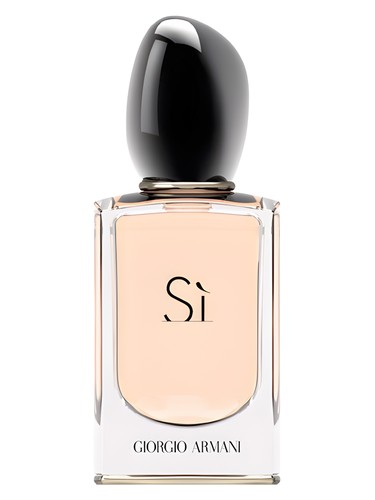
The similar fragrances list reads like a who''s who of modern feminine blockbusters: Dior''s Pure Poison, Armani''s own My Way, Givenchy''s L''Interdit, YSL''s Libre, and Mugler''s Alien. What''s interesting is that many of these comparisons are bolder, more assertive fragrances than Light di Gioia itself.
Where Alien pushes jasmine into otherworldly territory and Libre combines lavender with orange blossom for striking contrast, Light di Gioia takes a more understated path. It''s perhaps closest in spirit to My Way, sharing that Armani house style of refined, approachable elegance. Pure Poison''s white floral richness provides another valid comparison, though Light di Gioia is decidedly sheerer and more casual. Think of this as the daytime, no-makeup version of these more dramatic fragrances.
The Bottom Line
Light di Gioia occupies a specific niche: it''s a summer white floral for those who want to smell beautiful without making a statement. At 3.69 stars, it''s scoring exactly where it should—this is a good fragrance, not a great one. It''s well-blended, pleasant, and eminently wearable, but it won''t change your life or empty your bank account with its addictiveness.
Should you try it? Absolutely, if you''re searching for a warm-weather white floral that won''t overwhelm air-conditioned spaces or outlast your outdoor lunch. It''s ideal for building a rotation of summer workday scents or for those moments when you want to feel polished but not perfumed. Sample it if you love gardenia and jasmine but find many white florals too heavy, or if you appreciate the Armani aesthetic of quiet luxury.
Just know what you''re getting: elegance and ease, not excitement. And sometimes, that''s exactly enough.
AI-generated editorial review