First Impressions
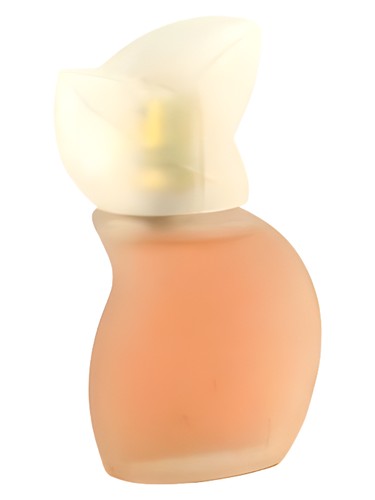
The first spray of Le Jardin transports you to that precise moment in late April when the garden awakens from winter''s grip. A rush of crisp green notes mingles with an unexpected twist of mint and tarragon—not the herbal kitchen variety, but something softer, more abstract, like the scent of crushed leaves still damp with morning dew. There''s bergamot brightness here, tempered by that fascinating aromatic quality, and whispers of unripe fruit hanging on branches. This is Max Factor in 1982, boldly departing from the heavy orientals of the late ''70s to capture something altogether fresher, yet undeniably sophisticated.
What strikes you immediately is the poise. Le Jardin doesn''t announce itself with brazen florals or sweet overtures. Instead, it invites you closer with that verdant opening, promising the white flower garden to come while maintaining an air of cool restraint.
The Scent Profile
The green-herbal introduction—that distinctive combination of mint and tarragon alongside those fresh, slightly bitter green notes—sets Le Jardin apart from its white floral contemporaries. The bergamot adds classical elegance, while fruity nuances prevent the opening from becoming too sharp or austere. This phase is brief but essential, establishing the garden setting before the blooms take center stage.
And what blooms they are. The heart unfolds as a masterclass in white floral composition: jasmine and tuberose provide the creamy, heady foundation, while lily-of-the-valley contributes its green-aquatic sweetness. Ylang-ylang adds depth and a subtle banana-like richness, magnolia brings lemony brightness, and cyclamen offers its soft, powdery-green character. Rose and orris root round out this impressive bouquet, the latter lending an elegant, slightly buttery powderiness that prevents the white florals from becoming too indolic or overwhelming.
This is where Le Jardin truly lives—in that lush, almost intoxicating heart. Yet despite the abundance of flowers, there''s remarkable clarity here. Each note remains discernible rather than blurring into generic white floral territory.
The base brings Le Jardin back to earth with classic ''80s architecture. Oakmoss provides the green, slightly bitter foundation that connects back to the opening and anchors the florals. Sandalwood and cedar contribute woody warmth, while musk and amber add soft, skin-like radiance. A touch of civet—likely synthetic even in 1982—provides animalic depth without crossing into challenging territory. This foundation is substantial enough to give the fragrance impressive longevity while maintaining its essential character as a daytime scent.
Character & Occasion
Le Jardin knows exactly who it is: a spring fragrance first and foremost. The community data confirms this decisively, with 92% spring suitability versus just 20% for winter. This makes perfect sense—the combination of crisp greens and bright white florals captures the season''s essence with remarkable precision.
Summer wears it well too (53% suitability), particularly in the morning or for indoor settings where the florals won''t wilt under oppressive heat. Fall and winter are less ideal territories, though in milder climates, Le Jardin could certainly transition into autumn''s early days.
The day/night distribution tells an even clearer story: this is emphatically a daytime fragrance (100% day versus 23% night). There''s nothing about Le Jardin that suggests candlelit dinners or evening glamour. Instead, this is the scent of garden parties, spring luncheons, office elegance, and weekend refinement. It speaks to a particular kind of polished femininity—confident, tasteful, approachable yet put-together.
The powdery accord (61%) adds a vintage sensibility that reads as ladylike rather than dated, while the woody and musky elements (74% and 59% respectively) prevent it from becoming too soft or sweet.
Community Verdict
With 448 votes yielding a solid 4 out of 5 rating, Le Jardin has earned genuine respect from those who''ve experienced it. This is particularly impressive for a fragrance that''s over four decades old from a brand better known for cosmetics than haute perfumery. That rating suggests a well-crafted scent that delivers on its promise—not groundbreaking perhaps, but reliably beautiful and expertly executed.
The substantial vote count indicates this isn''t some forgotten obscurity. People are still seeking out, wearing, and evaluating Le Jardin, which speaks to its enduring appeal and likely to a cohort of devoted fans who''ve never found anything quite like it since.
How It Compares
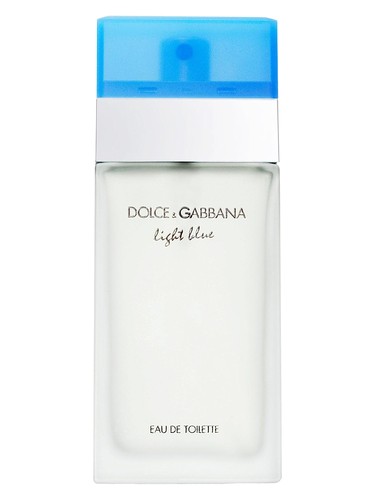
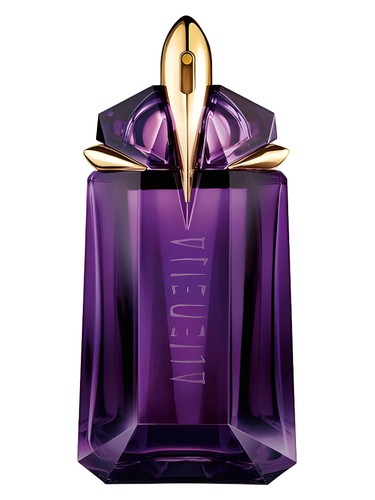
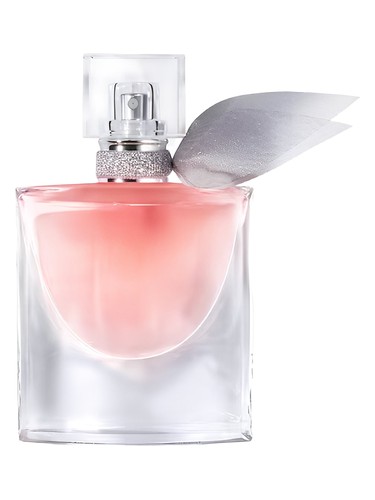
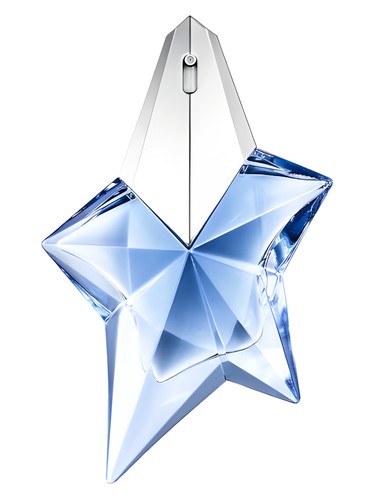
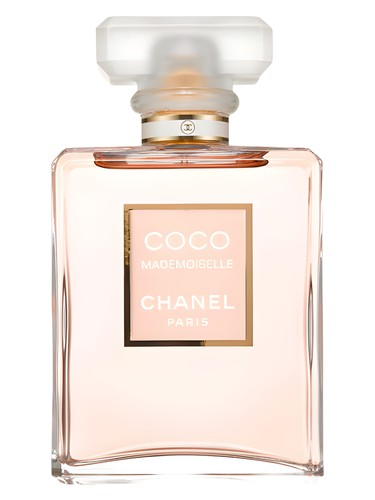
Le Jardin sits comfortably among illustrious company. Its kinship with Anaïs Anaïs by Cacharel makes perfect sense—both are white floral-green fragrances that defined early ''80s elegance. The comparison to Amarige by Givenchy and Poème by Lancôme positions it in the lush white floral category, though Le Jardin''s green opening gives it a lighter, more spring-appropriate character. 5th Avenue by Elizabeth Arden shares that crisp, ladylike sensibility, while Vanderbilt by Gloria Vanderbilt occupies similar polished, feminine territory.
What distinguishes Le Jardin is that herbaceous opening—the mint and tarragon give it a personality distinct from the fruitier or more straightforwardly floral alternatives. It''s perhaps less opulent than Amarige, less formal than 5th Avenue, but with its own balanced charm.
The Bottom Line
Le Jardin represents Max Factor''s perfumery at its finest—a fragrance that understood its mission and executed it with skill. This isn''t a revolutionary scent, but it is a beautifully rendered interpretation of white florals in a green garden setting. The 4/5 rating feels entirely deserved: it''s very good at what it does, though perhaps not transcendent enough to warrant that elusive perfect score.
For anyone who loves classic white florals with a fresh, green character, Le Jardin deserves exploration. It''s ideal for those who find modern fruity florals too sweet or contemporary white florals too heavy. If you''ve worn Anaïs Anaïs to death or find yourself nostalgic for the refined daytime scents of the 1980s, this Max Factor creation will likely delight you. Just remember: this is a spring morning fragrance through and through, best saved for those perfect April and May days when the world itself smells like a garden in bloom.
AI-generated editorial review