First Impressions
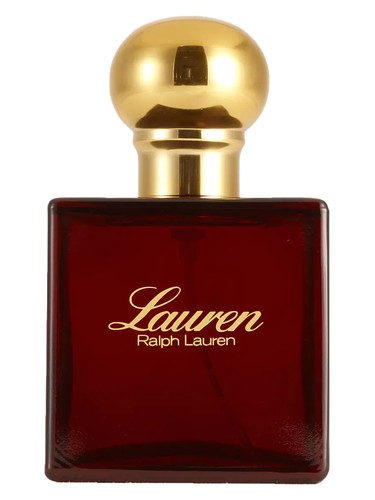
The first spray of Lauren is like stepping into a conservatory at dawn, when dew still clings to waxy leaves and the air vibrates with possibility. There''s an immediate burst of green—not the sharp, citric green of cologne, but something deeper and more complex. Brazilian rosewood mingles with clary sage, creating an herbal-woody opening that feels both grounded and uplifting. Then comes the surprise: a whisper of pineapple that adds tropical sweetness without veering into fruity territory. This is green with a capital G, the kind of opening that announced in 1978 that American perfumery had arrived with its own distinct voice.
The Scent Profile
Lauren''s architecture is a study in contrasts, balancing its assertive green character with a heart of unapologetic floral abundance. Those opening green notes and the aromatic sage create a framework that persists throughout the fragrance''s development, never quite releasing their hold even as the composition blooms.
The heart is where Lauren reveals its romantic soul. A quintet of white and pastel florals unfolds with the kind of generosity that marks true vintage formulations. Lilac and lily-of-the-valley form the core—spring flowers that carry both sweetness and a metallic, almost soapy freshness. Bulgarian rose adds richness and depth, while jasmine contributes its indolic warmth. Cyclamen brings a green-peppery facet that bridges back to that opening, and violet adds powdery softness. The effect is less "bouquet in a vase" and more "garden in full bloom," with each flower maintaining its distinct character while contributing to a lush, layered whole.
The base is where Lauren shows its sophisticated side. Carnation adds a spicy, clove-like warmth that was beloved in the era but feels almost retro now. Oakmoss—that hallmark of chypre perfumery—lends an earthy, slightly bitter green that reinforces the fragrance''s verdant character. Cedar and sandalwood provide creamy woodiness, while vetiver adds its characteristic smoky, rooty depth. The result is a foundation that''s woody without being heavy, grounding all those pretty florals in something substantial and enduring.
Character & Occasion
Lauren is fundamentally a transitional season fragrance, and the community data bears this out beautifully. Spring claims the highest marks at 79%, which makes perfect sense—this is a fragrance that captures the essence of renewal, of gardens coming back to life. Fall follows closely at 77%, where that woody base and spicy carnation note find their moment to shine against the cooling air. Summer and winter receive more modest scores of 52% and 49% respectively, suggesting Lauren can work year-round but truly excels when temperatures are moderate.
The day/night breakdown is telling: 100% day versus 57% night. This is quintessentially daytime elegance—appropriate for the office, lunch meetings, garden parties, museum visits. It has the presence and sophistication for evening wear, but it doesn''t possess the sultry heaviness or oriental richness that typically defines night-time fragrances. This is power dressing in perfume form, the olfactory equivalent of a crisp white shirt and tailored trousers.
Who is Lauren for? She''s for the woman who appreciates classic American sportswear, who understands that "casual" doesn''t mean careless. She''s equally at home in a boardroom or at a country club, and she probably owns at least one piece of actual Ralph Lauren clothing.
Community Verdict
With a rating of 4.06 out of 5 from 1,747 votes, Lauren has earned solid respect from the fragrance community. This is a strong showing, particularly for a fragrance that''s now over four decades old and must compete for attention in a market saturated with newer releases. The substantial number of votes suggests this isn''t a forgotten relic but a fragrance that continues to find new admirers while maintaining loyalty among longtime wearers.
That rating places Lauren firmly in "very good" territory—not a universal masterpiece that everyone adores, but a well-crafted, distinctive fragrance with clear strengths and a devoted following.
How It Compares
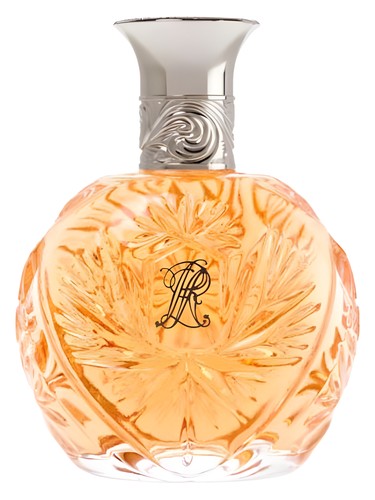
Lauren exists in excellent company. Its kinship with Anais Anais by Cacharel makes sense—both are green-tinged white florals with a romantic sensibility. The connection to Ralph Lauren''s own Safari is interesting, as it suggests a house signature of green freshness. Paris by Yves Saint Laurent shares that vintage floral opulence, while Paloma Picasso brings similar floral-woody depth. Amarige by Givenchy, though typically bolder and sweeter, operates in the same sphere of unapologetic feminine florals.
What distinguishes Lauren is its restraint within abundance. It''s lush but not cloying, green but not austere, woody but not masculine. It carved out a specifically American aesthetic—fresher and more casual than French florals, more sophisticated than simple clean scents.
The Bottom Line
Lauren represents an important chapter in perfume history: the moment American fashion designers began creating fragrances that matched their aesthetic vision. At 4.06 out of 5, it''s a fragrance that has aged remarkably well, maintaining relevance through changing trends.
Should you try it? Absolutely, if you''re drawn to green florals, if you appreciate vintage perfumery, or if you''re curious about what defined elegance in the late 1970s. Lauren rewards those who appreciate complexity and aren''t chasing the latest trend. It''s a fragrance for spring mornings and autumn afternoons, for moments when you want to feel polished without trying too hard. In an age of aquatic florals and fruit bombs, Lauren''s verdant sophistication feels almost radical—a reminder that green can be just as beautiful as sweet.
AI-generated editorial review