First Impressions
The first spray of Safari is an uncompromising declaration. Galbanum surges forward with that characteristic bitter-green intensity, sharp and vegetal, immediately joined by the resinous snap of marigold and the unexpected brightness of black currant and citrus. This isn''t a fragrance that eases you in with soft florals or musky sweetness. Instead, it announces itself with the verdant force of crushed stems and rain-soaked earth, tempered only slightly by the fruity brightness of mandarin and cassis. There''s something almost defiant about this opening—a refusal to conform to the sweeter, more approachable feminine fragrances that would come to dominate the decades ahead. Safari arrives with the confidence of someone who knows exactly who they are.
The Scent Profile
The aromatic-green character that defines Safari''s opening—scoring a commanding 100% and 87% respectively in its main accords—never fully retreats. Even as the composition evolves, that herbaceous backbone remains visible beneath subsequent layers. The top notes create a complex tapestry: hyacinth adds a fresh aquatic quality, while narcissus brings its own peculiar green-white floralcy that bridges the gap between the sharp citrus opening and what''s to come.
As the heart emerges, Safari reveals unexpected complexity. Narcissus reappears alongside orris root, lending a powdery, almost earthy sophistication. Italian jasmine and orange blossom provide floral depth, but they''re held firmly in check by rosemary''s aromatic punch—that 51% fresh spicy accord making itself known. Rose appears not as a romantic centerpiece but as a supporting player, its presence more textural than dominant. This is where Safari''s brilliance becomes clear: it layers florals without ever becoming a floral fragrance. The 45% floral accord is substantial but subordinate to the green-aromatic character that defines the composition.
The base is where Safari plants its feet and refuses to budge. Vetiver and cedar provide woody structure (that 72% woody accord fully realized), while patchouli adds earthiness. Sandalwood brings creaminess, and amber offers warmth—the 50% balsamic accord creating just enough softness to prevent the fragrance from feeling austere. This foundation is where Safari''s longevity lives, though modern wearers report that reformulations may have diminished some of the original''s tenacity.
Character & Occasion
The data tells a clear story: Safari is an autumn fragrance first and foremost, scoring an impressive 97% for fall suitability. This makes perfect sense—those green-woody-balsamic qualities mirror the season itself, all crisp air and earth tones. Yet Safari proves remarkably versatile, rating 66% for summer (where its fresh aromatic qualities shine in heat), 54% for winter (that amber-sandalwood base providing warmth), and 49% for spring (though perhaps its boldness overshadows the season''s delicacy).
This is unquestionably a daytime scent, scoring 100% for day wear. That aromatic freshness and green bite read as energetic and purposeful—perfect for daylight hours. The 60% night rating suggests it can transition to evening, particularly in casual settings, though it lacks the sensuality or dramatic depth typically associated with after-dark fragrances.
Interestingly, the community data reveals confusion about Safari''s intended audience. Marketed as feminine in 1990, modern wearers frequently describe it as "clean masculine" with appeal for "casual dad wear" and "office settings." This gender ambiguity is actually part of Safari''s charm—it predates our current understanding of unisex fragrance while embodying many of those qualities through its aromatic-green dominance and minimal sweetness.
Community Verdict
With 3,263 votes delivering a 4.14/5 rating, Safari clearly has its admirers. Yet the Reddit sentiment score of 6.2/10 reveals ambivalence that deserves unpacking. Based on 58 community opinions, the consensus suggests Safari suffers from the burden of nostalgia.
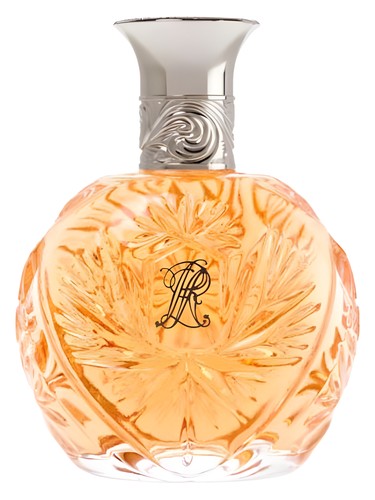
The pros are significant: many praise its timeless appeal and classic character, noting suitability for professional environments and its distinctive bottle design (that pith helmet cap remains instantly recognizable). Those who wore Safari in their youth often express genuine fondness, appreciating it as an "understated workhorse scent."
The cons, however, are pointed. "Feels dated by modern standards" appears repeatedly. Many report that blind buying based on childhood memories leads to disappointment—the fragrance they remember seems diminished. Reformulation concerns dominate discussions, with wearers noting weakened longevity and performance compared to vintage bottles. Some find it simply doesn''t flatter their personal chemistry, and the polarizing bottle shape (beloved by some, dismissed by others) adds to the mixed reception.
How It Compares
Safari occupies interesting territory alongside its listed similarities: Magie Noire by Lancôme, Paloma Picasso, Knowing by Estée Lauder, Samsara by Guerlain, and Coco by Chanel. These are the bold, unapologetic fragrances of the 1980s and early 1990s—compositions that favored character over mass appeal. Where Knowing leans oakmoss-heavy and Magie Noire goes darker and more mysterious, Safari distinguishes itself through that aggressive green-aromatic profile. It''s arguably the freshest of this group, the most overtly herbaceous, and the least conventionally feminine.
The Bottom Line
Safari represents a specific moment in fragrance history when boldness was currency and fragrances wore their wearers rather than the reverse. That 4.14/5 rating from over 3,000 voters indicates genuine quality, even if the more critical Reddit community scores it lower at 6.2/10. This gap likely reflects the difference between those who love what Safari is versus those expecting it to be something it''s not.
Should you try Safari? Yes, if you appreciate aromatic-green fragrances and understand you''re engaging with a time capsule. Vintage bottles command premium prices for good reason—they reportedly deliver the performance modern formulations can''t match. Current formulations offer accessibility and that distinctive Safari character at lower price points, though with potentially diminished longevity.
Skip Safari if you''re seeking soft florals, sweet comfort, or contemporary freshness. This is a fragrance that demands you meet it on its own terms. For those willing to engage with an unapologetic green aromatic from an era when such things dominated counters, Safari remains a compelling, well-constructed scent that refuses to apologize for its existence.
AI-generated editorial review