First Impressions
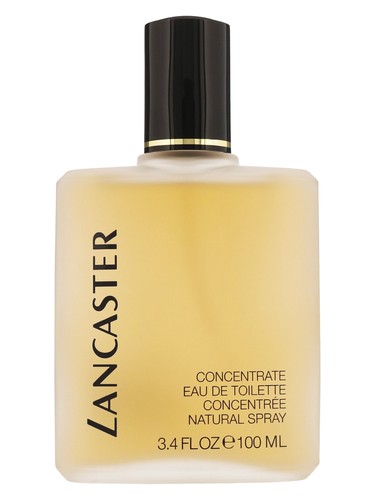
The first spray of Lancaster Eau de Concentree is a study in contradictions that shouldn''t work, yet does so with remarkable confidence. A wave of lavender arrives not as the soft, soapy whisper you might expect, but as a bracing herbal statement bolstered by thyme and basil. There''s an almost medicinal sharpness here, tempered immediately by the citric brightness of bergamot and neroli. This is no gentle introduction—it announces itself with the conviction of a fragrance that knows exactly what it is, even if what it is defies easy categorization. Within moments, coriander adds its peculiar green-spicy warmth, while African orange flower lends an indolic richness that hints at the amber foundation waiting below. It''s aromatic, yes, but aromatic in the way a Mediterranean hillside is aromatic: complex, sun-warmed, alive.
The Scent Profile
The heart reveals Lancaster''s true ambition. As those assertive herbs begin to soften, a quartet of white florals emerges—jasmine, tuberose, mimosa, and geranium—each contributing something essential to the composition. The tuberose adds creamy richness without tipping into the overtly sensual; the mimosa brings its characteristic powdery sweetness; jasmine provides white floral depth; and geranium offers a green, slightly rosy counterpoint that keeps everything from becoming too heavy. This middle phase is where the fragrance''s 48% white floral accord becomes apparent, yet it never dominates. Instead, these flowers seem to exist in service of the aromatic framework, adding texture and warmth rather than stealing the show.
The base is where everything clicks into place. Amber takes center stage (that 80% accord rating is well-earned), supported by a classic 1980s foundation of sandalwood, patchouli, and oakmoss. The incense note weaves through like fragrant smoke, adding a resinous quality that amplifies the amber''s golden glow. Vanilla softens the edges without sweetening excessively, while civetta (civet) adds an animalic warmth that was far more common in 1987 than today. The result is a base that feels simultaneously vintage and surprisingly wearable—powdery at 55%, woody at 68%, but always coherent. This is amber done the old-fashioned way, with depth and staying power that modern reformulations often sacrifice for accessibility.
Character & Occasion
Here''s where Lancaster Eau de Concentree reveals its most intriguing quality: despite being an amber-dominant fragrance weighted heavily toward fall (100%) and winter (95%), it registers as daywear 98% of the time. This is practically unheard of for fragrances in this category. The aromatic opening is the key—those herbs and spices provide a freshness (69% fresh spicy accord) that makes this substantial composition feel appropriate for daylight hours. It''s sophisticated office wear, museum-visit perfume, lunch-with-intention scent.
The spring rating of 59% makes sense; this could absolutely work on cooler spring days when you want substance without heaviness. That summer score of only 37% is equally telling—the amber and incense base, while beautiful, can feel too enveloping when temperatures climb. This is a fragrance that wants a bit of chill in the air to truly shine.
As for the wearer, Lancaster positioned this as feminine in 1987, but the aromatic intensity and woody base would read as perfectly unisex today. It suits someone who appreciates complexity, who doesn''t need their fragrance to announce itself from across the room, and who has the confidence to wear something that requires a bit of understanding.
Community Verdict
With a rating of 4.29 out of 5 from 379 votes, Lancaster Eau de Concentree has clearly found its admirers despite being relatively under-the-radar. This is a strong score, particularly for a fragrance that''s now over 35 years old and doesn''t benefit from current production or marketing. Those who discover it seem to genuinely appreciate what it offers—this isn''t a fragrance accumulating middling scores from disappointed buyers. The 379 votes suggest a dedicated following rather than mass awareness, which tracks for a discontinued scent that requires some hunting to experience.
How It Compares
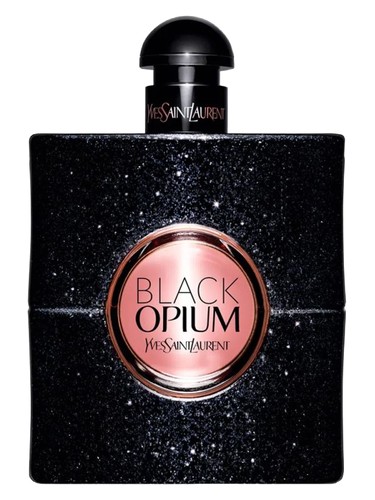
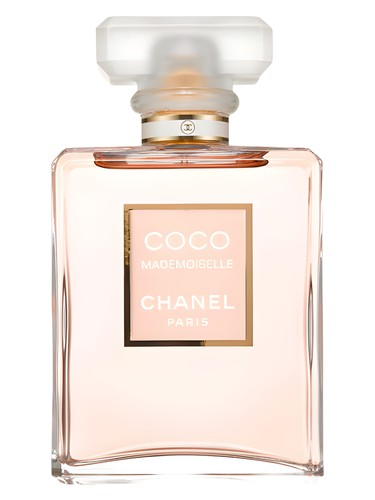
The comparison to Aromatics Elixir by Clinique is perhaps most apt—both share that aromatic-amber DNA with herbal openings and substantial bases. Obsession''s spicy amber warmth operates in a similar register, though Lancaster feels less aggressively sensual. Roma by Laura Biagiotti offers another point of comparison in the aromatic-woody-amber triangle. What distinguishes Lancaster is its particular herbal cocktail and its remarkable ability to wear lighter than its composition suggests. Where Magie Noire goes darker and Jil Sander No. 4 goes more obviously floral, Lancaster maintains its aromatic identity throughout the entire development.
The Bottom Line
Lancaster Eau de Concentree is a fragrance that shouldn''t have been forgotten, yet quietly has been—at least outside circles of dedicated perfume archaeology enthusiasts. That 4.29 rating tells you this is no mediocre relic; it''s a genuinely accomplished composition that happened to come from a brand better known for skincare than perfumery. The value proposition is tricky given its discontinued status, but if you can find it at reasonable prices on the secondary market, it''s absolutely worth exploring. This is for the person who feels most commercial ambers are too sweet, most aromatics too sharp, and most daytime fragrances too forgettable. Lancaster found a middle path that still feels distinctive decades later—no small achievement.
AI-generated editorial review