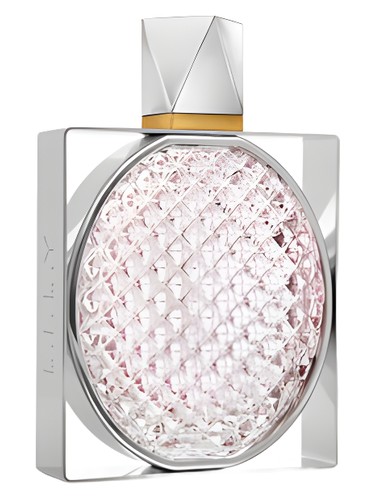
First Impressions
The first spritz of Stella McCartney''s L.I.L.Y delivers an immediate contradiction. Where the name promises delicate white florals—perhaps something crisp and dewy—the opening instead presents pepper and truffle, an unexpected earthy-spicy duo that signals this isn''t your typical lily composition. There''s a rawness here, an almost subversive quality that immediately distinguishes it from the sweet, innocent lily fragrances that dominate department store counters. This is lily reimagined through a fashion designer''s lens: unconventional, slightly avant-garde, and decidedly modern.
The Scent Profile
The truffle and pepper opening is bold, almost confrontational. Black pepper provides sharp, crackling heat while truffle adds an umami-rich depth that''s distinctly earthy—even slightly fungal in the most intriguing way. This is not a composition designed to whisper; it announces itself with authority. For those expecting immediate floral prettiness, these opening moments require patience and an open mind.
As the top notes settle, lily-of-the-valley finally emerges at the heart, joined by pink pepper that bridges the spicy opening to the floral core. But this isn''t lily-of-the-valley as a solo artist commanding center stage. Instead, it''s woven into a complex tapestry where the white floral accord registers at 70%—present and beautiful, but never dominating. The pink pepper adds a softer, fruitier spice that tempers the sharper black pepper from the opening, creating a nuanced middle phase that oscillates between green floralcy and warming spice.
The base is where L.I.L.Y truly reveals its character. Oakmoss and patchouli create a profoundly earthy foundation—the data doesn''t lie when it rates the earthy accord at 100%. This is soil and forest floor, moss-covered stones and damp bark. Musk and ambrette add a skin-like quality that reads at 85% muskiness, creating a tactile, almost intimate drydown. The patchouli, registering at 55%, is earthy rather than sweet, complementing rather than competing with the moss. Together, these base notes ground the lily so firmly in the earth that the fragrance feels almost geological—stratified, complex, and enduring.
Character & Occasion
L.I.L.Y is overwhelmingly a spring fragrance, with 93% of wearers identifying it as the ideal season. This makes intuitive sense: spring is when earth awakens, when fresh green shoots push through soil, when the air carries both floral promise and earthy petrichor. The fragrance captures this transitional moment perfectly—neither fully floral nor completely woody, but somewhere beautifully in between.
Fall comes in second at 54%, and here too the logic holds. The mossy, patchouli-rich base echoes autumn''s dampness, that rich loamy smell of leaves decomposing and forests preparing for dormancy. Summer wearers (42%) might appreciate it for cooler evenings, though the earthy intensity could feel heavy in true heat. Winter, at just 19%, isn''t really L.I.L.Y''s territory—it lacks the warmth and sweetness typically craved in cold months.
This is decidedly a daytime fragrance, with 100% day rating versus just 28% for night. The earthy-musky character feels too grounded, too natural for evening glamour. This is a fragrance for gallery openings, weekend markets, creative workspaces, and countryside walks. It''s for the woman who pairs tailored pieces with worn-in boots, who values texture over shine, authenticity over polish.
Community Verdict
With a rating of 3.61 out of 5 from 540 votes, L.I.L.Y occupies interesting middle ground. This isn''t a universally beloved crowd-pleaser, nor is it a polarizing avant-garde experiment. The rating suggests a fragrance that rewards understanding—those who connect with its earthy, grounded approach seem genuinely appreciative, while those seeking conventional lily beauty might feel disappointed. The relatively substantial vote count indicates healthy awareness and trial, though it hasn''t achieved blockbuster status. This is a niche sensibility from a mainstream designer, which may explain both its devoted following and its measured reception.
How It Compares
The listed similar fragrances reveal interesting territory. Chance Eau de Toilette and Coco Mademoiselle from Chanel suggest a shared modern femininity, while Narciso Rodriguez For Her points to the musky, skin-like qualities they share. The comparison to Flowerbomb by Viktor&Rolf seems more about category (white florals) than actual scent profile—Flowerbomb is far sweeter and more explosive. Crystal Noir by Versace shares some earthy sensuality, though it leans darker and more amber-rich.
What distinguishes L.I.L.Y is its commitment to earthiness over sweetness. Where many contemporary white florals add vanilla, praline, or fruit to ensure approachability, Stella McCartney chose truffle, oakmoss, and patchouli. It''s a bolder, more naturalistic choice that aligns with the brand''s ethical, eco-conscious philosophy.
The Bottom Line
L.I.L.Y asks a question: what if we brought lily-of-the-valley down from its pedestal and planted it firmly in the ground? The result is a fragrance that''s intellectually compelling even when it''s not conventionally pretty. That 3.61 rating reflects honest complexity—this isn''t easy beauty, but for those who appreciate texture, earthiness, and unexpected contrasts in their fragrances, it offers genuine rewards.
This is worth exploring for anyone who finds typical white florals too sweet, too clean, or too predictable. If you''ve loved the musky intimacy of Narciso Rodriguez or appreciate fragrances that smell like nature rather than perfume counters, L.I.L.Y deserves your attention. It''s particularly suited to spring and fall wardrobes, daytime wear, and anyone whose aesthetic values the worn-in over the pristine.
Just don''t expect traditional lily prettiness. Expect something earthier, stranger, and ultimately more memorable.
AI-generated editorial review