First Impressions
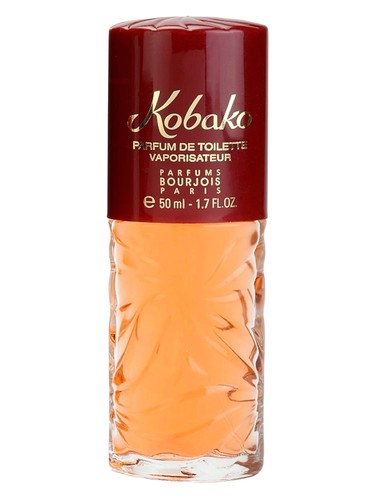
The first spray of Kobako transports you to a vanity table in 1936 Paris, where a cloud of aldehydes mingles with the unexpected warmth of cinnamon and the sharp clarity of citruses. This isn''t the polite, sanitized aldehydic opening of modern interpretations—it''s brash, sparkling, and unapologetic. Within seconds, you understand that Bourjois wasn''t playing safe when they launched this fragrance. The aldehydes fizz like champagne caught mid-pour, while that cinnamon note adds an almost Oriental intrigue that keeps you from categorizing Kobako as just another white floral. There''s a prickling sophistication here, an old-world glamour that feels both meticulously constructed and wildly alive.
The Scent Profile
The opening act is all about contrast. Those aldehydes create the signature soapy-clean effervescence that defined luxury perfumery in the 1930s, but the cinnamon spice and citrus brightness prevent any stuffiness. It''s like watching a perfectly coiffed woman reveal a flash of red lipstick—proper, but with an edge.
As Kobako settles, the heart reveals why white floral sits at 100% in its accord profile. This is a full-throated bouquet: jasmine and gardenia provide creamy sweetness, while lily and magnolia add their cool, green facets. Rose contributes a classic romantic touch, and iris—that most elegant of flowers—lends its rooty, powdery sophistication. The composition doesn''t showcase each flower individually; instead, they blur together into a unified white floral wall that feels both opulent and slightly overwhelming in the best possible way. This is maximalist perfumery, layered and lush.
But here''s where Kobako earns its complexity: the base notes arrive with primal force. Civet, ambergris, and musk create an animalic foundation (77% accord strength) that pulls those pristine white florals down into something far more provocative. The civet especially—that famously dirty, skin-like note derived from glands—adds a feral quality that transforms the entire composition. What could have been merely pretty becomes magnetic and unsettling. The musk (76% accord strength) amplifies this effect, creating warmth and intimacy, while ambergris provides marine depth and longevity. The powder accord (57%) manifests as vintage cosmetic dust, the kind you''d find in a grandmother''s compact, adding to Kobako''s unmistakable old-Hollywood personality.
Character & Occasion
The data suggests Kobako works across all seasons, and there''s truth to that versatility—though with caveats. This is a substantial fragrance, one with presence and sillage. In summer, you''d want a light hand; those white florals and animalic base notes can become overwhelming in heat. Spring and fall seem ideal, where the composition has room to breathe without wilting or becoming cloying. Winter wear is certainly possible, especially for evening, though Kobako lacks the heavy balsamic or gourmand warmth typically associated with cold-weather scents.
Interestingly, the day/night data shows 0% for both categories—likely indicating too few votes to register, rather than unsuitability for either. Based on the composition itself, Kobako leans evening. That animalic intensity and aldehydic sparkle feel more cocktail hour than coffee break. This is a fragrance for someone who appreciates vintage aesthetics and isn''t afraid of attention. It''s unabashedly feminine in the classical sense—floral, powdery, glamorous—but that civet base gives it an edge that transcends simple prettiness.
Community Verdict
With 681 votes landing at 3.7 out of 5, Kobako sits in respectable territory. This isn''t a universally adored masterpiece, but it''s clearly resonating with a dedicated contingent. That rating makes sense: vintage fragrances with prominent animalic notes tend to polarize. For those accustomed to modern clean musks and transparent florals, Kobako''s civet-heavy base might register as too strong, too dirty, or too much. But for vintage enthusiasts and those seeking authentic pre-reformulation compositions, that 3.7 represents a gem worth discovering. The vote count itself—nearly 700 people taking the time to rate a fragrance from 1936—speaks to Kobako''s enduring relevance and the curiosity it still generates.
How It Compares
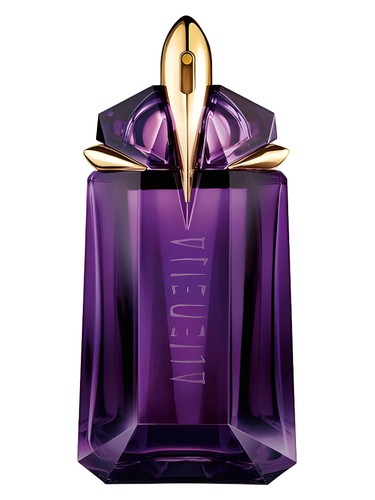
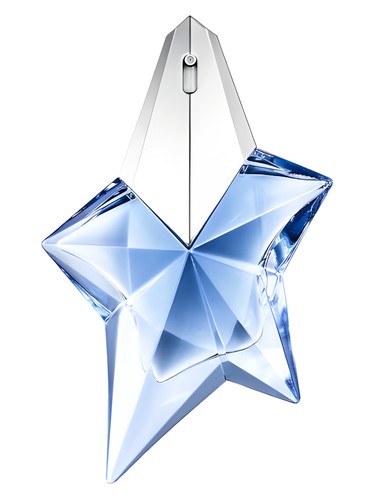
Kobako shares DNA with several notable fragrances. The comparison to Lanvin''s Arpège makes immediate sense—both are classic French white florals with aldehydic sparkle and substantial animalic bases. Maroussia by Slava Zaitsev and Vanderbilt by Gloria Vanderbilt represent similar old-school opulence. More surprising are the mentions of Alien by Mugler and Organza by Givenchy, both modern powerhouses. What connects them is intensity and refusal to whisper—these are fragrances that announce themselves.
Where Kobako distinguishes itself is in its historical authenticity. While Arpège might be better known, Kobako offers a similarly constructed experience at what''s likely a more accessible price point. It occupies a sweet spot for collectors: recognizable enough to have community data, rare enough to feel like a discovery.
The Bottom Line
Kobako isn''t for everyone, and that''s precisely what makes it interesting. This is challenging perfumery from an era when fragrances weren''t focus-grouped into inoffensive submission. The white floral-animalic combination requires confidence to wear and patience to appreciate. If your fragrance wardrobe leans entirely modern and clean, Kobako might shock your system.
But for those drawn to vintage character, to perfumes that smell like actual ingredients rather than abstract concepts, this 1936 Bourjois creation deserves attention. That 3.7 rating undersells its appeal to the right wearer. Track down a sample if you can—Kobako rewards curiosity with a genuine time-travel experience, aldehydes and civet intact.
AI-generated editorial review