First Impressions
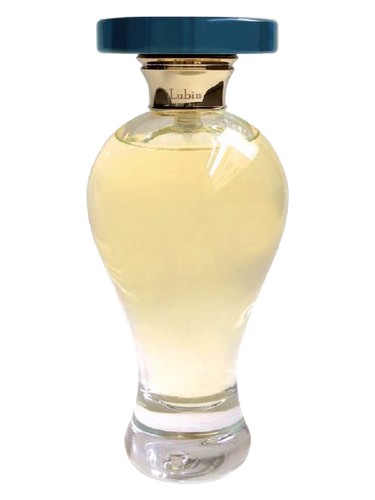
The name promises destiny, and Lubin''s Kismet arrives with the kind of immediate presence that feels preordained. The opening spray delivers a burst of sparkling citrus—bergamot and lemon dancing with the bitter-green clarity of petitgrain—that feels less like a conventional fresh start and more like sunlight refracting through amber. This is no fleeting citrus cologne destined to disappear within minutes. Instead, there''s an almost tangible weight beneath the brightness, a whisper of resinous warmth that announces its amber heart from the very first moment. It''s a fragrance that wears its dual nature proudly: luminous yet grounded, bright yet unmistakably opulent.
The Scent Profile
Kismet''s evolution unfolds with the kind of seamless grace that speaks to masterful composition. Those opening notes—bergamot, lemon, and petitgrain—create an effervescent citrus halo that feels both classic and purposeful. The petitgrain adds a slightly bitter, woody-green dimension that prevents the opening from veering into simple cheerfulness. This isn''t about fresh-scrubbed morning optimism; it''s about illumination with depth.
As the citrus begins its graceful retreat, the heart reveals itself with remarkable richness. Bulgarian rose and rose de mai bring a full-bodied floral presence that''s distinctly rosy without being saccharine or old-fashioned. But it''s the patchouli that does the heavy lifting here, providing an earthy, slightly smoky foundation that grounds the roses in something more complex than simple prettiness. This isn''t a soliflore rose composition; it''s a rose wrapped in shadows and earth, sophisticated and knowing.
The base is where Kismet truly announces its amber pedigree. Opoponax—that honeyed, balsamic resin—mingles with labdanum''s leathery amber warmth and Bourbon vanilla''s creamy sweetness. The result is a base that feels simultaneously ancient and timeless, like precious resins burned in some forgotten temple. The vanilla here doesn''t dominate or turn the composition gourmand; instead, it softens the resinous edges just enough to make the whole thing wearable, even approachable, while maintaining its essential opulence.
Character & Occasion
With its dominant amber accord (scoring a perfect 100%) balanced by substantial citrus (95%), Kismet occupies an unusual space in the fragrance landscape. It''s classified for all seasons, and this makes perfect sense once you experience how the composition breathes. The citrus opening provides enough brightness for warmer months, while the balsamic, amber-heavy base offers the warmth and richness that cooler weather demands.
The data shows no strong lean toward either day or night wear, and this versatility feels intentional rather than indecisive. Kismet possesses enough sophistication for evening occasions—that amber-vanilla-labdanum base certainly has the depth and sensuality for dimly lit dinners—yet the citrus-rose interplay keeps it from feeling too heavy or overtly seductive for daytime wear. Think of it as a fragrance for transitions: the golden hour, the shift from office to evening, the moments when you want to feel both polished and present.
This is decidedly a feminine composition in its marketing, but the woody (55%) and balsamic (67%) accords give it enough structure and depth to transcend simplistic gender categories. It''s for someone who appreciates classic perfumery but wants something with more personality than a safe crowd-pleaser.
Community Verdict
Here''s where the narrative becomes more enigmatic. Despite a solid rating of 4.21 out of 5 from 362 votes—indicating general approval and quality—Kismet seems to have flown somewhat under the radar in broader fragrance conversations. The Reddit fragrance community data reveals no substantial discussion, no clear consensus, no passionate advocates or detractors emerging from the discourse. This silence is itself telling.
In an era where new releases generate immediate and voluble opinions, Kismet''s quiet reception suggests it may be a fragrance appreciated by those who discover it rather than actively sought by those chasing the latest release. It''s a sleeper, perhaps—admired by its wearers but not generating the kind of buzz that creates waves in online communities. Whether this reflects the fragrance itself or simply the overcrowded nature of the modern perfume market remains an open question.
How It Compares
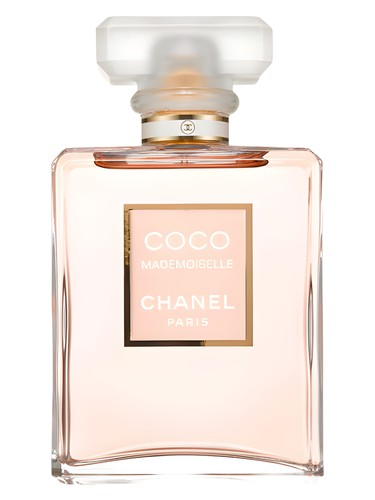
The list of similar fragrances reads like a who''s who of amber-oriental classics: Shalimar, Chanel''s Coromandel, Coco, Dior''s Dune, and Lubin''s own Akkad. This places Kismet firmly in distinguished company, suggesting it shares DNA with some of perfumery''s most enduring compositions. Like Shalimar, it balances bright citrus against resinous warmth. Like Coromandel, it marries patchouli with vanilla in sophisticated harmony. But where those fragrances have become iconic reference points, Kismet offers a more contemporary interpretation—perhaps lighter, more wearable, less deliberately provocative than its spiritual siblings.
Within Lubin''s own portfolio, its kinship with Akkad makes sense; both explore the territory of sophisticated, resinous amber compositions. But Kismet''s stronger rose-citrus presence gives it a brighter, more immediately accessible character.
The Bottom Line
Kismet earns its 4.21 rating honestly. This is a well-constructed fragrance that delivers exactly what its note pyramid promises: a luminous amber composition with genuine depth and respectable longevity. It won''t revolutionize your understanding of perfumery, but it will wrap you in a confident, sophisticated aura that works across multiple contexts.
The lack of widespread community discussion might actually work in its favor for certain wearers—those seeking something distinctive without being deliberately niche or challenging. If you''re drawn to the amber-oriental family but find Shalimar too heavy or Coromandel too patchouli-forward, Kismet offers a balanced middle path. It''s fate for those who appreciate the classics but want something slightly less traveled, a destiny written in amber and citrus rather than ink.
AI-generated editorial review