First Impressions
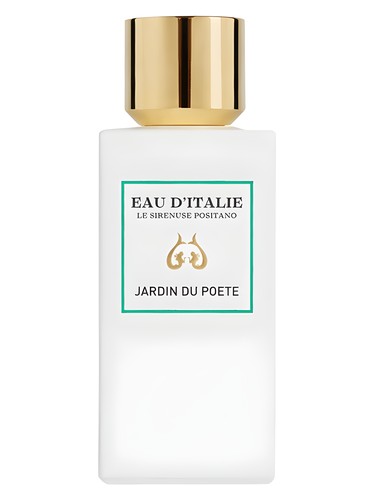
The first spray of Jardin du Poete transports you directly to the sun-bleached terraces of the Amalfi Coast, where herb gardens meet citrus groves in a haze of Mediterranean heat. This is not the sweet, tourist-postcard version of Italy—it's the authentic, slightly wild landscape where basil grows leggy between stones, and bitter orange trees drop their fruit unharvested onto warm earth. The opening is bracingly fresh, almost austere in its brightness, with grapefruit and bitter orange creating a tart, slightly astringent introduction that refuses to pander to conventional prettiness. Basil adds an unexpected green sharpness, more culinary than floral, grounding the citrus in something earthy and real. This is a fragrance that announces itself with confidence, demanding attention rather than seeking approval.
The Scent Profile
Jardin du Poete unfolds with the linear clarity of a Mediterranean afternoon—everything visible, nothing hidden in shadow. The top notes deliver exactly what they promise: basil, bitter orange, and grapefruit form a triumvirate of brightness that dominates the composition's first thirty minutes. The basil is particularly striking, bringing an herbal, almost peppery quality that prevents the citrus from veering into simple freshness. The bitter orange provides structure, its zest and pith both present, while grapefruit adds a sparkling effervescence.
As the heart emerges, the composition takes on greater complexity without losing its essential clarity. Angelica introduces a slightly green, almost gin-like quality—aromatic and cleansing. Immortelle, that curious note that can recall everything from curry to dried flowers to sun-warmed hay, appears here in its most restrained incarnation, adding a subtle warmth and a whisper of something golden without overwhelming the green-citrus framework. Pink pepper provides gentle spice, more textural than hot, creating tiny sparkles throughout the middle development.
The base notes anchor this bright composition without weighing it down. Cypress brings its characteristic resinous, coniferous quality—woody but green, reminiscent of Italian garden pathways lined with columnar trees. Vetiver adds an earthy, slightly smoky foundation, while musk provides a clean, skin-like finish that keeps the fragrance close rather than projecting boldly. The drydown retains the memory of that initial citrus burst, now softened and warmed by wood and musk, like the lingering scent of crushed herbs on your fingertips hours after leaving the garden.
Character & Occasion
This is a fragrance that knows exactly what it is: a daytime composition for warm weather, unapologetically specific in its application. The data speaks clearly—100% summer appropriate, with strong performance in spring (86%), but dropping dramatically in fall (12%) and winter (3%). This isn't a fragrance that adapts to cooler weather; it belongs to sunshine and heat.
Similarly, Jardin du Poete is emphatically a daytime scent (100% day versus a mere 7% night), and this specificity should be embraced rather than mourned. Wear this to outdoor lunches, garden parties, weekend markets, or simply as an antidote to air-conditioned offices during summer months. It's the olfactory equivalent of linen clothing—crisp, fresh, slightly rumpled by afternoon, but always appropriate.
While marketed as feminine, the aromatic and woody elements make this highly wearable for anyone drawn to fresh, herbal compositions. The relatively low musky accord (60%) and minimal sweetness mean it reads as refreshing rather than traditionally pretty or romantic.
Community Verdict
With a solid 4.1 out of 5 rating from 464 voters, Jardin du Poete has found its audience—those who appreciate well-executed citrus-aromatic compositions that prioritize authenticity over mass appeal. This isn't a blockbuster rating, but for a niche fragrance with such specific seasonality and occasion parameters, it represents genuine appreciation from those who understand what it's trying to achieve. The substantial number of voters suggests this is more than a cult curiosity; it's a fragrance that has proven itself over time since its 2011 release.
How It Compares
The comparisons to Hermès's garden fragrances—particularly Un Jardin en Méditerranée and Un Jardin Sur Le Nil—are apt. All three share that transparent, naturalistic approach to capturing specific landscapes through scent. Where the Hermès offerings might have slightly more polish and refinement, Jardin du Poete feels earthier, more rustic, with that prominent basil note giving it a distinctly culinary edge.
The inclusion of Tauer's L'Air du Desert Marocain, Amouage's Epic Woman, and Lalique's Encre Noire in the similar fragrances list speaks to shared elements—the aromatic herbs, the vetiver, the sense of place—though each travels to very different destinations. Jardin du Poete sits comfortably in this company as the brightest, most overtly summery option, lacking the mystical depth of the Tauer or the gothic darkness of the Encre Noire.
The Bottom Line
Jardin du Poete is a fragrance that succeeds precisely because it doesn't try to be everything to everyone. It captures a specific mood, place, and moment with clarity and conviction. The 4.1 rating reflects honest appreciation rather than universal adoration, which feels appropriate for something this unapologetically seasonal.
For those who love citrus-aromatic compositions, who find themselves reaching for fresh scents even in the depths of summer heat, or who simply want something that smells genuinely Mediterranean rather than vaguely "fresh," this is absolutely worth exploring. It won't be your only fragrance, but it might become your most-reached-for bottle between May and September. The unknown concentration suggests this may lean toward eau de toilette territory in terms of longevity, but for a daytime summer scent, moderate staying power is often ideal—refreshing rather than overwhelming, present but not insistent.
This is intelligent, unpretentious perfumery that trusts you to appreciate nuance over novelty. If your fragrance wardrobe has room for poetry, let it be this poet's garden.
AI-generated editorial review