First Impressions
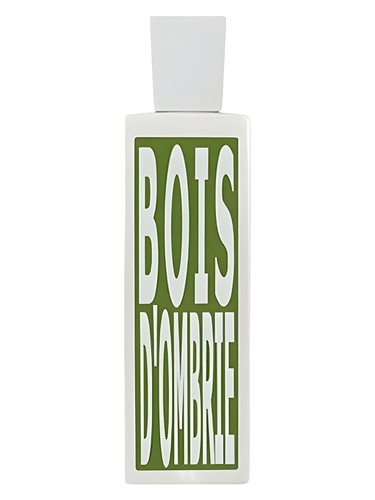
The first spray of Bois d''Ombrie delivers an immediate contradiction: spirits and earth, refinement and wildness. There''s cognac here, yes, but also something vegetal and slightly bitter—the carrot and calamus creating an unexpected herbal quality that keeps the boozy opening from tipping into dessert territory. This isn''t the sort of fragrance that announces itself with a smile; it arrives with a knowing glance, complex and unapologetically dense. Within minutes, the whiskey accord mingles with that cognac, creating a rounded alcoholic haze that feels less like a bar and more like a wood-paneled library where someone''s been smoking cigars for decades.
What strikes you immediately is how Eau D''Italie positioned this as a feminine fragrance in 2006—a time when women''s perfumes still largely lived in floral and fruity territory. This opening feels designed to challenge expectations, to announce that femininity can smell like aged spirits and earth-darkened roots.
The Scent Profile
The evolution of Bois d''Ombrie unfolds like a slow walk through the Umbrian forests that inspired its name. Those opening notes—cognac, whiskey, carrot, and calamus—create a distinctive prelude that''s both aromatic and slightly medicinal. The carrot note, unusual in perfumery, adds an earthy sweetness that''s vegetable rather than fruity, while calamus (sweet flag) brings a spicy, almost ginger-like bite that cuts through the spirit''s warmth.
As the fragrance settles into its heart, leather emerges as the central character. This isn''t the clean, suede-like leather of modern fragrances; it''s burnished and substantial, the kind you might find on old book bindings or a well-worn saddle. Orris root—that most refined and expensive of perfume materials—adds a powdery, slightly woody elegance that softens the leather''s edges without domesticating it. The copahu balm, a South American resin, brings a sweet, woody-balsamic quality that begins building the bridge to the base.
The foundation is where Bois d''Ombrie truly reveals its ambition. Tobacco and vetiver form the backbone—the tobacco sweet and slightly honeyed, the vetiver earthy and grounding. Incense weaves through with its resinous smoke, while patchouli adds depth and darkness. Opoponax and myrrh, both ancient resins, create a golden, amber-like warmth that gives the entire composition its glow. This is a base that lingers for hours, developing and shifting as it interacts with skin chemistry, revealing new facets as the day progresses.
Character & Occasion
The data tells a clear story: Bois d''Ombrie is an autumn and winter fragrance, and the community has spoken definitively on this point. With fall rating at 100% and winter at 69%, this is a cold-weather companion through and through. The woody, amber, and warm spicy accords that dominate the composition simply make more sense when there''s a chill in the air. Spring comes in at 44%—entirely plausible for cool spring evenings—while summer trails at just 20%. This is not a fragrance that plays well with humidity and heat.
Interestingly, it skews more toward daytime wear (77%) than evening (56%), which speaks to its sophistication rather than its projection. This isn''t a nightclub fragrance; it''s for the person who wants to smell interesting during a gallery opening, a business meeting, or a long afternoon spent reading in a café. The complexity rewards close attention—this is a fragrance for intimate settings rather than crowded rooms.
Despite being marketed as feminine, the dominant woody accord (100%) and heavy tobacco and leather presence make this genuinely unisex. Anyone drawn to earthy, resinous, amber-heavy fragrances will find something to love here, regardless of how it was originally categorized.
Community Verdict
With a rating of 3.93 out of 5 based on 480 votes, Bois d''Ombrie sits in that interesting sweet spot: well-regarded by those who''ve tried it, but not universally adored. This is exactly the kind of rating you''d expect for a niche fragrance with a challenging profile. It''s not trying to please everyone, and the rating reflects that honest specificity. Nearly 500 people have weighed in—a respectable number for a niche release from 2006—suggesting that it maintains a dedicated following nearly two decades after its release.
The rating indicates a fragrance that rewards those who seek it out, rather than one that charms at first spray. This is perfumery for grown-ups, and the community seems to appreciate that ambition even when they don''t personally reach for it every day.
How It Compares
The list of similar fragrances reads like a who''s who of sophisticated, complex compositions: Timbuktu by L''Artisan Parfumeur shares that dry, woody character; Black Orchid by Tom Ford brings similar dark opulence; Histoires de Parfums'' 1740 Marquis de Sade explores comparable leather and tobacco territory; Shalimar provides the amber and balsamic warmth; and Amouage''s Jubilation XXV Man shares the rich, resinous complexity.
What distinguishes Bois d''Ombrie in this company is its Italian sensibility—there''s an elegance and restraint here that prevents it from becoming as bombastic as some of its comparisons. Where Black Orchid goes full drama, Bois d''Ombrie maintains composure. It''s sophisticated rather than showy.
The Bottom Line
Bois d''Ombrie deserves its near-4-star rating. It''s a thoughtfully composed, beautifully balanced fragrance that successfully translates the atmosphere of Umbrian forests into a wearable form. The combination of unusual notes—carrot, calamus, copahu balm—alongside perfumery classics demonstrates real creativity rather than formula-following.
Should you try it? If you''re drawn to woody, amber, or leather fragrances; if you appreciate tobacco and incense notes; if you want something genuinely different for cold weather—absolutely. If you prefer fresh, light, or conventionally feminine fragrances, this probably isn''t your destination. But for those willing to explore beyond the mainstream, Bois d''Ombrie offers a journey worth taking, one spray at a time.
AI-generated editorial review