First Impressions
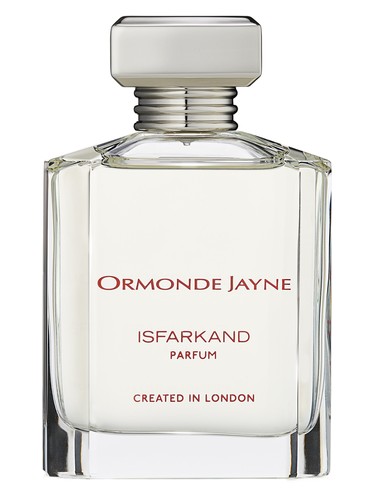
The first spray of Isfarkand delivers an electric jolt of citrus that feels more like squeezing fresh limes over sun-warmed cedar than anything resembling traditional femininity. This is Linda Pilkington at her most iconoclastic—a 2005 release that dared to label itself feminine while embracing a profile that leans decidedly toward the territory typically reserved for men''s fragrances. The lime leads with assertive brightness, supported by mandarin orange and bergamot, while pink pepper adds a crackling, almost effervescent quality. It''s a greeting that announces itself clearly: this is not your conventional floral bouquet.
What makes this opening remarkable is its refusal to soften or apologize. The citrus accord registers at full intensity (100% according to accord analysis), but rather than the sweet, candied citrus common in women''s perfumery, Isfarkand opts for something greener, sharper, more architectural. It''s the kind of opening that makes you straighten your posture.
The Scent Profile
As Isfarkand settles into its heart, the composition reveals its structural genius. Cedar emerges as the backbone—not the pencil-shaving sweetness sometimes encountered, but a drier, more substantial woodiness that accounts for the fragrance''s 79% woody accord rating. This is where iris enters, though not in its powdery, lipstick-like incarnation. Instead, the iris here reads as rooty and earth-touched, bridging the gap between the bright citrus opening and the grounded base notes to come.
The interplay between cedar and iris creates what might best be described as a aromatic tension—the 47% aromatic accord manifesting as a kind of herbal greenness that prevents the composition from becoming too austere. There''s an earthy quality (42% accord strength) threading through the middle phase, giving Isfarkand a almost meditative quality, as if you''re walking through a minimalist Japanese garden rather than a florid European parterre.
The base reveals vetiver and oak—two materials that push the fragrance firmly into unisex territory, if not outright masculine by conventional standards. The vetiver brings its characteristic smoky, slightly bitter earthiness, while oak adds depth and a subtle tannic quality. This foundation explains why Isfarkand holds a 3.93 out of 5 rating across 431 votes: it''s a fragrance that demands you meet it on its own terms rather than conforming to expectations of what a "feminine" perfume should be.
Character & Occasion
The data tells a clear story about Isfarkand''s natural habitat: this is overwhelmingly a warm-weather fragrance, with 95% summer suitability and 93% spring appropriateness. Those numbers make perfect sense—the citrus-forward opening and woody-fresh character practically demand sunshine and open air. Fall registers at 50%, suggesting it can work in transitional weather, while winter''s mere 16% confirms this is no cold-weather comfort scent.
The day/night breakdown is even more decisive: 100% day-appropriate versus just 30% for evening wear. Isfarkand is a fragrance for productivity, for movement, for daylight hours. Picture it for weekend brunches, gallery visits, summer workdays when you want to feel polished but not precious. The citrus brightness and earthy woods create an aura of effortless capability.
Despite its feminine designation, this fragrance would suit anyone drawn to citrus-woody compositions with backbone. The soft spicy element (36%) and modest sweetness (25%) prevent it from becoming harsh, but make no mistake—this isn''t trying to be pretty or seductive in conventional ways.
Community Verdict
The Reddit fragrance community approaches Isfarkand with positive sentiment, scoring it 8.2 out of 10—a strong showing based on 58 opinions. However, there''s an interesting confusion in the community data: reviewers praise "Perseus" (a Parfums de Marley release) while discussing what appears to be Isfarkand''s profile. This mix-up aside, the genuine Isfarkand appreciators consistently highlight excellent longevity and performance in warm weather, describing it as bright, citrusy, and woody with modern versatility.
The most telling consensus? It''s considered an underrated gem deserving more recognition. The cons reveal that some find it divisive without articulating clear reasons—often the hallmark of a polarizing but quality fragrance that doesn''t pander to mainstream tastes. The comparison issues with alternatives like Terre d''Hermès suggest Isfarkand occupies challenging territory: sophisticated enough to warrant comparison with respected designers, but perhaps too unconventional to achieve blockbuster status.
How It Compares
The similar fragrances list reads like a who''s who of refined citrus-woody compositions: Terre d''Hermès, Encre Noire, Un Jardin Sur Le Nil, and Tauer''s L''Air du Desert Marocain. What this tells us is that Isfarkand plays in the same league as some of perfumery''s most respected minimalist compositions—fragrances that prize quality of materials and compositional restraint over pyrotechnics.
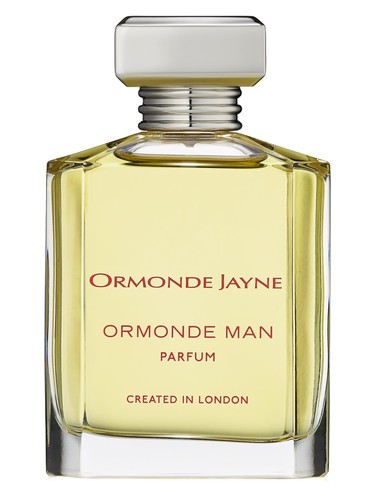
Against Terre d''Hermès, Isfarkand offers more pronounced citrus and less mineral earthiness. Compared to the green darkness of Encre Noire, it''s significantly brighter and more approachable. Its listing alongside Ormonde Man from the same house confirms that Pilkington drew from a similar woody-fresh palette across gender lines.
The Bottom Line
Isfarkand''s 3.93 rating across 431 votes suggests a fragrance that rewards those who seek it out but won''t appeal to everyone—and that''s precisely its strength. This is perfumery for people who appreciate restraint, who want their citrus with substance rather than sugar, who don''t need their fragrance to announce gender or seduce strangers.
At nearly two decades since its 2005 release, Isfarkand remains relevant precisely because it never chased trends. If you''re drawn to fragrances like Terre d''Hermès but want something less ubiquitous, or if you appreciate Ormonde Jayne''s house style of luxurious minimalism, Isfarkand deserves your attention. Best worn during warm months when its citrus-cedar harmony can truly shine, this is a fragrance for the confidently understated.
AI-generated editorial review