First Impressions
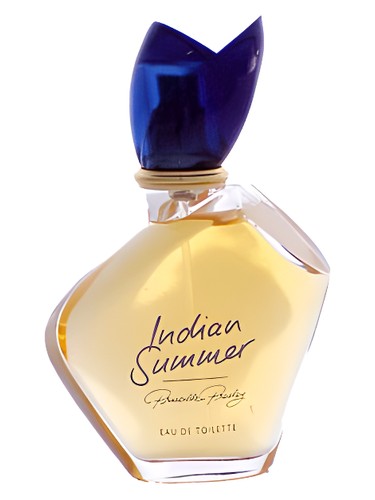
The first spray of Indian Summer transports you to a sun-drenched citrus grove in October—that peculiar intersection where summer''s brightness hasn''t quite surrendered to autumn''s introspection. Mandarin orange and Amalfi lemon burst forth with an unabashed freshness that feels both vintage-nineties and oddly timeless. This is citrus with confidence, the kind that doesn''t apologize for its optimism. For those first fifteen minutes, you might think you''ve discovered a forgotten gem from the era when celebrity fragrances still swung for the fences rather than played it safe with focus-grouped blandness.
But Indian Summer has secrets. And like its namesake season—that deceptive warmth before the cold truly settles in—this fragrance holds surprises that will either enchant or alienate you.
The Scent Profile
The opening salvo of citrus is as straightforward as the accord data suggests: this is 100% citrus character, gleaming and tart. The mandarin provides sweetness while the Amalfi lemon adds that distinctive Mediterranean brightness, slightly floral at the edges, clean as morning light on marble. This phase is where Indian Summer earns its admirers, where the technical craftsmanship shines through with appealing clarity.
As the citrus begins its inevitable fade, violet, lotus, and rose emerge in the heart. The violet brings that distinctive powdery-green quality that registers strongly in the accord profile (83% violet, 71% powdery)—it''s not the candied violet of some fragrances but something more natural, almost leaf-like. The lotus adds an aquatic-floral whisper, while the rose provides classical femininity without overwhelming. This middle phase represents the fragrance at its most balanced, where the 88% floral accord harmonizes with the lingering citrus.
But then comes the drydown, and here''s where Indian Summer earns its 6.5 out of 10 sentiment score. Tea and Virginia cedar form the base, and this is where that 76% woody accord and 63% green accord converge into something distinctly... divisive. The tea note—which could provide ethereal lightness—instead seems to amplify a savory, almost vegetal quality in the cedar. This is the infamous celery note that haunts community discussions, an aromachemical effect that transforms the fragrance into something unexpectedly kitchen-adjacent. It''s not unpleasant in a technical sense, but it''s decidedly unconventional, producing what one might generously call "produce aisle character."
Character & Occasion
The data tells a fascinating story about when this fragrance finds its moment. With fall scoring 87% and summer at 58%, Indian Summer truly lives up to its name—it''s built for transitional weather, for those days when you''re not quite sure which season you''re inhabiting. Spring follows at 53%, while winter trails at a mere 22%, which makes perfect sense given the bright citrus opening and the overall green-woody profile.
This is decisively a daytime fragrance, scoring 100% for day wear versus just 36% for evening. The citrus brightness and that peculiar vegetal quality in the base simply don''t translate to night-time sophistication. Think farmers'' market brunches, outdoor luncheons, weekend errands when you want to smell interesting rather than seductive.
Who is this for? The community suggests those who enjoy unconventional woody scents, fragrance collectors seeking unique aromachemical blends, and anyone comfortable with polarizing compositions. This isn''t a crowd-pleaser. With a rating of 4.31 out of 5 from 458 voters, it''s clear that those who love it genuinely love it—but that respectable score likely masks a distribution of passionate fans and bewildered detractors.
Community Verdict
The Reddit fragrance community approaches Indian Summer with measured ambivalence, landing on a 6.5 out of 10 sentiment score that reflects genuine division. The pros are straightforward: the citrus notes deliver freshness and appeal, the aromatic complexity proves intriguing for those with adventurous tastes, and the longevity and projection perform admirably.
But the cons are unavoidable. That celery-adjacent, savory woody note in the drydown is consistently flagged as off-putting. The aromachemical profile—while technically interesting—doesn''t translate to universal wearability. The vegetal character that emerges creates what some describe as an almost edible quality, but in the wrong direction.
The community summary captures it perfectly: this is technically well-crafted, with an appealing opening that promises one experience before delivering something quite different. Some find this complexity intriguing; others consider it a betrayal of the sunny promise that citrus-violet opening makes.
How It Compares
The listed similar fragrances read like a greatest-hits compilation of feminine perfumery: Light Blue, Coco Mademoiselle, Samsara, Trésor, Noa. Yet Indian Summer occupies its own strange territory. Where Light Blue offers uncomplicated citrus-floral pleasure and Coco Mademoiselle provides polished sophistication, Indian Summer veers into experimental territory. It shares Noa''s interest in unconventional aromatics and Samsara''s willingness to be divisive, but that celery note sets it apart from all of them.
This is a celebrity fragrance from an era when such releases could still take risks, before market research smoothed every edge into mass appeal.
The Bottom Line
Indian Summer deserves its 4.31 rating from those who appreciate what it''s attempting, even if not everyone can wear it comfortably. This is a fragrance that demands your attention, then asks you to make a choice: embrace the unconventional or walk away.
If you''re curious about aromachemicals, if you find typical citrus-florals boring, if you''re building a collection that values interesting over universally liked, seek this out. The opening alone justifies a sample, and you might be among those who find the drydown fascinating rather than off-putting.
But know what you''re getting into. This isn''t Light Blue with better marketing. This is citrus that takes a hard left turn into the vegetable garden, and whether that''s a journey worth taking is intensely personal. For the adventurous, for collectors of the unusual, for those who can wear celery as confidently as rose—Indian Summer awaits.
AI-generated editorial review