First Impressions
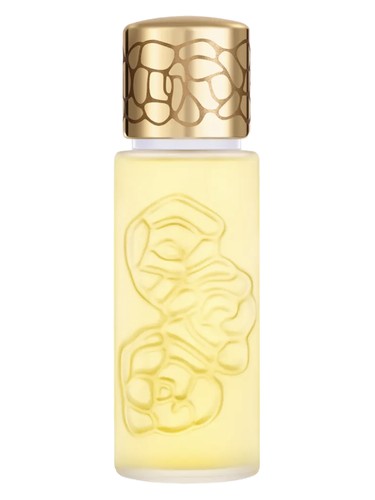
The first spray of Quelques Fleurs Royale feels like stepping into a sun-drenched conservatory where citrus trees bloom alongside jasmine vines. That initial burst of grapefruit and Sicilian bergamot cuts through the air with crystalline clarity, but it''s merely the opening act—a bright prelude to something far more opulent. Within moments, you sense the weight of what''s coming: a golden, honey-sweetened floral composition that manages to feel both timeless and surprisingly modern for a fragrance carrying such aristocratic lineage.
This is Houbigant''s 2004 reinterpretation of their legendary Quelques Fleurs, and it announces itself with confidence. There''s an immediate warmth here, a radiance that suggests this isn''t just another white floral in an oversaturated category. The honey accord—rated at 88% dominance by the fragrance community—makes itself known almost immediately, threading through those citrus notes like liquid amber catching the light.
The Scent Profile
The evolution of Quelques Fleurs Royale unfolds like a carefully choreographed performance. Those opening notes of grapefruit and bergamot provide just enough sharpness to prevent the composition from drowning in sweetness from the start. The citrus is bright but brief, a palate cleanser before the main course.
The heart is where this fragrance truly establishes its identity. White mimosa honey arrives first, and it''s not the cloying, candied sweetness you might fear. Instead, it''s a sophisticated nectar that acts as a binding agent for the florals to come. Indian tuberose takes center stage—accounting for that 68% tuberose accord rating—with its creamy, almost narcotic richness. But Houbigant tempers the tuberose''s potential bombast with Moroccan rose and Egyptian jasmine, creating a triumvirate of white florals that somehow never feels overwhelming.
This is the hallmark of the composition: restraint within opulence. Each floral note remains distinct yet harmonious, like singers in a well-trained choir. The jasmine adds a subtle indolic quality, that slightly animalic edge that prevents the fragrance from becoming too polite. The rose provides structure and a subtle powderiness that begins hinting at what''s to come.
The base notes ground this confection in something more lasting and sensual. Orris root brings that soft, powdery quality to full expression—reflected in the 81% powdery accord rating—adding an almost makeup-like elegance that perfume traditionalists will recognize and appreciate. Sandalwood and white musk create a creamy foundation, while amber adds warmth without tipping into heavy oriental territory. The dry down is surprisingly soft and intimate, a whisper compared to the heart''s full-voiced declaration.
Character & Occasion
The community data tells a clear story about when Quelques Fleurs Royale thrives: this is overwhelmingly a spring fragrance (90%), with strong fall credentials (83%) as well. That makes perfect sense. In spring, it mirrors the season''s own blooming exuberance, that honey-floral combination echoing what''s happening in nature. In fall, it provides a soft, comforting floral escape as the world turns cooler.
Winter wearability sits at 59%—respectable but not ideal. The fragrance has warmth but perhaps lacks the heavy, enveloping density that true cold-weather scents provide. Summer, at 48%, is the weakest season for Royale, and understandably so. This much honey and tuberose in high heat could feel cloying, though those with more restrained application might still pull it off on cooler summer evenings.
The day versus night split is fascinating: 100% for day wear, but still a solid 52% for night. This versatility speaks to the fragrance''s fundamental character—it''s refined enough for daytime office wear or brunch, yet has enough presence and depth for dinner or evening events. It''s not a wallflower, but neither is it a scene-stealer.
This is decidedly feminine in its traditional composition, appealing to those who appreciate classic white florals but want something with more personality than the typical department store fare. It''s for someone who understands fragrance history but doesn''t want to smell like a museum piece.
Community Verdict
With a rating of 4.15 out of 5 across 1,293 votes, Quelques Fleurs Royale has earned genuine respect from the fragrance community. This isn''t a niche darling with 50 cult followers inflating the numbers, nor is it a mass-market pleaser coasting on brand recognition. Over a thousand people have weighed in, and the consensus is clear: this is a very good fragrance.
That rating places it firmly in "worth exploring" territory. It''s not achieving the 4.5+ reserved for true masterpieces, but it''s well above the 3.5-3.8 range where merely competent fragrances languish. The substantial vote count also suggests longevity in the market—people are still discovering and rating this fragrance two decades after its release.
How It Compares
Houbigant positions this alongside their l''Original version, but the comparisons extend further into interesting territory. L''Instant de Guerlain shares that sophisticated honey-powder quality. Organza by Givenchy and Poison by Dior represent the same era of unapologetically rich, complex feminines. The Coco Mademoiselle comparison is perhaps the most intriguing—both offer accessible elegance, though Chanel''s creation leans fresher and more contemporary.
Where Quelques Fleurs Royale distinguishes itself is in that honey-tuberose combination. It''s sweeter than most modern white florals dare to be, yet the powdery aspects and quality florals prevent it from crossing into gourmand territory. It occupies a middle ground between vintage boldness and modern wearability.
The Bottom Line
Quelques Fleurs Royale succeeds at a difficult task: honoring a legendary heritage while creating something that doesn''t feel dated. At 4.15/5, it''s earning its place through quality and character, not nostalgia. The honey-forward white floral profile won''t appeal to those seeking minimalist transparency or aggressive projection, but for lovers of classic florals with substance, this is a bottle worth sampling.
Value is difficult to assess without knowing the concentration or typical retail price, but given Houbigant''s positioning as a heritage house rather than a luxury conglomerate, it likely offers reasonable pricing for the quality delivered. The longevity and sillage typical of honey and tuberose combinations suggest you''ll get good performance per spray.
Who should seek this out? Anyone who loves white florals but finds modern interpretations too watery. Those who appreciate honey notes but want them wrapped in elegant florals rather than vanilla and praline. Spring and fall dwellers looking for their signature scent. And anyone curious about how a house founded in 1775 interprets its own legacy for the 21st century.
This is royalty you can actually wear.
AI-generated editorial review