First Impressions
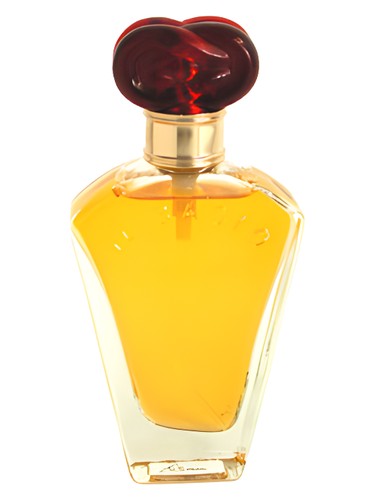
The name says it all: Il Bacio—"The Kiss" in Italian. And like any memorable kiss, this 1993 release from Borghese announces itself with immediate, unabashed intensity. The first spray unleashes a bouquet so lush it borders on theatrical—freesia and jasmine intertwine with honeysuckle, lily-of-the-valley, and rose in a white floral symphony that doesn''t apologize for its presence. This isn''t a whisper of flowers caught on a breeze; it''s an armful of blooms thrust into your arms by an admirer who believes subtlety is overrated. Within seconds, you understand you''re wearing something unapologetically feminine, something that belongs to the era when perfumes were designed to announce your arrival and linger in your wake.
The Scent Profile
Il Bacio''s opening is pure white floral dominance—the data confirms this accord registers at 100%, and your nose won''t argue. The freesia provides a peppery brightness that keeps the jasmine from becoming too indolic, while honeysuckle adds a nectar-sweet dimension. Lily-of-the-valley contributes its characteristic green freshness, and rose grounds the composition with a touch of classic refinement. It''s a crowded stage, certainly, but these flowers know how to share the spotlight.
The evolution into the heart reveals Il Bacio''s secret weapon: fruit. Not the sharp citrus commonly found in florals, but a quartet of softer, pulpier notes. Peach, melon, plum, and passionfruit emerge with surprising vibrancy, transforming what could have been a straight-ahead floral into something more playful and dimensional. This fruity accord clocks in at 96%—nearly as dominant as the flowers themselves—creating a sweet-tart interplay that keeps the composition from feeling too serious or dated. The passionfruit, in particular, adds an almost tropical quality that wasn''t common in early-90s releases.
As Il Bacio settles into its base, the composition reveals its traditional foundations. Musk and amber provide a soft, skin-like warmth, while Virginia cedar and sandalwood offer a woody framework that prevents all that floral-fruity exuberance from floating away entirely. This base doesn''t reinvent the wheel—it''s the classic powdery-musky-woody foundation you''d expect from this era—but it does its job with quiet competence, extending the wear time and adding a subtle sophistication to an otherwise bold statement.
Character & Occasion
Despite its intensity, Il Bacio proves surprisingly versatile across the calendar. The community data reveals it performs strongest in spring (75%) and fall (67%), which makes perfect sense—it has the floral brightness spring demands and the cozy warmth fall requires. But interestingly, it scores nearly equally for winter (54%) and summer (54%), suggesting an adaptability you might not expect from such an assertive fragrance. The key lies in application: a light hand in warmer months, a more generous spray when temperatures drop.
Day/night versatility is equally impressive, with 100% day approval but a respectable 68% for evening wear. This is the rare white floral that transitions seamlessly from a business lunch to dinner out, though it leans distinctly more polished professional than seductive evening creature. Think power meetings and celebratory brunches rather than intimate candlelit dinners.
Who is Il Bacio for? Someone who appreciates the full-bodied florals of the 90s but wants the fruit notes to keep things approachable. Someone confident enough to wear a fragrance that will be noticed. And perhaps someone with a touch of nostalgia for an era when perfumes didn''t apologize for being perfume-y.
Community Verdict
With a solid 4.02 rating from 420 votes, Il Bacio has earned genuine respect from those who''ve experienced it. This isn''t a cult favorite with seventeen devotees giving it perfect marks—it''s a fragrance that has convinced over four hundred people it deserves better than average scores. For a perfume that''s now over three decades old and comes from a brand better known for cosmetics than fragrance blockbusters, that''s noteworthy. The rating suggests a composition that delivers on its promises without revolutionary innovation—competent, enjoyable, and well-executed within its category.
How It Compares
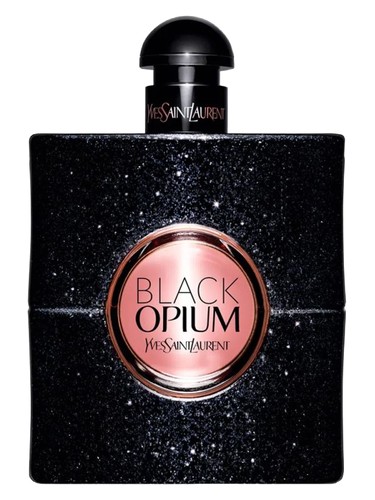
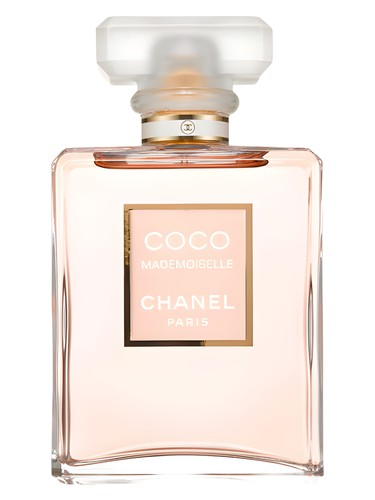
Il Bacio sits comfortably alongside some serious heavy-hitters. The similar fragrances list includes J''adore by Dior, Amarige by Givenchy, Trésor by Lancôme, Poeme by Lancôme, and Poison by Dior—a lineup that reads like a greatest hits collection from the golden age of French femininity. Compared to these powerhouses, Il Bacio offers a slightly softer, fruitier interpretation of white floral opulence. It lacks J''adore''s polish and Poison''s darkness, but it also avoids their potential to overwhelm. Think of it as the more approachable Italian cousin to those French sophisticates—equally well-dressed, but more likely to laugh loudly at dinner.
The Bottom Line
Il Bacio isn''t trying to revolutionize perfumery, and that''s precisely its charm. This is a well-crafted white floral-fruity fragrance that understands its assignment and executes beautifully. At 4.02 stars, it''s not achieving perfection, but it''s delivering consistent satisfaction—the kind of fragrance you reach for when you want something reliably lovely without overthinking it.
The value proposition is excellent, particularly on the secondary market where Borghese fragrances often appear at remarkably accessible prices. For anyone curious about 90s white florals but intimidated by the price tags on the designer legends, Il Bacio offers an entry point that won''t disappoint. It''s also worth exploring for those who already love this style but want something slightly less ubiquitous than the mainstream classics.
Should you try it? If you appreciate any of those similar fragrances, absolutely. If you''re curious about vintage-style white florals but want the fruit to soften the edges, definitely. And if you''ve ever wondered what an Italian kiss smells like when translated to fragrance—well, now you know: it''s generous, a little sweet, unmistakably romantic, and utterly unafraid to make an impression.
AI-generated editorial review