First Impressions
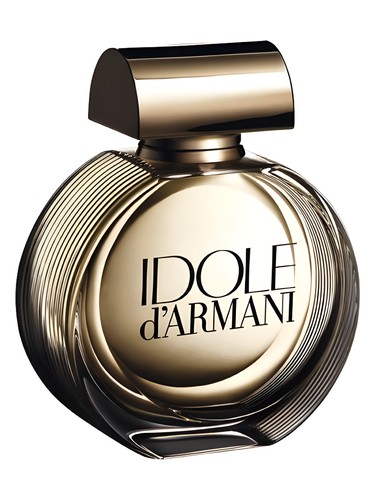
The first spray of Idole d''Armani announces itself with an almost jarring contradiction. Your nose meets a kaleidoscope of ginger-sparked clementine and bitter orange, their brightness tempered immediately by the golden viscosity of honey and the subtle nuttiness of almond. This isn''t the clean, linear citrus opening you might expect from an Armani flanker—it''s something more baroque, more deliberately complex. The artemisia weaves through like a sophisticated thread of herbal bitterness, preventing the pear and honey from tipping into cloying territory. Within moments, you understand this is a fragrance designed to intrigue rather than seduce at first sight, a composition that demands your attention and rewards those willing to explore its layered personality.
The Scent Profile
Idole d''Armani''s evolution reveals a masterclass in balance that explains both its devoted following and its polarizing nature. Those opening notes—the collision of ginger''s heat, pear''s succulence, and the dual citrus brightness of clementine and bitter orange—create what can only be described as an opulent fruit compote laced with spice. The honey acts as both sweetener and binder, while the almond provides an almost marzipan-like richness that some will find comforting, others perhaps too gourmand for their tastes.
As the fragrance settles into its heart, saffron emerges as the pivotal player. This isn''t saffron as mere accent; it''s a bold, leathery, almost metallic presence that transforms the composition entirely. The jasmine and rose, classic Armani signatures, provide a floral framework that feels simultaneously traditional and modernized by the saffron''s exotic influence. This middle phase represents the fragrance''s most distinctive moment—where fruity sweetness meets warm, almost savory spice in a way that feels genuinely original rather than derivative.
The base brings unexpected gravitas. Vetiver and patchouli anchor the composition with earthy, woody depth, while styrax adds a resinous, balsamic quality that gives the fragrance surprising staying power. This foundation transforms what could have been a fleeting fruity-floral into something with genuine structure and longevity. The interplay between the sweet, spicy top and this woody-resinous base creates that fascinating duality captured in the accord data: simultaneously fresh and warm, citrus-bright yet deeply comforting.
Character & Occasion
The community has spoken decisively about Idole''s ideal habitat: this is a cold-weather companion first and foremost. Its strongest showing in fall (100%) and substantial winter preference (82%) make perfect sense when you consider that honeyed fruit and saffron combination—these are notes that bloom in crisp air, that feel appropriate against cashmere and wool rather than linen and cotton. The steep drop-off in summer suitability (26%) confirms what your instincts might tell you: this isn''t a fragrance that breathes well in humidity.
Interestingly, while it performs respectably during daytime hours (83%), it truly comes alive in evening settings (89%). There''s something about Idole''s complexity and richness that benefits from lower light, from cocktail conversations rather than conference calls. This is a fragrance for the woman who wants her scent to be a topic of discussion, who isn''t afraid of projection and presence.
The fruity-sweet dominant accords (100% and 92% respectively) combined with that substantial fresh-spicy element (81%) create a profile that skews sophisticated rather than youthful, cosmopolitan rather than casual. This isn''t a crowd-pleaser in the conventional sense—it''s too distinctive, too deliberately composed for universal appeal—but that''s precisely where its charm lies.
Community Verdict
With 2,402 votes landing at a solid 3.8 out of 5, Idole d''Armani occupies that interesting middle ground that often indicates a fragrance with strong character. This isn''t a near-universal favorite scraping toward 4.5, nor is it a disaster languishing below 3.0. Instead, that rating suggests a perfume that resonates deeply with those who appreciate its particular alchemy while leaving others indifferent or unconvinced.
The substantial vote count indicates this fragrance built a meaningful following during its time on shelves, and the continued interest despite its discontinuation speaks to its memorable quality. These are the ratings of a fragrance that provoked genuine reactions—strong enough to inspire both advocacy and critique, distinctive enough that people felt compelled to register an opinion.
How It Compares
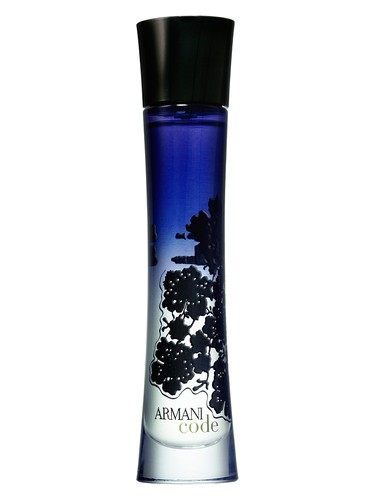
The comparison set reveals Idole''s ambitious positioning. Light Blue and Miracle represent the fresher, more accessible end of the spectrum—fragrances that share Idole''s brightness but not its complexity or spice. Angel and Coco Mademoiselle offer more relevant parallels: like Angel, Idole isn''t afraid of sweetness and unconventional combinations; like Coco Mademoiselle, it attempts a balance between freshness and depth. The inclusion of Armani Code for Women in the comparison set makes sense given the shared DNA, though Idole pushes further into fruity territory while Code emphasizes its oriental warmth.
Where Idole distinguishes itself is in that saffron-laced heart and the unusual marriage of honey-almond gourmand notes with crisp citrus. It occupies a niche between fruity-fresh crowd-pleasers and complex oriental compositions—not quite either, but borrowing the best elements of both.
The Bottom Line
Idole d''Armani represents a particular moment in perfumery when houses were willing to take risks with their flankers, to create compositions that challenged rather than simply extended a brand''s safe territory. Its 3.8 rating shouldn''t be read as mediocrity but as evidence of personality—this is a fragrance that knows exactly what it wants to be, even if that vision doesn''t appeal to everyone.
For those who find conventional fruity florals boring but aren''t ready for full oriental richness, Idole offers a compelling middle path. It deserves exploration from anyone who appreciates saffron, who enjoys the interplay of sweet and spicy, or who simply wants their cold-weather fragrance wardrobe to include something genuinely distinctive. While discontinued, it remains findable for those willing to hunt—and given its unique character, the search may well be worth the effort.
AI-generated editorial review