First Impressions
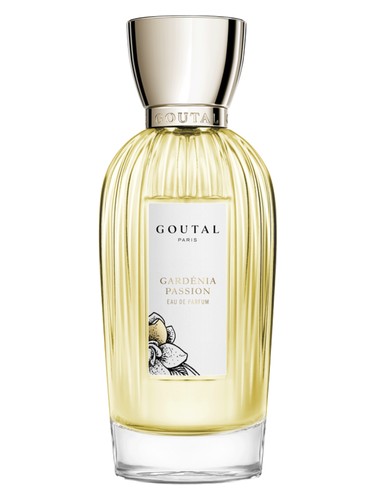
The first moments of Gardenia Passion are nothing short of a floral crescendo. This is not the demure gardenia of a corsage pinned delicately to a lapel—it''s gardenia in full bloom under a hot sun, its creamy petals opening with unabashed intensity. The spray releases a wave of white florals led by gardenia and jasmine that announce themselves with confidence, even defiance. There''s an immediate richness here, a lactonic creaminess that hints at the tuberose waiting in the wings. Since its 1989 launch, Goutal''s Gardenia Passion has occupied a particular space in the white floral landscape: not quite a soliflore, not quite a bouquet, but rather an unapologetic celebration of gardenia''s more complex, less polite characteristics.
The Scent Profile
The opening gambit of gardenia and jasmine sets a tone that''s both luxurious and slightly green. The gardenia note itself carries that characteristic waxy quality—think of running your fingers along a pristine white petal, feeling its substantial texture. The jasmine adds a touch of sharpness, cutting through what could otherwise become too heavy, too soon. This is gardenia without apology, presented in its full, heady glory.
As Gardenia Passion settles into its heart, the tuberose emerges alongside orange blossom, and this is where the fragrance reveals its true nature. The tuberose accord registers strongly at 37% of the overall composition, adding a narcotic quality that borders on the animalic (23% of the accord profile). This isn''t surprising—tuberose has always danced on that edge between floral purity and something more carnal, more human. The orange blossom provides a honeyed sweetness and a solar quality that keeps the composition from becoming too indolic, though it cannot completely tame the wild heart of this blend.
The base reveals vanilla as the sole listed note, and it serves a crucial function: softening the blow of all that white floral intensity. At 11% of the overall accord profile, the vanilla provides a creamy landing pad without turning the fragrance gourmand. There''s still enough of that animalic quality lingering through the drydown to remind you that this is a perfume with teeth, even as it wraps itself in sweetness.
Character & Occasion
Gardenia Passion is overwhelmingly a spring fragrance, with 80% seasonal affinity placing it squarely in that season of awakening blooms and warming air. Summer follows at 54%, which makes perfect sense—this is a perfume that thrives in warmth, where its white florals can truly expand and breathe. Fall (40%) and winter (33%) wearers exist but are decidedly in the minority, and understandably so. This is not a fragrance that wants to be bundled up; it wants skin, sun, and space to unfold.
The day/night split is equally telling: 100% day versus 49% night. Gardenia Passion is designed for daylight hours, for garden parties and spring lunches, for moments when its unabashed florality can feel appropriate rather than overwhelming. That said, the nearly 50% night rating suggests that for those who love bold white florals, evening wear is certainly viable—perhaps for warm summer nights or special occasions where you want to make an entrance.
This is decidedly feminine territory, and the fragrance makes no attempt to be otherwise. It''s for those who appreciate white florals in their most expressive form, who aren''t afraid of a perfume that projects confidence and presence.
Community Verdict
The community data reveals an interesting gap: while Gardenia Passion holds a respectable 3.81 out of 5 rating from 635 votes, specific Reddit discussion about this fragrance appears notably absent from current community conversations. This silence itself tells a story—Gardenia Passion exists in that space of vintage Goutal releases that may not generate the heated discussion of newer launches or cult classics, but maintains a steady following among those who seek it out. The mixed sentiment score suggests a fragrance that polarizes: you either appreciate its bold approach to white florals, or you find it too much. There''s rarely a middle ground with perfumes this committed to their vision.
How It Compares
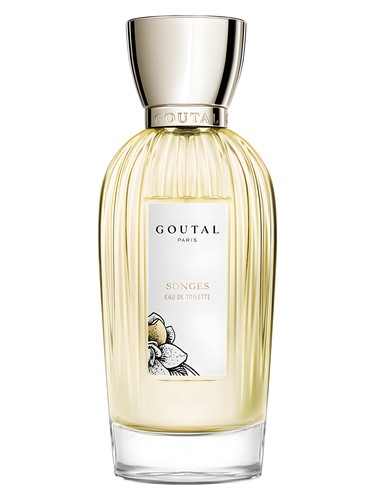
The similar fragrances list reads like a white floral hall of fame: La Chasse aux Papillons (also by Goutal), Fracas by Robert Piguet, Alien by Mugler, 24 Faubourg by Hermès, and Songes by Goutal. The Fracas comparison is particularly apt—both perfumes embrace tuberose''s more provocative qualities without apology. However, where Fracas leans into pure tuberose bombast, Gardenia Passion maintains focus on its titular flower, using tuberose as powerful supporting actor rather than solo star.
The presence of Alien on this list speaks to the animalic accord that runs through Gardenia Passion—that slightly unsettling, warm-skin quality that prevents it from being purely pretty. The two Goutal siblings (La Chasse aux Papillons and Songes) show the brand''s consistent hand with florals, though Gardenia Passion is arguably the boldest of the three.
The Bottom Line
Gardenia Passion occupies an interesting position in the contemporary fragrance landscape. At over three decades old, it represents a style of perfumery that feels both dated and refreshingly bold—an era when white florals weren''t afraid to take up space. The 3.81 rating from 635 voters suggests broad appreciation if not universal adoration, which feels appropriate for a fragrance this specific in its vision.
This is not a beginner''s white floral, nor is it trying to be. It''s for those who have already explored this category and want something with more depth, more edge, more personality than many modern interpretations offer. The animalic undertone and prominent tuberose ensure this will never be safe or boring, even as the vanilla base provides enough comfort to keep it wearable.
Should you try it? If you love gardenia, appreciate vintage perfume styles, and don''t mind a fragrance that announces your presence, absolutely. Just remember: Gardenia Passion earned its name honestly. This is florals with passion, intensity, and just enough impropriety to stay interesting.
AI-generated editorial review