First Impressions
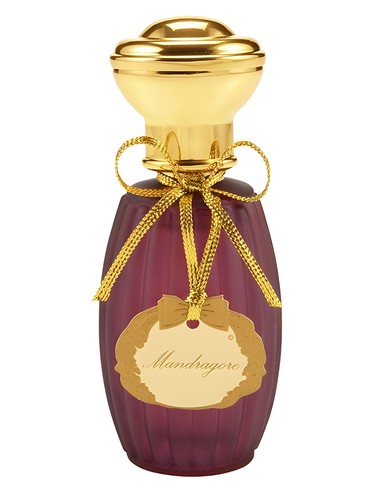
The first spray of Mandragore feels like stepping into a secret garden at twilight—not the rose-laden Victorian kind, but something wilder, more mysterious. There''s an immediate jolt of pepper-dusted bergamot that snaps to attention, bright and bristling with energy. This isn''t the soft, powdery femininity that dominated the fragrance landscape of 2009. Instead, Goutal dared to bottle something altogether more enigmatic: a perfume that draws its power from the apothecary shelf rather than the flower bed.
The name itself conjures images of the legendary mandragora plant, steeped in medieval folklore and witchcraft. While the actual mandrake root isn''t listed among the notes, the spirit of botanical alchemy permeates every moment of this composition. It''s green in the most sophisticated sense—not freshly cut grass or dewy leaves, but the verdant complexity of crushed herbs and aromatic stems.
The Scent Profile
Mandragore opens with a citrus-spice duet that immediately establishes its unconventional character. The bergamot provides brightness without sweetness, its slightly bitter edge amplified by a crackling pepper note that feels almost electric against the skin. This isn''t pepper as mere accent; it''s a full-throated declaration that this fragrance plays by different rules.
The heart is where Mandragore truly reveals its complexity. Star anise emerges with its distinctive licorice-like sweetness, but it''s tempered by a cooling mint that keeps the composition from tipping into gourmand territory. Ginger adds a subtle warmth and bite, while sage brings its grey-green, slightly camphoraceous quality to the blend. The iris here doesn''t parade itself as the powdery, cosmetic iris of so many perfumes; instead, it contributes a rooty, earthy facet that grounds the more volatile aromatics.
This herbal chorus is the soul of Mandragore—a carefully orchestrated collection of kitchen and garden plants that somehow transcend their humble origins to create something genuinely intriguing. The spices don''t shout; they whisper and weave around each other, creating a tapestry that''s fresh one moment, warm the next, always keeping you slightly off-balance in the best possible way.
As the fragrance settles into its base, boxwood and labdanum emerge to anchor the composition. The boxwood reinforces that distinctive green character—woody yet herbaceous, with an almost bitter edge that feels utterly contemporary. Labdanum provides depth and a subtle resinous sweetness, just enough to give the fragrance staying power without drowning out the aromatic brilliance of the earlier stages.
Character & Occasion
Mandragore is a chameleon, equally at home in spring''s crisp mornings, summer''s herb-scented afternoons, autumn''s contemplative coolness, and winter''s stark clarity. Its fresh spicy character—the dominant accord at full intensity—gives it remarkable versatility across the calendar. This is a fragrance that adapts rather than demands, making it an ideal companion for those who want a signature scent that doesn''t become monotonous.
Neither distinctly day nor night, Mandragore occupies that fluid space for the modern wearer who doesn''t compartmentalize their life into rigid categories. It''s perfectly appropriate for the office, yet interesting enough for dinner. It works with a crisp white shirt and tailored trousers, but also complements the casual ease of weekend wear.
This is a fragrance for the woman who''s comfortable in her own skin, who doesn''t need her perfume to announce her femininity through the usual channels of florals and fruits. It''s for the reader of philosophy, the lover of farmers'' markets, the person who seasons by instinct rather than recipe. While marketed as feminine, Mandragore''s aromatic-green character makes it genuinely unisex in spirit—a quality that feels more relevant now than ever.
Community Verdict
With a solid rating of 4.01 out of 5 from 1,797 votes, Mandragore has clearly resonated with a substantial community of wearers. This isn''t a polarizing fragrance that inspires extreme reactions; rather, it''s earned consistent appreciation from those who''ve encountered it. That near-universal approval suggests a composition that''s both distinctive enough to be interesting and wearable enough to be loved over time.
The voting numbers also indicate that Mandragore isn''t a forgotten gem—it''s a fragrance that continues to find its audience more than a decade after its release. In an industry obsessed with the latest launch, that kind of staying power speaks volumes.
How It Compares
Mandragore exists in the same botanical-adventurous territory as Hermès'' Un Jardin Sur Le Nil, sharing that love of green, aromatic notes over traditional florals. There''s a kinship with Serge Lutens'' Fille en Aiguilles in the unexpected approach to femininity, though Mandragore is decidedly less coniferous. The iris connection with Shalimar Parfum Initial is there, but where Guerlain''s creation drapes it in vanilla and powder, Goutal keeps it earthy and raw.
What sets Mandragore apart is its commitment to the herbaceous theme without compromise. While Kenzo Jungle L''Elephant plays with spice and greenness, it''s ultimately sweeter and rounder. Mandragore maintains its edge, that slightly bitter, aromatic quality that makes it uniquely compelling.
The Bottom Line
Mandragore represents Goutal at its most confident—a house willing to create a feminine fragrance that doesn''t pander to conventional expectations. It''s a reminder that "fresh" doesn''t have to mean aquatic, and "spicy" doesn''t require a detour through oriental clichés.
At its rating level, Mandragore sits comfortably in "very good" territory—not quite reaching the rarified air of masterpiece status, but solidly appreciated by those who value originality and wearability in equal measure. For anyone weary of the same florals and fruits, for those who find their spirit reflected in sage and pepper rather than rose and jasmine, Mandragore is absolutely worth seeking out. It''s not trying to seduce you with the obvious; it''s offering something more lasting—intrigue, complexity, and the quiet confidence of being genuinely different.
AI-generated editorial review