First Impressions
The first mist of Freya delivers an unexpected paradox: the crisp salinity of sea spray meets bright citrus sunshine, but there''s an immediate whisper of something deeper lurking beneath. This isn''t your typical aquatic floral that evaporates into pleasant nothingness. Instead, Oriflame''s 2002 release announces itself with confidence—a salty-fresh opening that somehow feels grounded, as if the ocean breeze is blowing through a forest rather than across open water. It''s this unusual juxtaposition that makes the initial spray so intriguing, hinting at the woody dominance that will eventually claim center stage.
The Scent Profile
Freya''s opening salvo combines sea notes with citruses in a way that feels more contemplative than exuberant. The marine aspect doesn''t scream "beach vacation"—it''s more subtle, like the minerality of air near coastal cliffs. The citrus element provides brightness without veering into sharp territory, creating an airy, crystalline quality that feels both refreshing and refined.
As the fragrance settles into its heart, a fascinating complexity emerges. Wildflowers bloom against a backdrop of green notes, creating a meadow-meets-coastline atmosphere that feels distinctly Nordic in character. The ginger adds an unexpected spicy warmth, preventing the composition from becoming too ethereal or detached. Rose and lily-of-the-valley weave through this verdant landscape, but they''re supporting players rather than stars—this is emphatically not a rose perfume dressed in marine clothing. The florals remain delicate, almost translucent, allowing the green and fresh aspects to maintain their prominence.
The base is where Freya truly distinguishes itself. Cedar, patchouli, and sandalwood form a triumvirate of woody warmth that gradually overtakes the fresh opening. This isn''t a subtle transition—the woody accord registers at maximum intensity in the fragrance''s DNA, and it shows. The cedar brings a pencil-shaving crispness, the patchouli adds earthy depth without turning gothic, and the sandalwood provides creamy smoothness. Together, they create a foundation that''s surprisingly robust for a fragrance that begins with such aquatic freshness. This evolution explains why Freya wears so well across cooler months despite its marine elements.
Character & Occasion
The community data reveals Freya''s remarkable versatility across seasons, with nearly equal preference for spring (71%), winter (65%), and fall (64%). Only summer lags behind at 36%—and this makes perfect sense once you experience the fragrance''s substantial woody base. This is a scent that thrives in transitional weather, when you want freshness without feeling underdressed for cooler temperatures.
It''s decidedly a daytime fragrance, rating 100% for day wear versus just 39% for evening. Freya possesses that rare quality of being noticeable without being demanding—perfect for professional settings, casual weekends, or any situation where you want to smell polished but approachable. The woody-fresh combination works beautifully for active days when heavier florals might feel cloying, yet it maintains enough sophistication for more formal daytime occasions.
This is a fragrance for someone who appreciates complexity but doesn''t want to work too hard to wear it. It suits the woman who''s equally comfortable in tailored blazers and weekend knits, who values quality over flash, and who might be pleasantly surprised that a catalog brand could produce something this well-constructed.
Community Verdict
With 1,238 votes yielding a 4.11 out of 5 rating, Freya has earned genuine respect from a substantial number of wearers. This isn''t a niche darling with fifty devotees—over a thousand people have weighed in, and the overwhelming majority find it worth rating highly. That''s particularly impressive for a fragrance from Oriflame, a brand that doesn''t command the prestige or price point of luxury houses. The rating suggests this is more than a pleasant surprise; it''s a legitimately good fragrance that holds its own regardless of its pedigree.
How It Compares
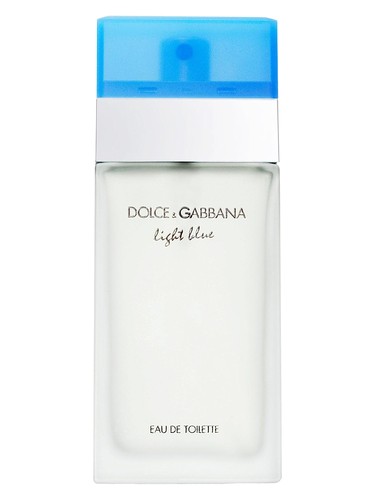
The comparison list reads like a who''s-who of successful woody-fresh feminines: Light Blue by Dolce & Gabbana, Dune by Dior, Euphoria by Calvin Klein, Eclat d''Arpège by Lanvin, and Midnight Poison by Dior. What''s striking is the range here—from the breezy approachability of Light Blue to the darker sensuality of Midnight Poison. This suggests Freya occupies interesting middle ground, sharing DNA with multiple fragrance families.
If Light Blue leans heavily into citrus-marine freshness and Dune explores sandy warmth, Freya splits the difference while emphasizing its woody character more than either. It''s less sweet than Euphoria, more grounded than Eclat d''Arpège, and far less gothic than Midnight Poison. Within this constellation of fragrances, Freya distinguishes itself through sheer wearability—it takes elements from several successful formulas and balances them into something cohesive and versatile.
The Bottom Line
Freya deserves more attention than its Oriflame lineage typically commands. A 4.11 rating from over 1,200 voters isn''t accidental—this is a well-crafted fragrance that delivers complexity, longevity, and versatility at what''s presumably an accessible price point. Its woody-fresh profile makes it a practical choice for the majority of the year, and its daytime-appropriate character ensures regular wear rather than special-occasion-only status.
Should you try it? Absolutely, if you appreciate fresh fragrances with substance, if you find typical aquatics too fleeting, or if you''re curious whether a catalog brand can compete with designer offerings. Freya proves that good perfumery isn''t exclusive to luxury houses. For those who''ve worn through bottles of Light Blue or Dune and want something in that universe but different enough to stay interesting, this Nordic siren deserves a listen.
AI-generated editorial review