First Impressions
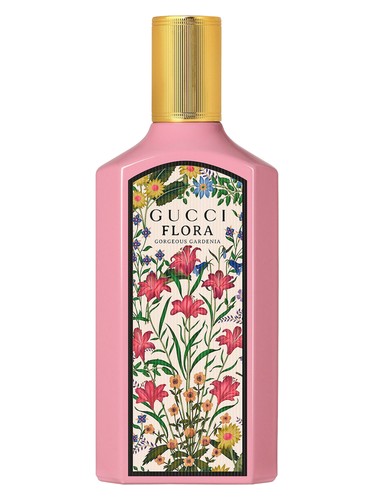
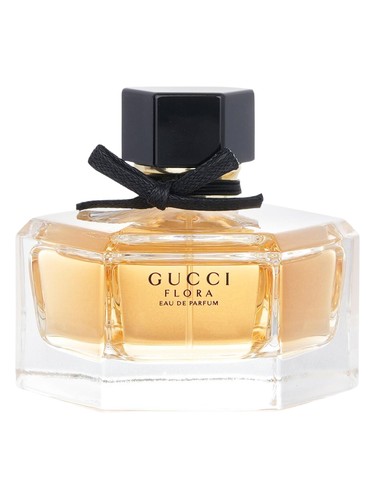
The first spritz of Flora by Gucci Eau de Parfum is like stepping into a spring garden just after dawn, when the air still holds a delicate crispness. There''s an immediate brightness—citruses and mandarin orange dancing with peony—that feels both optimistic and refined. But what sets this 2010 launch apart reveals itself within moments: a distinctive powdery quality that settles over the florals like fine silk chiffon. This isn''t the aggressive, attention-demanding fragrance that dominated the late 2000s. Instead, Flora announces itself with restraint, a choice that proved either inspired or divisive depending on who''s wearing it.
The opening contradicts expectations. Where you might anticipate sweetness from a fragrance bearing a botanical name, Flora offers something more nuanced. The peony note—notorious for its difficulty to capture in perfumery—reads fresh and slightly green, while the citrus accord provides lift without veering into sharp territory. That powdery element, present from the very first moment, is the fragrance''s signature move and its most polarizing feature.
The Scent Profile
Flora''s composition unfolds in three distinct movements, though the transitions are softer than many contemporary florals. The top notes of peony, citruses, and mandarin orange create an entrance that''s 72% citrus and 65% fresh according to its accord breakdown. The peony dominates here, its soft pink petals rendered with a slightly soapy cleanliness that some find elegantly retro and others may perceive as too demure.
As the fragrance settles into its heart, osmanthus and rose take center stage. This is where Flora truly establishes its identity. The rose isn''t the jammy, indolic variety found in Middle Eastern attars, nor is it the dewy garden rose of modern aquatic florals. Instead, it''s a cosmetic rose—refined, powdered, elegant in a distinctly European manner. The osmanthus contributes an unexpected fruity-apricot facet that registers in the 46% fruity accord, adding complexity without sweetness. Together, these heart notes create a composition that''s unapologetically feminine, achieving a 100% floral accord rating while maintaining sophistication.
The base of sandalwood and patchouli provides the necessary foundation, though it remains relatively quiet compared to the florals. The 37% woody accord keeps the fragrance from floating away entirely, grounding those powdery roses with earthy warmth. The patchouli reads clean rather than hippie-sweet, contributing to that overall sense of polished restraint. This base extends the wear time without dramatically shifting the character—Flora remains consistent from opening to dry down, a quality that loyalists appreciate and detractors find monotonous.
Character & Occasion
Flora by Gucci found its audience among those who appreciate subtlety. The data tells a clear story: this is a 100% daytime fragrance, though it maintains respectability at 52% for evening wear. The projection is intimate rather than expansive—you''ll notice it in the elevator, but probably not across the conference room.
Seasonally, Flora shines brightest in spring, with a 91% suitability rating that makes perfect sense given its garden-fresh character. Fall follows at 70%, where the sandalwood and patchouli base finds harmony with cooler weather. Summer (50%) and winter (48%) prove less ideal, though not impossible—the powdery quality can feel heavy in humidity and perhaps too delicate against winter''s bite.
This is a fragrance for the woman who''s secure enough not to announce her entrance. It suits professional environments where discretion matters, lunch dates in natural light, weekend errands that might turn into unexpected encounters. The intimate sillage makes it particularly appropriate for close-quarters situations—flights, long meetings, intimate dinners where you want your presence felt without overwhelming.
Community Verdict
The r/fragrance community awarded Flora a positive sentiment score of 7.5/10, based on eight detailed opinions—a solid if not ecstatic endorsement. The broader rating of 3.94 out of 5 from 4,210 votes confirms this middle-upper tier appreciation.
The pros are consistent: admirers celebrate the beautiful floral composition, particularly the interplay between rose and peony. The powdery accord that defines Flora earns praise for adding "warmth and elegance," with many considering it well-regarded within Gucci''s fragrance portfolio. Its versatility across occasions receives frequent mention.
The cons, however, are equally telling. That signature powdery opening "may not appeal to all users"—a diplomatic way of noting it can smell dated to those accustomed to modern fruity-florals. The soft projection that some find elegant, others experience as a limitation for daytime wear. Several reviewers noted Flora feels "understated compared to sweeter florals," which reads as criticism or compliment depending on your perspective.
The community consensus points toward specific use cases: evening wear, intimate occasions, and specifically for those who already know they love powdery florals and classic rose compositions. This isn''t a fragrance that converts skeptics—it rewards those who already appreciate its aesthetic.
How It Compares
Flora shares DNA with several modern classics: Bright Crystal by Versace, Chloé Eau de Parfum, Chance Eau Tendre by Chanel, Light Blue by Dolce & Gabbana, and J''adore by Dior. This peer group tells you everything about Flora''s positioning—these are accessible luxury florals that defined the late 2000s and early 2010s aesthetic.
Against Chloé, Flora reads more powdery and less dewy. Compared to the aquatic freshness of Light Blue, it''s decidedly more traditional. Where J''adore goes opulent and golden, Flora stays pink and restrained. It occupies a specific niche: sophisticated enough for luxury department stores, safe enough for corporate environments, feminine enough to feel special without alienating.
The Bottom Line
Flora by Gucci Eau de Parfum is a fragrance that knows exactly what it is and makes no apologies. That 3.94 rating from over four thousand voters represents genuine appreciation rather than passionate devotion—this is a very good fragrance, not a masterpiece, and there''s honor in that distinction.
The value proposition is straightforward: you''re getting a well-constructed floral from a luxury house that performs reliably in specific circumstances. It won''t turn heads across a room, but it will earn compliments from those close enough to notice the details.
Who should try it? Women who find modern fruity-florals too sweet, who remember when perfume was meant to be discovered rather than announced, who appreciate rose but want it refined rather than realistic. Those who list "powdery" as a compliment rather than criticism. Anyone building a professional wardrobe of fragrances who needs something elegant for spring days and intimate evenings.
Who should skip it? Fans of bold sillage, lovers of sweet gourmands, anyone seeking a signature scent that makes a statement. If the word "powdery" makes you think of old ladies rather than vintage glamour, Flora won''t change your mind.
At its heart, Flora by Gucci is a fragrance of quiet confidence—beautiful if you lean in close enough to notice, forgettable if you''re looking for something that announces itself. Sometimes, that''s exactly what you need.
AI-generated editorial review