First Impressions
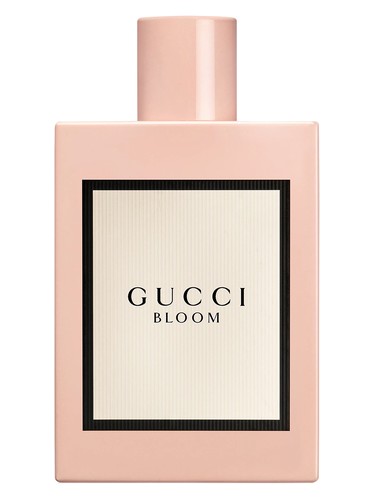
The first spray of Gucci Bloom is unapologetically floral—a concentrated burst of jasmine that announces itself without hesitation or subtlety. This isn''t the polite whisper of florals hiding behind citrus or bergamot; it''s a full-throated garden declaration from the moment it touches skin. The opening feels simultaneously fresh and heady, that particular quality of white flowers captured at their peak bloom, when their sweetness borders on overwhelming. There''s a green undertone present, lending just enough chlorophyll sharpness to keep the composition from tipping into cloying territory. Within seconds, you''ll know whether you''re in for a love affair or a swift breakup—Gucci Bloom demands an immediate verdict.
The Scent Profile
Unlike many contemporary fragrances that pirouette through elaborate note progressions, Gucci Bloom establishes its character quickly and holds firm. The jasmine top note is creamy and indolic, carrying that distinctive warmth that quality jasmine absolute provides. This isn''t a clean, laundered version of the flower—it''s the real thing, with all its narcotic richness intact.
As the fragrance settles into its heart, tuberose takes center stage with confidence. This is where Gucci Bloom reveals its true personality: the tuberose note is plush and full-bodied, occupying a commanding 56% of the accord profile. It''s buttery, almost waxy in texture, with that peculiar animalic edge (20% of the composition) that tuberose naturally possesses—a hint of something alive and breathing beneath the petals. The floral accord, unsurprisingly, dominates at 100% white floral intensity, making this a single-minded fragrance that knows exactly what it wants to be.
The base introduces Rangoon Creeper, an unusual note that many won''t recognize by name. This tropical vine flower adds a subtle honeyed quality and maintains the green thread (11% green accord) that keeps the composition from becoming entirely powder-puff sweet. There''s a whisper of fruitiness (7%) that reads more as floral ripeness than actual fruit. The development from top to base is notably linear—what you smell at minute five remains largely unchanged at hour three, though the projection softens considerably as wear continues.
Character & Occasion
The data tells a clear story: Gucci Bloom is spring''s fragrance, rating 100% for the season of garden parties and cherry blossoms. Summer follows at 58%, which makes sense given the fresh-green facets that keep it from feeling oppressive in warmer weather. Fall (41%) and winter (25%) see declining suitability—this isn''t a scent that craves cooler temperatures or cozy evenings.
With a day/night split of 91% day to 30% night, Gucci Bloom clearly belongs to sunlit hours. It''s a brunch fragrance, a daytime wedding guest scent, a spring office-appropriate choice. The relatively light projection after the initial spray means it won''t dominate a room during evening gatherings, where stronger sillage is typically welcome.
The fragrance targets those who embrace traditionally feminine florals without irony or apology. Its aesthetic skews toward garden tea parties, flowing dresses, and natural beauty rather than smoky clubs or power suits. Despite Alessandro Michele''s youth-culture vision for Gucci''s fashion, the perfume itself reads more mature than the runway clothes suggest.
Community Verdict
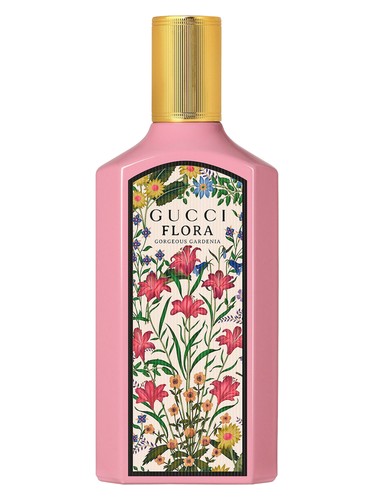
The Reddit fragrance community''s mixed sentiment (5.5/10) reveals the fundamental divide this perfume creates. Supporters praise its fresh, green floral character and find it inoffensive—a pleasant choice for those who genuinely love girly florals. The flankers, particularly Gorgeous Gardenia with its honey notes, receive warmer reception than the original.
But the criticism cuts deep. The tuberose note, so central to the composition, is repeatedly described as dated or old-fashioned. Multiple reviewers invoke the dreaded "old lady perfume" label, suggesting it''s unsuitable for younger wearers despite Gucci''s contemporary brand positioning. The polarizing jasmine-tuberose combination earns harsh descriptors: some find it reminiscent of rotting flowers or, less charitably, toilet cleaner.
Performance issues compound the divisiveness. Many note the fragrance''s linear nature—minimal development means what you smell initially is what you''ll smell until it fades, which happens relatively quickly. The quick transition to skin scent frustrates those expecting longevity from a luxury brand.
The consensus? Sample before you commit. This is emphatically a try-before-you-buy fragrance, best suited for spring occasions, garden settings, those who specifically adore tuberose and jasmine, older demographics comfortable with traditional florals, and situations where light projection is a feature rather than a bug.
How It Compares
Gucci Bloom sits alongside other white floral juggernauts: L''Interdit Eau de Parfum by Givenchy, Alien by Mugler, Pure Poison by Dior, J''adore by Dior, and Libre by Yves Saint Laurent. In this company, it''s notably greener and more tuberose-forward than the more universally appealing J''adore. It lacks Alien''s gourmand warmth and Libre''s lavender twist. Among its peers, Gucci Bloom is the purist—the most straightforward white floral statement, for better or worse.
The Bottom Line
With 9,994 votes averaging 3.77 out of 5, Gucci Bloom occupies a curious middle ground numerically while creating extreme reactions experientially. Few fragrances inspire such love-it-or-hate-it responses, and that polarization is itself telling.
Should you try it? Absolutely—if you''re a confirmed tuberose devotee who finds terms like "dated" and "traditional" to be compliments rather than criticisms. If you''ve loved classic white florals for decades and aren''t chasing trends, Gucci Bloom offers quality materials in a well-executed composition. For those under thirty or anyone who finds jasmine-heavy fragrances overwhelming, proceed with caution or explore the more universally appreciated flankers instead.
The value proposition is reasonable for designer pricing, assuming you accept the performance limitations. Just understand what you''re getting: a beautiful spring garden captured in a bottle, viewed through a distinctly nostalgic lens. Whether that''s poetry or a problem depends entirely on your olfactory point of view.
AI-generated editorial review