First Impressions
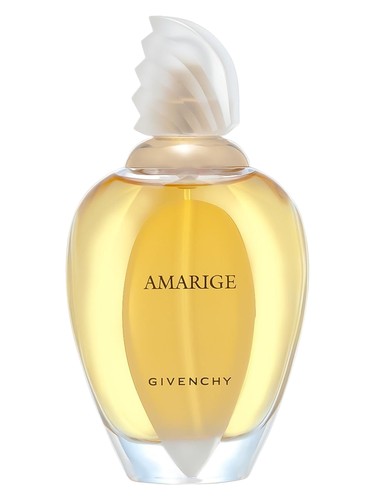
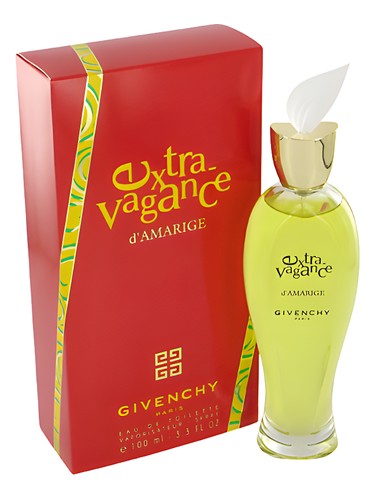
The first spray of Extravagance d''Amarige feels like walking into a conservatory after rain—but someone''s left a bowl of macerated strawberries on the potting bench. This is not the Amarige you know. Where the 1991 original announced itself with unapologetic white floral bombast, this 1998 flanker takes an unexpected detour through herbaceous, almost savory territory. Marigold—listed twice in the composition, as if to emphasize its importance—dominates with its peculiar tagetes pungency, that oddly medicinal greenness that hovers somewhere between garden herb and oddball spice. Nettle and violet leaf amplify this verdant intensity, while pink pepper adds a fizzy, almost transparent heat. This is Amarige filtered through a very specific late-90s lens, when perfumery was obsessed with making everything fresher, greener, more "modern."
The Scent Profile
The opening is uncompromisingly aromatic. That marigold note—earthy, slightly bitter, unmistakably green—sets a tone that many will find challenging. It''s not the marigold of autumn decorations but the crushed-leaf scent of tagetes, with its almost fruity-fermented undertone. The green mandarin adds citrus brightness without sweetness, while violet leaf contributes its cucumber-like coolness. Pink pepper, popular in late-90s compositions, provides a sheer, almost transparent spiciness that keeps the green notes from becoming too heavy.
Then comes the surprise: as the heart develops, strawberry emerges with unusual prominence. Not the candied strawberry of gourmands (which wouldn''t truly dominate perfumery for another decade), but something closer to strawberry leaf with hints of the fruit itself. It weaves through a more traditional floral bouquet of orange blossom, jasmine, and wisteria—these florals feel almost restrained compared to Amarige''s original floral fury. The wisteria adds a powdery-sweet delicacy, while orange blossom and jasmine provide just enough white floral DNA to maintain family resemblance.
The base is where Extravagance reveals its complexity. Strawberry persists—an unusual choice that gives this fragrance its distinctive sweet accord (rating 74% in the overall profile). Cedar and sandalwood provide woody structure, while iris adds its signature rooty-lipstick elegance. Amber rounds everything out with warmth, though it never becomes heavy or overtly sensual. The result is a fragrance that maintains its aromatic-green character (100% aromatic accord) even as it dries down, the balsamic qualities (57%) emerging gradually through the woods and amber.
Character & Occasion
This is decisively a spring fragrance—88% of wearers agree—and it makes perfect sense. That aggressive green opening, the floral-fruity heart, the relatively light base: this is built for renewal, for garden parties, for windows thrown open after winter. Summer claims 68% agreement, likely during cooler mornings or evenings when the aromatic intensity won''t overwhelm. Fall registers at 54%, which seems generous unless you''re the type who wears your green scents defiantly into autumn. Winter, at 33%, is clearly off-season for this composition.
The day/night split is even more telling: 100% day, dropping to 41% for night. Extravagance d''Amarige is unabashedly a daylight fragrance. That aromatic-green-fresh profile doesn''t translate to evening sophistication in the traditional sense. This isn''t date-night perfume; it''s brunch-with-friends perfume, garden-wedding perfume, productive-Saturday perfume.
The woman who reaches for this is likely someone who finds conventional florals too obvious, fruity scents too simple, but wants something distinctly feminine without being soft. She probably has strong opinions about things and isn''t afraid of perfumes that require a little defending.
Community Verdict
With a rating of 4.21 out of 5 from 1,325 votes, Extravagance d''Amarige has earned genuine respect. This isn''t a massive sample size compared to modern bestsellers, but it represents a dedicated contingent who''ve sought out and connected with this discontinued flanker. That rating suggests something compelling enough to overcome its challenging aspects—and make no mistake, that marigold opening is challenging. Ratings above 4.0 typically indicate a fragrance that does what it sets out to do with conviction, even if it''s not universally appealing.
How It Compares
The listed similarities are instructive. Coco Mademoiselle and Coco Eau de Parfum share that aromatic-fresh approach to femininity, though both are more polished and commercial. Poison represents the bold, unapologetic femininity of an earlier era—Extravagance sits chronologically and stylistically between Poison''s baroque excess and Coco Mademoiselle''s refined modernity. Noa by Cacharel shares the soapy-clean aesthetic. But the most telling comparison is, of course, Amarige itself—this is clearly a sibling, sharing floral bones but dressed in completely different clothes.
The Bottom Line
Extravagance d''Amarige represents a specific moment in perfume history when heritage houses were trying to update their powerhouses for a generation that wanted freshness over opulence. It succeeds as an intellectual exercise and, for the right wearer, as a genuinely wearable alternative to more conventional options. That 4.21 rating tells us it has real fans, but the relatively modest vote count suggests it never achieved mainstream appeal—likely due to that uncompromising aromatic character.
If you''re intrigued by green fragrances, curious about unusual uses of strawberry notes, or looking for something that zigs where others zag, this is worth hunting down (expect to search the secondary market). If you prefer your florals straightforward or your aromatics purely herbal, the peculiar sweetness here might perplex you. But for those who appreciate perfumery''s experimental moments—when a brand throws caution aside and creates something genuinely different—Extravagance d''Amarige remains a fascinating, spring-green oddity.
AI-generated editorial review