First Impressions
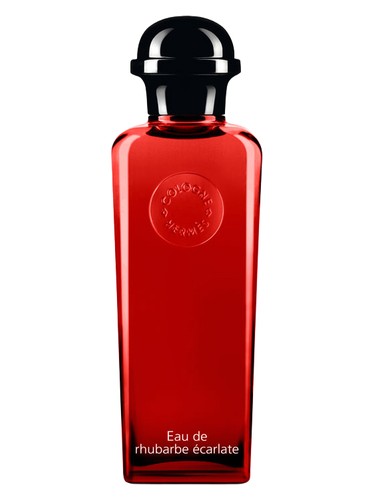
The first spray of Eau de Rhubarbe Écarlate delivers an unexpected jolt of scarlet sharpness—not the expected sweetness of berries, but the unmistakable tang of fresh rhubarb, still cool from the garden. It''s a scent that captures that precise moment when you snap a crimson stalk between your fingers, releasing its green, vegetal juice mixed with an acidic brightness that makes your mouth water in anticipation. Hermès has done something remarkable here: they''ve made you crave a vegetable.
This is Christine Nagel''s love letter to the jardin—the garden that runs through so many Hermès fragrances like a green thread. But where other garden scents might play it safe with florals and citrus, Eau de Rhubarbe Écarlate stakes its claim on something far more daring. It''s fresh without being clean, fruity without being candied, and utterly confident in its peculiarity.
The Scent Profile
Rhubarb dominates the opening with unapologetic intensity. Not rhubarb pie, not rhubarb compote—raw rhubarb in all its mouth-puckering glory. There''s a brightness here that borders on sour, a green sharpness that feels almost effervescent against the skin. The note reads as both fruit and vegetable, occupying that curious culinary space where sweet and savory blur together. This is the fragrance at its most distinctive, that first fifteen minutes where it announces itself boldly and without compromise.
As the rhubarb settles, red berries emerge in the heart alongside lantana, a less common floral note that brings a subtle aromatic quality to the composition. The berries soften rhubarb''s aggressive edge without taming it completely—think of strawberries macerated with just enough sugar to coax out their juices but not enough to turn them into jam. The lantana adds an herbal whisper, a faint green rustling that keeps the fruit from turning too straightforward. This middle phase maintains the freshness while introducing a gentler sweetness, like sunlight warming fruit that''s been sitting in morning dew.
The base rests on white musk, providing a clean, soft foundation that allows the fruity-green character to remain the star. This isn''t a musky fragrance in the traditional sense—the musk never announces itself or creates that skin-like intimacy you find in oriental compositions. Instead, it acts as a sheer veil, extending the wear time while keeping the overall impression light and airy. The fragrance maintains its fruity character throughout, never developing into something heavy or complex. What you smell in the first hour is largely what you''ll experience until it fades, and that consistency feels intentional—a deliberate choice to capture a single, perfect moment rather than tell an elaborate story.
Character & Occasion
This is summer distilled into liquid form. The data tells the story clearly: summer scores 100%, spring follows at 81%, and then the numbers drop precipitously for fall and winter wear. Eau de Rhubarbe Écarlate is a warm-weather specialist, thriving in heat and sunshine where its fresh tartness feels most welcome. It''s the fragrance equivalent of a linen dress or a cold glass of something tart and refreshing—fundamentally incompatible with scarves and sweaters.
The day versus night divide is equally pronounced, with 95% day wear preference. This isn''t a fragrance for dim lighting and dinner reservations. It belongs to morning markets, garden parties, outdoor lunches, and afternoon walks. There''s an innocence to it, a brightness that feels almost conspicuous after dark.
The feminine classification fits, though not because of any overtly floral or sweet characteristics. Rather, it''s the playfulness, the willingness to be light and uncomplicated, that reads as traditionally feminine. That said, anyone who appreciates fresh, green, fruity scents could wear this confidently—gender matters far less than attitude.
Community Verdict
With a rating of 4.18 out of 5 from 3,773 voters, Eau de Rhubarbe Écarlate has found its audience and impressed them consistently. This isn''t a polarizing fragrance that inspires equal parts devotion and disgust—the solid rating suggests broad appreciation, even if it doesn''t quite reach the stratospheric heights of true cult classics. Nearly four thousand reviews indicate genuine interest beyond launch-day hype, and that sustained attention speaks to real wearability rather than mere novelty.
The rating suggests a fragrance that delivers on its promise without transcending its category. People who try it generally like it, appreciate it, recommend it—but perhaps don''t obsess over it. That''s not a criticism; not every fragrance needs to be life-changing. Sometimes being very good at what it does is exactly enough.
How It Compares
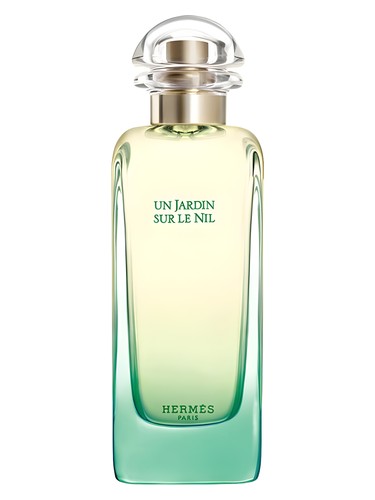
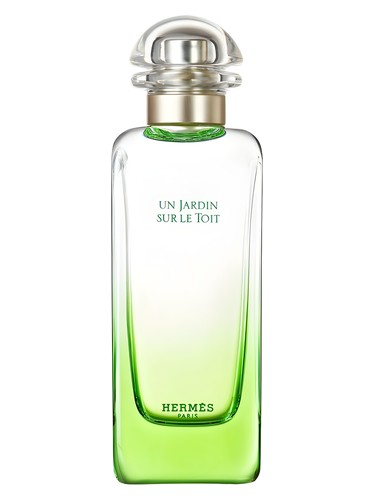
Eau de Rhubarbe Écarlate sits comfortably within Hermès'' garden collection, sharing DNA with Un Jardin Sur Le Toit and Un Jardin Sur Le Nil—both fellow travelers in the fresh, green, outdoor-inspired category. Where it distinguishes itself is in that rhubarb note, which provides a tartness and specificity that sets it apart from more generically "fresh" compositions.
The inclusion of Philosykos Eau de Parfum by Diptyque in its similar fragrances makes sense—both capture specific botanical experiences with clarity and confidence. More curious are the mentions of Angel and Hypnotic Poison, heavyweight orientals that seem worlds apart. Perhaps the connection lies in the berry notes, or perhaps some wearers use this as a summer alternative to their heavier favorites.
The Bottom Line
Eau de Rhubarbe Écarlate succeeds brilliantly at being exactly what it sets out to be: a fresh, tart, summer fragrance built around an unusual note executed with precision. It won''t work for everyone—those seeking complexity, longevity, or cold-weather versatility should look elsewhere. But for anyone wanting a sophisticated warm-weather scent that stands apart from the usual citrus-marine crowd, this delivers.
The Hermès price point puts it in luxury territory, but the quality is undeniable and the uniqueness justifies the investment for those who connect with the scent profile. At 4.18 stars, you''re looking at a safe bet, not a risky exploration. Try it if you love green fragrances, tart fruits, or simply want to smell like the most elegant garden party anyone ever attended. Just save it for summer—this scarlet beauty wilts in the cold.
AI-generated editorial review