First Impressions
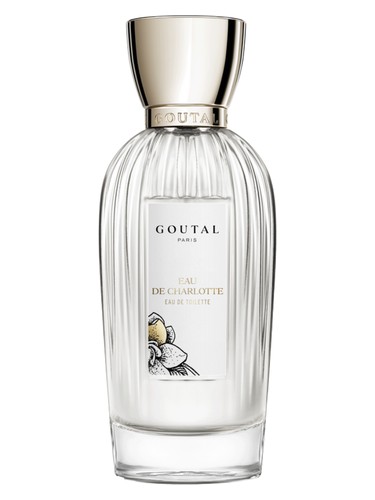
The first spray of Eau De Charlotte delivers an unexpected greeting—not the sugary vanilla assault you might brace for, but rather a luminous lily that seems to float above the skin. There''s an immediate softness here, a powdery refinement that feels distinctly French in its restraint. Within moments, you sense the vanilla lurking beneath, but it''s playing a long game, patient and composed. This is a fragrance from 1982 that understands something modern gourmands often forget: sweetness becomes more compelling when it arrives late to the conversation.
The white floral character dominates from the outset, supported by a subtle yellow floral glow that keeps the composition from veering too cool or stark. What strikes you most is the balance—a word that will echo throughout any honest encounter with this Goutal creation.
The Scent Profile
Eau De Charlotte opens with lily in the starring role, a note that brings both freshness and a gentle, almost soapy cleanliness. It''s not the heady, indolic lily that can overwhelm; instead, it sets a tone of elegance and approachability. This lily doesn''t demand attention—it invites you closer.
As the fragrance settles into its heart, mimosa and lily-of-the-valley emerge to create a complex white-and-yellow floral bouquet. The mimosa contributes that distinctive powdery-honeyed quality that registers at 55% in the powdery accord, while lily-of-the-valley adds a green, almost crystalline freshness. These two notes work in tandem to create depth without darkness, sweetness without syrup. The yellow floral accord sits at 64%, tempering the dominant white floral (100%) with warmth and subtle sunshine.
Then comes the base, where Eau De Charlotte reveals its true character. Vanilla arrives alongside cacao—an unusual pairing that transforms what could have been a straightforward floral vanilla into something more nuanced. The cacao doesn''t read as chocolate; rather, it adds a subtle earthiness and depth that grounds the sweeter elements. At 60% presence in the accord structure, the cacao serves as architectural support, while vanilla (43%) and the broader sweet accord (42%) provide the emotional warmth. This is where the fragrance earns its reputation: vanilla that feels essential rather than excessive, integrated rather than imposed.
Character & Occasion
The data doesn''t lie—Eau De Charlotte scores 100% as a daytime fragrance and only 25% for evening wear. This is quintessentially a daylight scent, one that thrives in natural light and casual confidence. The community votes overwhelmingly for spring wear (83%), which makes perfect sense given the floral-forward composition and that balance between sweetness and freshness.
Fall comes in second at 55%, suggesting the vanilla-cacao base provides enough warmth for cooler weather without feeling heavy. Summer registers at 51%—respectable for a vanilla-containing fragrance, indicating the white florals keep it from becoming cloying in heat. Winter, at just 26%, confirms this isn''t meant for cold-weather drama.
This is a fragrance for the woman who wants to smell intentional but not imposing, polished but not performative. It suits professional environments, weekend errands, lunch dates, and any scenario where you want to project quiet sophistication. It''s decidedly feminine in character without feeling costume-y or overly precious.
Community Verdict
With a 7.5/10 sentiment score from 24 community opinions, Eau De Charlotte garners genuine appreciation rather than passionate devotion. The consensus centers on one key strength: this is vanilla done right for people who want vanilla but fear being overwhelmed by it.
The most frequently cited advantage is that subtle vanilla approach—supporting notes that complement rather than compete, creating what enthusiasts describe as an elegant and refined composition. The French heritage and quality craftsmanship receive consistent praise, suggesting the execution matches the concept.
But honesty matters: for those seeking minimal vanilla presence, this fragrance still leans too sweet. The community warns that extreme vanilla-avoiders may still find it triggering (including potential headaches for the particularly sensitive). Some reviewers note it''s more straightforward than complex, suggesting that while the balance is admirable, the journey isn''t particularly adventurous.
The sweet spot? Vanilla lovers seeking balanced composition, those transitioning to appreciate vanilla fragrances, and anyone wanting everyday elegant wear. With an overall rating of 3.93/5 from 887 votes, Eau De Charlotte sits comfortably in "very good" territory without quite reaching "masterpiece" status.
How It Compares
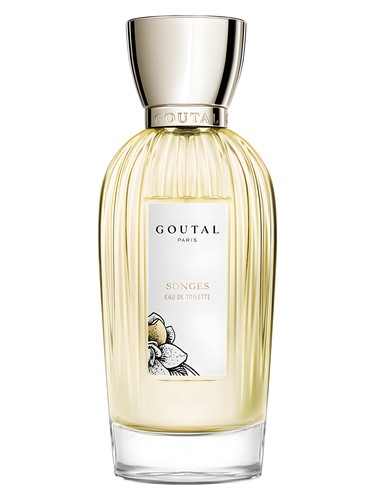
Goutal places Eau De Charlotte in distinguished company. Its similarities to the brand''s own Songes suggest a house style—floral sophistication with gourmand underpinnings. The comparisons to Guerlain''s L''Heure Bleue Eau de Parfum and L''Instant speak to a shared French sensibility: powdery, romantic, measured.
The Coco Eau de Parfum by Chanel connection suggests a kindred approach to balancing florals with warmth, while Datura Noir by Serge Lutens hints at that unusual white floral-with-depth territory. Eau De Charlotte sits firmly in the classic French fragrance lineage—less adventurous than niche provocateurs, more refined than mainstream crowd-pleasers.
The Bottom Line
Eau De Charlotte succeeds precisely because it knows what it is: a well-executed floral vanilla for daytime wear that refuses to apologize for its sweetness while keeping it in check. At over forty years old, it still feels relevant—perhaps because restraint never truly goes out of style.
The 3.93/5 rating reflects a fragrance that does what it promises exceptionally well, even if what it promises isn''t revolutionary. For those building a wardrobe of reliable, appropriate, genuinely pleasant fragrances, this deserves consideration. Sample it if you''ve sworn off vanilla and want to test your boundaries. Buy it if you love vanilla but tire of smelling like a bakery.
This is a fragrance that whispers where others shout, and sometimes that''s exactly what the moment requires.
AI-generated editorial review