First Impressions
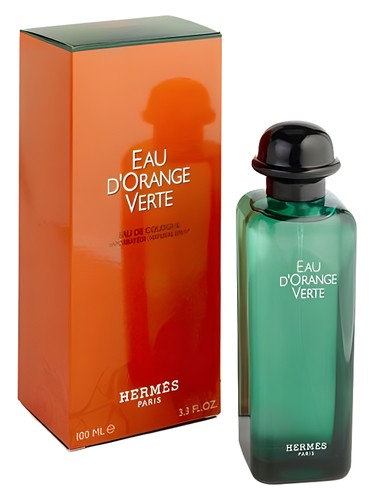
The first spray of Eau D''Orange Verte feels like breaking open a piece of fruit that doesn''t quite exist in nature—something between bitter orange peel and green stems, sharp enough to make you blink but never aggressive. There''s an honesty to this fragrance that''s rare in perfumery, a refusal to seduce with sweetness or warmth. Instead, it presents itself as a study in contrasts: the word "orange" promises sunshine and juice, but the "verte" delivers on its green promise with an almost herbal severity. This is Hermès in 1979, establishing what would become a house signature—restrained luxury that whispers rather than shouts.
The opening is dominated by that citrus accord, which registers at 100% in the fragrance''s DNA. But this isn''t the candied orange of gourmand fragrances or the zesty brightness of cleaning products. It''s botanical, almost scientific in its precision, as though someone captured the moment just before ripeness.
The Scent Profile
Without detailed note breakdowns, Eau D''Orange Verte reveals itself through its accord structure—and that structure is surprisingly complex for what initially reads as a simple citrus eau. The citrus backbone is unwavering, but it''s the supporting players that create depth. A white floral accord at 33% weaves through the composition, adding a subtle creaminess that prevents the fragrance from becoming too austere. You won''t necessarily identify these florals as jasmine or orange blossom, but you''ll feel their presence as a softening agent, a counterpoint to the sharper green elements.
The aromatic aspect (17%) likely comes from herbs or leaves—perhaps mint, perhaps verbena—that give the fragrance its distinctive "verte" character. This is where the composition moves beyond simple citrus cologne territory into something more contemplative. There''s a fresh spicy quality (14%) that adds a peppery bite, keeping the whole affair from veering into pure botanical garden territory. A measured sweetness (11%) rounds out the edges without compromising the fragrance''s essential dryness, while a whisper of soapiness (6%) provides that clean, just-bathed quality that makes this so wearable.
The evolution is subtle rather than dramatic. This isn''t a fragrance with a shocking drydown or a base that bears no resemblance to its opening. Instead, it maintains its character from first spray to final fadeaway, with the various accords simply shifting emphasis rather than replacing one another. The white florals grow slightly more prominent as the sharper citrus edges soften, but the green, slightly austere character remains constant.
Character & Occasion
The community data tells a clear story: this is summer in a bottle, with 96% of wearers reaching for it in warm weather. That spring to summer sweet spot (56% favor spring as well) is where Eau D''Orange Verte truly shines—those transitional moments when you want something refreshing but substantive, cooling but not superficial. The fall and winter numbers (18% and 8% respectively) confirm what your instincts likely tell you: this is not a fragrance for cold weather contemplation.
The day versus night split is even more pronounced: 100% day wear, with only 13% finding it appropriate for evening. This isn''t a criticism—it''s a clear identity. Eau D''Orange Verte knows exactly what it is: a daytime companion for when you need to feel composed, clean, and effortlessly elegant. It''s the fragrance equivalent of a perfectly pressed linen shirt or a leather portfolio that''s aged beautifully.
Despite being categorized as feminine, this fragrance transcends traditional gender boundaries. The sharp, green character and restrained sweetness make it equally compelling on any wearer who appreciates citrus done with sophistication rather than flash.
Community Verdict
With a solid 4.1 out of 5 stars from 894 votes, Eau D''Orange Verte has earned its status as a reliable classic. That rating reflects what might be called the "consistency factor"—this is a fragrance that delivers exactly what it promises, year after year, wearing after wearing. It''s not chasing a perfect 5-star rating with groundbreaking innovation or addictive qualities; instead, it''s earned its 4.1 through dependability and a clear point of view.
The substantial vote count (894) indicates a fragrance with staying power beyond trend cycles. People keep coming back to this one, keep discovering it, keep recommending it. That''s the mark of a true classic rather than a cult favorite or limited-edition sensation.
How It Compares
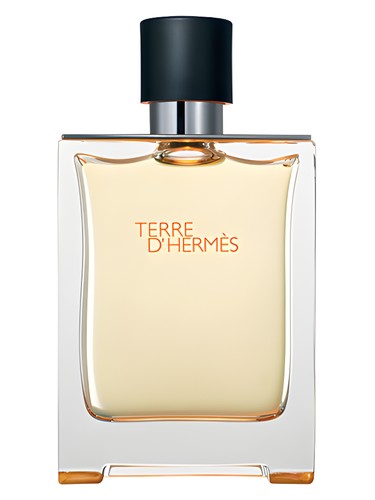
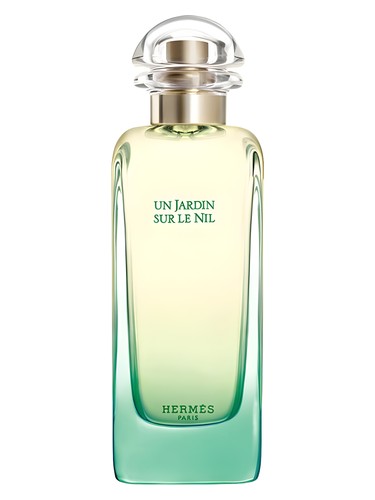
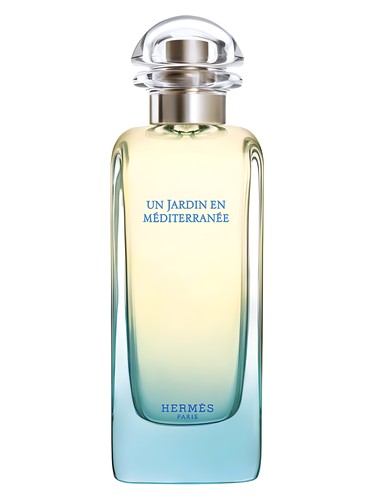
The similar fragrances list reads like a masterclass in refined masculines and unisex classics: Concentré d''Orange Verte (its own more intense sibling), Habit Rouge by Guerlain, Eau Sauvage by Dior, Terre d''Hermès, and Un Jardin en Méditerranée. This places Eau D''Orange Verte firmly in the canon of intelligent, grown-up fragrances that prioritize character over mass appeal.
Where Eau Sauvage leans more overtly masculine with its aromatic hedione structure, and Terre d''Hermès brings earthy weight to its citrus opening, Eau D''Orange Verte occupies a space that''s simultaneously lighter and greener. It''s the most explicitly "verte" of the group, the most committed to that botanical, stem-snapping freshness.
The Bottom Line
Eau D''Orange Verte isn''t trying to be your signature scent or your special occasion showstopper. It''s something arguably more valuable: a perfume that solves the eternal question of "what do I wear when I just want to smell good?" It''s the fragrance you reach for on those mornings when everything else feels like too much—too sweet, too heavy, too obvious.
At 4.1 stars, it''s honest about its limitations. This won''t last twelve hours or project across a room. But for daytime wear from spring through summer, for those moments when you want to feel polished without trying, it''s nearly perfect. Anyone who appreciates citrus beyond basic cologne, who wants to understand what Hermès does differently, or who''s built a wardrobe of fragrances rather than searching for "the one" should experience this at least once. Forty-five years after its launch, it still feels relevant—perhaps because it never chased trends in the first place.
AI-generated editorial review