First Impressions
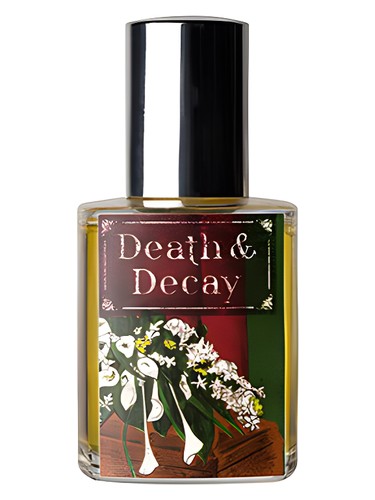
Let''s address the elephant in the room: Death and Decay is perhaps the most aggressively off-putting name ever bestowed upon what turns out to be a decidedly feminine white floral fragrance. It''s the olfactory equivalent of a beautifully frosted cake with a warning label, or finding ballet slippers in a coffin. This is Lush doing what Lush does best—provocative branding that either intrigues or repels before you''ve even experienced the scent itself.
The first spray reveals none of the darkness its name threatens. Instead, you''re greeted with an enveloping cloud of white florals that registers at full intensity on the accord scale. This is no shrinking violet hiding behind gothic pretensions. The opening is bold, unapologetically floral, and surprisingly soft—a powdery embrace that immediately contextualizes this 2014 release within Lush''s tendency to juxtapose the edgy with the ethereal.
The Scent Profile
While specific note breakdowns weren''t disclosed for Death and Decay, the accord profile tells a vivid story of its composition and evolution. The fragrance is dominated entirely by white florals—registering at 100% intensity—suggesting a generous heart of likely jasmine, tuberose, or orange blossom, perhaps all three in concert. This isn''t a delicate watercolor of petals; it''s a full-bodied oil painting.
What prevents this from becoming a one-dimensional floral assault is the substantial powdery accord at 48%, which softens and diffuses the white floral intensity like light through gauze. This powder adds a vintage quality, a throwback sensibility that places Death and Decay in conversation with classic feminines rather than contemporary minimalism.
The soft spicy element at 35% introduces complexity and warmth, likely manifesting as subtle pepper or cardamom nuances that keep the florals from veering too sweet or soapy. More intriguing is the 20% animalic accord—unexpected in a white floral and possibly the source of the fragrance''s dramatic name. This suggests an indolic quality, that slightly dirty, skin-like depth that certain white florals (particularly jasmine and tuberose) can possess. It''s the memento mori in the bouquet, the reminder that flowers bloom and decay, that beauty is ephemeral.
Warm spices at 18% and a whisper of green at 10% round out the profile, the former adding depth to the base while the latter provides just enough fresh contrast to keep the composition from feeling overly heavy or dated.
Character & Occasion
Despite its funereal nomenclature, Death and Decay shines brightest as a transitional season fragrance. The community data positions it as perfect for fall (100%) and spring (83%)—those liminal times when the air shifts and we crave fragrances with both warmth and lightness. Its performance in winter scores respectably at 64%, while summer lags at just 36%, which makes sense given the powdery, enveloping nature of the composition.
Interestingly, this fragrance rates higher for evening wear (88%) than daytime (79%), though both scores are strong. The white floral intensity and animalic undercurrent give it enough presence for dinner dates and evening occasions, while the powdery softness keeps it appropriate for autumn afternoons and spring workdays.
This is decidedly feminine in approach, created for someone who appreciates classic floral structures but wants something with an edge—even if that edge is more conceptual than olfactory. It''s for the person who owns the contradiction, who can appreciate why something lovely might bear an ugly name.
Community Verdict
With a rating of 3.87 out of 5 from 709 votes, Death and Decay sits comfortably in "very good" territory without reaching masterpiece status. This is a substantial voting pool, suggesting the fragrance has found its audience and maintained relevance nearly a decade after its release. The rating indicates a polarizing quality—as one might expect from both the name and the assertive white floral character. Those who connect with it seem to genuinely appreciate its particular balance of classic and quirky, while others likely find it either too conventional or too strange to fully embrace.
How It Compares
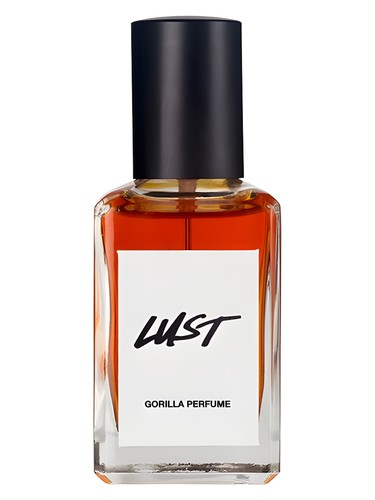
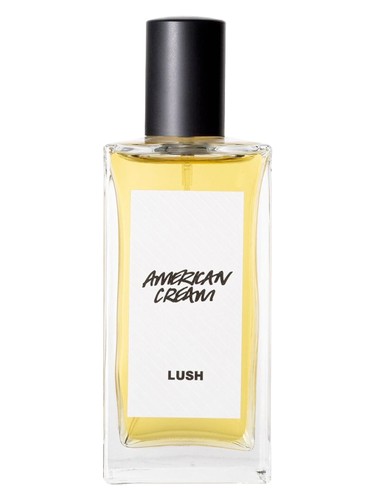
The comparison fragrances paint an interesting picture of Death and Decay''s position in the market. Pure Poison by Dior and Alien by Mugler are both powerhouse white florals with distinctive personalities, placing this Lush offering in elevated company. The comparisons to fellow Lush fragrances—Lust and Sikkim Girls—suggest a house style of bold, unapologetic florals. LouLou by Cacharel as a reference point reinforces the vintage-leaning, powdery aspect of the composition.
What distinguishes Death and Decay is its accessibility at the Lush price point combined with that unmistakable animalic edge. It''s less alien than Alien, less poisonous than Pure Poison, but shares their willingness to push white florals beyond safe territory.
The Bottom Line
Death and Decay is a fragrance that deserves to be experienced despite—or perhaps because of—its off-putting name. The 3.87 rating from over 700 voters suggests this is a solidly crafted white floral with enough personality to maintain a devoted following. It won''t revolutionize your fragrance wardrobe, but it offers excellent value for those seeking a wearable yet distinctive floral with vintage sensibilities and just enough animalic intrigue to justify its dramatic moniker.
If you appreciate white florals with depth, if you''re drawn to powdery compositions with a pulse, or if you simply want to own a beautifully contradictory fragrance, look past the name. What lies beneath is very much alive.
AI-generated editorial review