First Impressions
The first spray of De Profundis feels like stepping into a walled garden at twilight, where damp earth meets crushed violet leaves and the air hangs heavy with green, chlorophyll-rich intensity. This is not the cheerful green of spring grass or the citrus-bright burst of common top notes. Instead, Serge Lutens'' 2011 creation opens with something darker, more introspective — a green that whispers rather than shouts, herbal rather than fresh, with an unmistakable powdery violet signature that immediately sets it apart from conventional feminine fragrances.
The name itself, Latin for "from the depths," hints at the fragrance''s contemplative nature. There''s a funereal quality here, though not in any morbid sense. Rather, it evokes the flowers brought to remembrance, the scent of mourning wreaths, the particular beauty found in melancholy. Within moments of application, you understand why this fragrance has earned its cult status and why its discontinuation feels like a genuine loss to the perfume world.
The Scent Profile
What makes De Profundis fascinating is its refusal to follow traditional perfume architecture. Without specified top, heart, or base notes in the official composition, the fragrance instead presents itself as a unified botanical meditation that shifts subtly across its wear time.
The dominant green accord (registering at 100% intensity) provides the foundational structure — imagine torn leaves, sap-sticky stems, and the bitter-fresh smell of flower shops. This isn''t decorative floristry but something more primal and alive. The herbal component (85%) adds medicinal, almost aromatic depth, suggesting crushed sage, dried roots, or apothecary preparations.
Where De Profundis truly distinguishes itself is in the violet accord (78%), which permeates every stage of the fragrance''s evolution. This isn''t the candied sweetness of violet syrup or the lipstick-powder of older violet perfumes. Instead, it captures both the flower and its leaves — that peculiar metallic-green quality natural violet possesses, combined with its characteristic soft, dusky sweetness.
The earthy elements (71%) ground the composition, adding loamy depth that prevents the greenery from feeling sharp or astringent. As the fragrance settles, woody notes (60%) emerge to provide structure, while a powdery quality (55%) softens the edges without ever tipping into vintage stuffiness. The result is a scent that feels simultaneously fresh and aged, botanical and refined, natural yet clearly composed.
Character & Occasion
De Profundis shows a strong seasonal preference for fall (100%) and spring (87%) — those transitional seasons when nature itself seems most contemplative. The green-earthy character feels perfectly matched to autumn''s decay and spring''s emergence, those moments when growth and decomposition coexist. Winter (50%) provides a suitable backdrop for its introspective quality, though summer (37%) proves less hospitable to its dense, herbaceous presence.
The fragrance skews heavily toward day wear (92%), which makes sense given its botanical authenticity. This is a scent for garden visits, museum walks, creative work sessions, or quiet brunches. Yet it maintains respectable evening potential (57%), particularly for cultural events or intimate dinners where you want presence without conventional glamour.
Despite its feminine classification, De Profundis transcends simple gender categories. Its green-herbal backbone and earthy depth make it approachable for anyone drawn to unconventional, nature-inspired compositions. This is fragrance as artistic statement rather than seduction tool — perfect for those who view scent as personal expression rather than social signaling.
Community Verdict
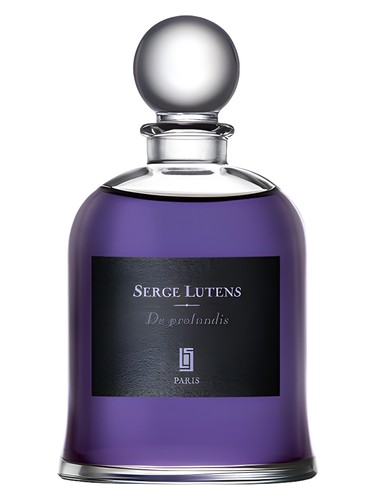
The r/fragrance community holds De Profundis in remarkably high regard, with sentiment scoring 8.2 out of 10 based on 39 opinions. The praise is nearly universal among those fortunate enough to own it, with collectors describing it as a "top-tier scent" and highlighting its unique, distinctive character that makes a strong impression. The beautiful bottle design, particularly its purple-tinted juice, earns frequent admiration, and wearers consistently report excellent longevity and sillage.
However, the community discussion inevitably turns to availability. The primary complaint isn''t about the fragrance itself but the practical impossibility of acquiring it. As a discontinued scent, De Profundis commands inflated secondary market prices, with collectors warning about counterfeit bottles circulating online. Some report limited availability at Serge Lutens'' Paris boutiques, but for most enthusiasts, this fragrance exists as a "what if" — something admired from afar rather than actually worn.
The community also acknowledges that De Profundis isn''t universally appealing. Its unconventional character can prove polarizing, and several commenters note it''s "not for everyone" or "challenging." This honest assessment actually enhances its reputation among serious collectors who appreciate fragrances that take risks.
How It Compares
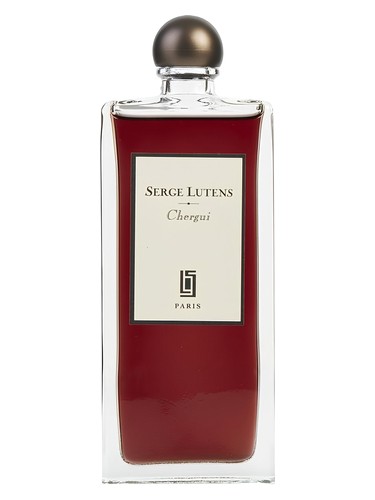
De Profundis occupies distinctive territory even among Serge Lutens'' acclaimed catalog. It shares DNA with the brand''s Chergui and Fille en Aiguilles, both of which emphasize natural, almost austere beauty over conventional prettiness. The comparison to Tauer''s L''Air du Desert Marocain suggests shared earthy-spicy depth, while the reference to L''Heure Bleue by Guerlain hints at the violet-powdery connection. The mention of Tom Ford''s Black Orchid seems less about direct similarity and more about occupying similar "challenging but rewarding" territory in the fragrance landscape.
What sets De Profundis apart is its specifically botanical focus — this is green-violet done with artistic conviction rather than commercial appeal, making it a reference point for the entire category.
The Bottom Line
With a rating of 4.29 out of 5 from 1,733 votes, De Profundis stands as one of Serge Lutens'' most beloved creations. That this acclaim persists years after its discontinuation speaks volumes about its quality and distinctiveness.
The tragic reality is that for most readers, this review serves as documentation of something lost rather than a shopping recommendation. If you encounter De Profundis at a reasonable price from a verified source, it represents a genuine treasure for collectors of green fragrances, violet compositions, or unconventional feminines. However, exercise extreme caution with secondary market purchases given the counterfeit concerns.
For those seeking similar experiences without the treasure hunt, explore the suggested alternatives — particularly Fille en Aiguilles for Lutens'' approach to green notes or L''Air du Desert Marocain for earthy depth. But understand that De Profundis occupies its own melancholic corner of the fragrance world, a ghost in the garden that haunts those who knew it and mystifies those who never will.
AI-generated editorial review