First Impressions
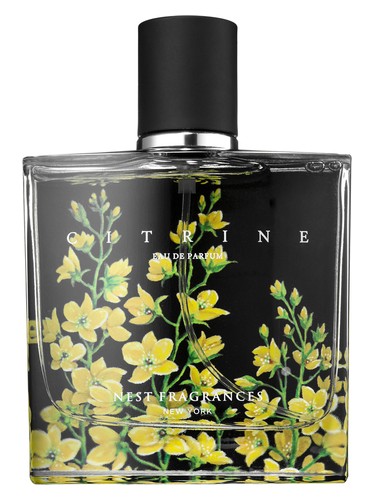
The first spray of Nest''s Citrine is like stepping into a sunlit conservatory where the morning dew still clings to petals. This is brightness incarnate—not the sharp, zesty brightness of citrus fruits, but the softer, more nuanced glow of lemon blossoms caught in early light. There''s an immediate aquatic shimmer here, a quality that feels less like standing beside the ocean and more like observing droplets suspended on flower stems. It''s a fragrance that announces itself quietly but persistently, establishing its character as unapologetically fresh and resolutely optimistic.
The Scent Profile
Citrine opens with lemon blossom as its singular top note, and this restraint proves surprisingly effective. Rather than the aggressive citrus punch you might expect, the lemon blossom brings a delicate, almost creamy floralcy—the white petals rather than the fruit itself. It''s bright without being sharp, clean without veering into detergent territory.
The heart is where Citrine truly reveals its intentions. Freesia takes center stage, bringing that characteristic pepper-soap-flower complexity that makes it such a beloved ingredient in contemporary perfumery. Alongside it, lotus adds a subtle aquatic elegance, while the "dew drop" note (likely a synthetic accord) contributes that fresh, crystalline quality that makes the entire composition feel like it''s perpetually glistening. This combination creates the dominant white floral character—which registers at 55% in the fragrance''s accord profile—while maintaining the aquatic transparency that keeps it from feeling heavy or cloying.
The base notes are simply listed as "woodsy notes," and this vagueness is telling. The woods here aren''t meant to steal the show; they provide just enough structure to prevent the composition from evaporating entirely into ethereal nothingness. Think of them as the stems that hold those dewy flowers upright—present, necessary, but never the focus of attention.
Character & Occasion
Citrine knows exactly what it wants to be: a daytime spring and summer fragrance, and the data confirms this self-awareness with remarkable clarity. Spring scores a perfect 100% seasonality rating, with summer close behind at 89%. Meanwhile, fall and winter barely register at 8% and 5% respectively. This isn''t a fragrance with delusions of year-round versatility—it''s a specialist that excels within its chosen domain.
The day/night breakdown tells an even clearer story: 96% day wear versus a mere 11% for evening occasions. This is a fragrance for brunch meetings, garden parties, office environments, and weekend errands. It''s the olfactory equivalent of a crisp white blouse or a sundress—polished, appropriate, and effortlessly fresh.
The combination of floral (100%), white floral (55%), aquatic (55%), and ozonic (16%) accords creates something distinctly feminine and modern. This is squarely aimed at those who appreciate clean, contemporary florals rather than vintage opulence or oriental richness. It''s for the woman who wants to smell put-together without broadcasting her presence across a room.
Community Verdict
Here''s where things get murky. The numerical data shows a respectable 3.78 out of 5 rating from 577 voters—a solid, if unspectacular, showing that suggests general approval without passionate devotion. However, the available community commentary doesn''t provide specific feedback about Citrine itself.
The neutral sentiment score suggests that while Citrine doesn''t inspire widespread criticism, it also doesn''t generate the kind of enthusiastic advocacy that builds cult followings. This pattern is typical for well-executed but ultimately safe fragrances—they perform their function admirably without pushing boundaries or challenging expectations. The absence of strong opinions cuts both ways: fewer detractors, but also fewer champions.
How It Compares
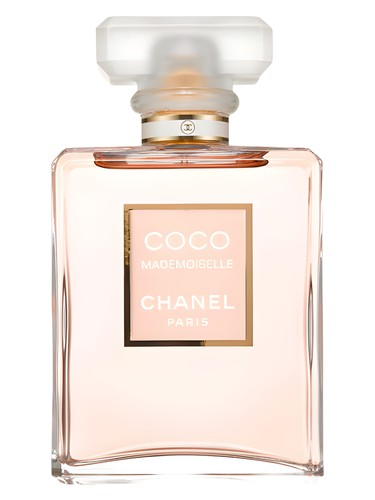
Citrine''s list of similar fragrances reads like a who''s who of modern feminine florals: Versace''s Bright Crystal, Chanel''s Chance Eau Tendre, Chloé Eau de Parfum, Viktor & Rolf''s Flowerbomb, and Nest''s own Wisteria Blue. This company reveals both opportunity and challenge.
On one hand, Citrine occupies space in a proven, popular category—fresh, accessible florals that appeal to a broad audience. On the other, it faces stiff competition from designer heavyweights with larger marketing budgets and stronger brand recognition. Where Citrine distinguishes itself is in its particular balance of aquatic freshness and white floral delicacy. It''s less sweet than Bright Crystal, less powdery than Chloé, and more transparently aquatic than Flowerbomb''s floral intensity.
The Bottom Line
Citrine is a fragrance that delivers exactly what its name, notes, and marketing promise: a bright, clean, wearable floral for warm weather. With a 3.78 rating, it sits comfortably in "good" territory—appreciated by most, loved by some, but unlikely to convert those who generally avoid fresh florals.
This is a strength and limitation rolled into one. Citrine won''t disappoint anyone looking for an easy-to-wear spring and summer scent, but it also won''t surprise or challenge. It''s the reliable choice, the safe blind buy, the fragrance you wear when you want to smell nice without making a statement.
For those building a fragrance wardrobe, Citrine fills the "fresh daytime floral" slot competently and at a more accessible price point than many designer alternatives. It''s particularly well-suited for professional environments, warm-weather travel, or anyone who finds heavier florals overwhelming. However, fragrance collectors seeking uniqueness or complexity might find it pleasant but ultimately forgettable.
Should you try it? Absolutely, if you''re in the market for precisely this style of fragrance. Should you expect it to become your signature scent? That depends entirely on whether you value versatility and complexity, or appreciate a fragrance that knows its lane and stays in it beautifully.
AI-generated editorial review