First Impressions
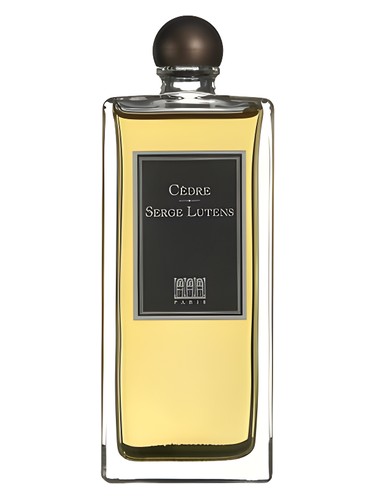
The first spray of Cedre whispers a paradox against your skin. Despite its name invoking the austere strength of cedar wood, what arrives is something far more sultry—a rush of warm spice that immediately announces its presence with confidence. This is not the cool, pencil-shaving cedar you might expect. Instead, Serge Lutens has crafted something that feels like discovering a hothouse filled with exotic white flowers hidden deep within a Lebanese forest. The opening is assertively spicy, bordering on intense, with cinnamon-laced warmth that makes you lean in closer even as it commands the room.
What strikes you immediately is the unexpected femininity of it all. The tuberose—rich, creamy, almost narcotic—rises alongside that spice in a way that feels both vintage and utterly modern. There''s a golden quality to the opening, as if the fragrance itself has been aged in amber, developing a patina that speaks to complexity rather than simple beauty.
The Scent Profile
Without a traditional pyramid to guide us, Cedre reveals itself as a study in dominant accords rather than a linear progression. The warm spicy character—registering at full intensity—forms the backbone of the entire composition. This isn''t the shy warmth of soft musks or vanilla; it''s the assertive heat of cinnamon and related spices that create an almost incense-like quality throughout the wear.
The tuberose, at 95% intensity, works in fascinating tension with this spice. Where tuberose typically leans cool and waxy, here it''s been coaxed into something warmer, almost buttery. It''s the kind of tuberose that recalls vintage perfumery—think 1980s opulence rather than contemporary minimalism. This white floral element, reinforced by the 76% white floral accord, creates a lush, indolic presence that some will find intoxicating and others may find challenging.
The woody accord—at 75%—finally brings the cedar promised by the name, but it arrives wrapped in so much warmth and floral richness that it reads more as textural support than lead player. It''s the frame rather than the portrait, providing structure without dominating. The amber at 65% adds a resinous sweetness that binds everything together, creating that golden-lit quality that persists from opening to drydown.
The cinnamon, specifically called out at 55%, deserves special mention. It''s not the red-hot candy cinnamon of gourmands, but rather the dusty, complex spice you''d find in a Moroccan souk—earthy, warm, and slightly medicinal in the most appealing way.
Character & Occasion
Cedre is unequivocally a cold-weather fragrance. With 100% suitability for fall and 85% for winter, this is a scent that needs brisk air to truly shine. In summer heat, that spice and tuberose combination could become overwhelming, even oppressive. But when autumn leaves begin to fall and you''re reaching for cashmere and wool, Cedre comes into its own.
The data suggests it''s primarily a daytime scent—81% day versus 64% night—which might surprise given its intensity. Yet there''s something about its warm, enveloping quality that works beautifully for daytime wear in cold weather: think museum visits, long lunches, afternoon walks through city streets as the light turns golden. That said, the night rating is high enough to confirm it has after-dark appeal, particularly for intimate dinners or cultural events where you want to make an impression.
This is decidedly a feminine fragrance, though the woody-spicy character could certainly appeal to those who prefer their florals with backbone. It''s for someone confident, someone who remembers when perfume was meant to announce rather than whisper. If your fragrance wardrobe leans safe and office-appropriate, Cedre might challenge you—and that might be exactly what you need.
Community Verdict
With a rating of 3.94 out of 5 from 1,877 votes, Cedre sits comfortably in "very good" territory. This isn''t a universally beloved crowd-pleaser, nor is it a polarizing disaster. That rating suggests a fragrance with clear character and quality that won''t appeal to everyone—and that''s precisely its strength. Nearly two thousand people have weighed in, creating a substantial consensus that this is a worthwhile, well-crafted scent that demands attention and rewards those willing to engage with its complexity.
The solid vote count also indicates genuine interest from the community over nearly two decades since its 2005 release. This isn''t a forgotten flanker—it''s a fragrance that continues to find its people.
How It Compares
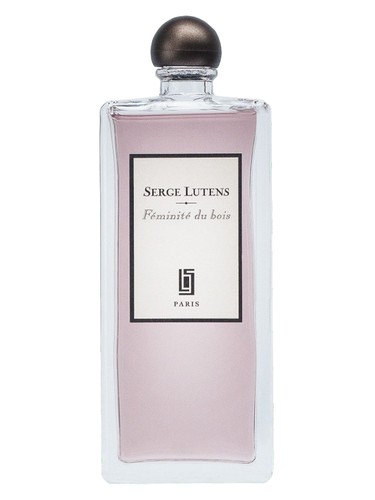
The comparisons to Poison by Dior and Coco Eau de Parfum by Chanel place Cedre firmly in the lineage of bold, assertive women''s fragrances from an era when subtlety wasn''t the goal. Like these icons, Cedre makes no apologies for its intensity. The connection to Lutens'' own Feminité du Bois and Five O''Clock Au Gingembre confirms the house style: woody, spicy, uncompromising. The Dune reference is perhaps the most intriguing, suggesting a shared warmth and texture despite different compositional approaches.
Where Cedre distinguishes itself is in that specific tuberose-cedar-spice trinity. It''s warmer than Dune, spicier than Coco, less overtly provocative than Poison, yet somehow in conversation with all of them.
The Bottom Line
Cedre deserves its near-four-star rating, though it demands the right wearer and the right season. This isn''t a safe purchase for someone building their first fragrance wardrobe, nor is it for those who prefer modern transparency. But if you''re drawn to vintage-inspired compositions, if you want your florals served with complexity and warmth, if you believe cold weather deserves fragrances with substance—then Cedre is absolutely worth exploring.
It''s a fragrance that rewards patience and the right conditions. Sample it first, preferably on a cool day, and give it time. You''ll know within the first hour whether you''re among the people this perfume was made for.
AI-generated editorial review