First Impressions
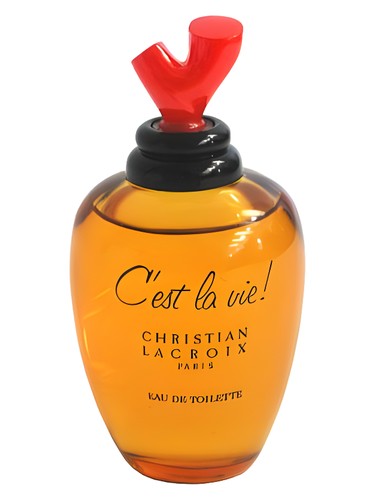
The first spray of C''est La Vie is an unapologetic declaration. This is not a fragrance that tiptoes into a room—it arrives with the theatrical flourish you''d expect from Christian Lacroix, the couturier who built his reputation on exuberant silhouettes and riotous color. Launching in 1990, right at the cusp of a decade that would eventually strip fragrances down to their minimalist bones, C''est La Vie stands as a last hurrah of full-bodied, unrestrained femininity. The opening is an immediate rush of white florals intertwined with a lush fruitiness that reads more like candied nectar than fresh-picked produce. There''s a sweetness here that borders on indulgent, yet the composition maintains enough woody backbone to prevent it from toppling into dessert territory.
The Scent Profile
While specific notes remain unspecified in the formula—a mystery that actually adds to its vintage allure—the accord profile tells a vivid story. At its heart, C''est La Vie is absolutely dominated by floral elements, with white florals taking particular prominence. Imagine tuberose, gardenia, and jasmine rendered in their most opulent register, layered so thickly you can almost feel their waxy petals. This isn''t the sheer, translucent white floral work of modern compositions; this is vintage luxe, where every bloom is dialed up to maximum intensity.
The fruity accord, running at 99% alongside the white florals, creates an interesting duality. Rather than citrus brightness, this fruitiness feels more like peach skin dusted with sugar, or perhaps the syrupy quality of apricot. It melds seamlessly with the florals, creating that classic late-''80s, early-''90s effect where you can''t quite tell where fruit ends and flower begins.
As the fragrance settles, the woody accord (88%) provides crucial structure. This isn''t about discernible sandalwood or cedar—it''s more of a supporting framework that prevents all that floral and fruity opulence from floating away. The powdery element (85%) emerges strongly in the dry-down, creating that vintage makeup compact feel that either transports you nostalgically or dates the fragrance, depending on your perspective. The overall sweetness (82%) persists throughout wear, making this a fragrance for those who embrace rather than shy away from overtly feminine compositions.
Character & Occasion
C''est La Vie reveals its true nature through its seasonal preferences. This is fundamentally a cold-weather fragrance, performing best in fall (84%) and winter (81%). The density of those white florals and the richness of the sweet, fruity elements need cooler temperatures to shine without overwhelming. Spring sees moderate success (54%), while summer (33%) is clearly not this perfume''s natural habitat—the heat would amplify its already generous projection into something potentially cloying.
The day-night split is particularly telling: while it manages a respectable 74% approval for daytime wear, it achieves a perfect 100% for evening occasions. This is your dinner dress fragrance, your theater opening scent, your special occasion armor. There''s a formality to C''est La Vie that makes it feel almost costume-like for casual daytime wear, but utterly perfect when you''re dressed to the nines and the lights are low.
This is a fragrance for someone who appreciates vintage aesthetics and isn''t afraid of presence. If you gravitate toward bold lipstick, statement jewelry, and clothes with structure, C''est La Vie will feel like home. It''s decidedly not for the subtle or the understated.
Community Verdict
With a rating of 4.09 out of 5 based on 473 votes, C''est La Vie has earned genuine respect from those who''ve experienced it. This is a strong showing, particularly for a fragrance that''s over three decades old and swimming against contemporary trends toward transparency and minimalism. The rating suggests that while this won''t be everyone''s style, those who connect with it truly love it. Nearly 500 votes indicate an active, engaged community still seeking out and wearing this scent, which speaks to its lasting appeal despite potential availability challenges.
How It Compares
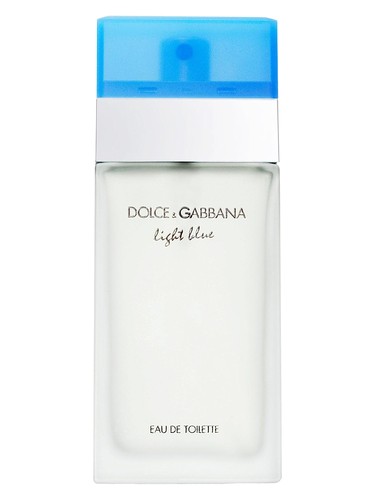
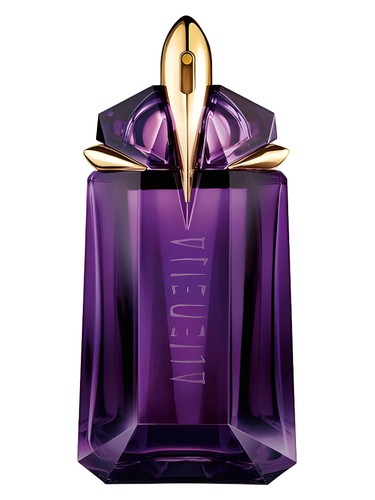
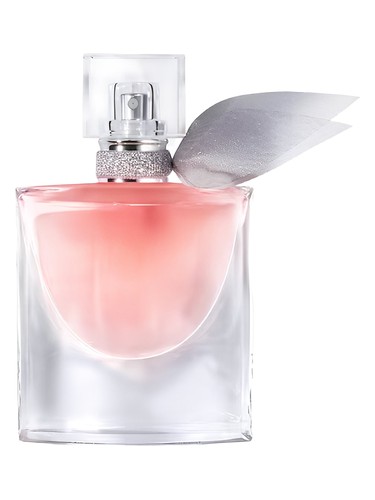
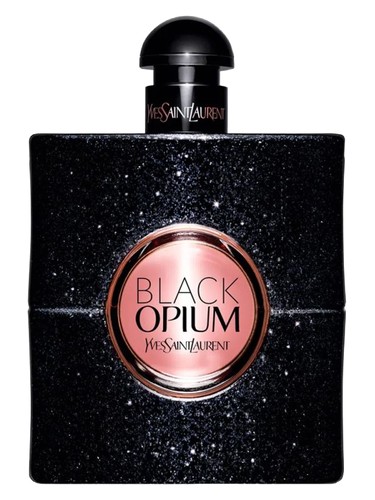
C''est La Vie sits comfortably in a pantheon of powerhouse florals from its era. Its kinship with Amarige by Givenchy and Poison by Dior places it firmly in the "more is more" camp of late-''80s, early-''90s perfumery. The comparison to Trésor and Poeme by Lancôme, along with Ysatis by Givenchy, suggests a shared DNA of fruity florals with hefty projection and classical femininity. Where C''est La Vie distinguishes itself is in that particular Lacroix signature—a couture-level drama that matches the designer''s fashion aesthetic. It''s perhaps slightly less animalic than Poison, not quite as rose-forward as Trésor, but maintains its own identity through that distinctive fruity-white floral balance.
The Bottom Line
C''est La Vie deserves its 4.09 rating. This is quality perfumery from an era that understood how to construct fragrances with genuine presence and longevity. Is it for everyone? Absolutely not. The vintage aesthetic, the unabashed sweetness, and the substantial projection make this a polarizing choice in today''s landscape of skin scents and airy florals.
But for those who mourn the loss of true perfume glamour, who want their fragrance to announce them before they enter a room, C''est La Vie delivers exactly what its name promises: "That''s life"—bold, sweet, unapologetic, and ultimately beautiful in its refusal to conform. If you love any of the comparison fragrances, particularly Amarige or Poison, this is absolutely worth tracking down. Vintage bottle hunting may be required, but for those who appreciate this style of perfumery, the search will be worth it.
AI-generated editorial review